Against a backdrop of ongoing post-pandemic economic adjustment and intensifying competition in global services markets, Antigua and Barbuda has been selected to host a landmark specialized training initiative for the services sector, developed in partnership with the Organisation of Eastern Caribbean States (OECS). Scheduled to run from June 29 to July 2, 2026, the four-day program will take place daily from 9:00 a.m. to 3:30 p.m. at the Customs and Excise Division Conference Room located in Deep Water Harbour, Antigua.
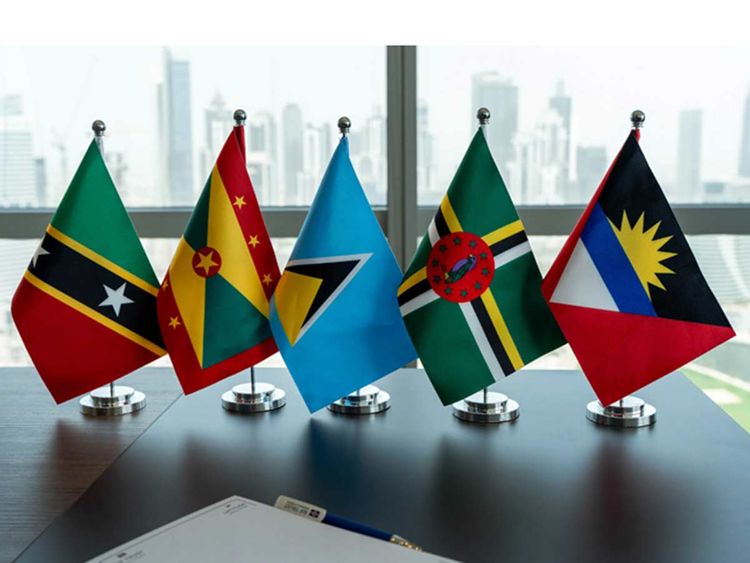
This capacity-building effort forms a core component of a broader regional consultancy project commissioned by the OECS, with the formal mandate of strengthening technical knowledge, improving policy design capabilities, and honing negotiation skills for both public and private sector stakeholders across the bloc’s services industries. The 11-nation OECS bloc, whose participating member states include Antigua and Barbuda, Dominica, Grenada, Montserrat, Saint Kitts and Nevis, Saint Lucia, and Saint Vincent and the Grenadines, developed the initiative to advance the core goals of the Revised Treaty of Basseterre. That landmark agreement established the Eastern Caribbean Economic Union (ECEU), which works to accelerate deep economic integration, harmonize cross-border policy frameworks, and build a unified single economic space across the Eastern Caribbean.
The timing of the program addresses a pressing need for the OECS: in the years following the COVID-19 pandemic, member states have prioritized building economic resilience and boosting competitiveness in global services trade, grappling with both persistent post-pandemic aftershocks and broader global economic headwinds. To that end, the training program is tailored to upskill three key groups that shape services sector performance: trade officials and public sector policymakers, representatives of Business Support Organisations (BSOs), and private sector services industry leaders.
Over the course of the four days, participants will engage in a structured set of learning and collaboration activities. Attendees will contribute to the development of a customized Specialized Services Sector Training Plan aligned with the unique national needs of OECS member states, take part in a hands-on national workshop designed to build practical policy development and trade negotiation skills, and join a stakeholder sensitization seminar covering high-priority topics. Key seminar themes include emerging trends in traditional and non-traditional services sectors, existing obligations related to trade in services (TIS), strategies to address persistent barriers to cross-border services trade, and cutting-edge market intelligence tools to support domestic services sector growth.
To remove barriers to participation for stakeholders across the region, the entire program will be delivered in a hybrid format, allowing both in-person and remote attendance for public and private sector representatives. OECS officials note that the initiative is designed to deliver long-term tangible benefits for the entire bloc: upon completion, member states will be better positioned to leverage the terms of existing trade agreements, update outdated domestic regulatory frameworks for the services sector, and boost their global competitiveness. By strengthening institutional capacity and improving policy coherence across public and private stakeholders, the program ultimately aims to drive sustainable long-term economic growth, boost regional economic resilience, and expand the participation of OECS member states in both regional and international trade networks.
Local stakeholders in Antigua and Barbuda who are interested in participating in the initiative have been directed to contact the country’s Ministry of Trade via phone at 562-1532 or 562-8114 to request further information and secure registration details.