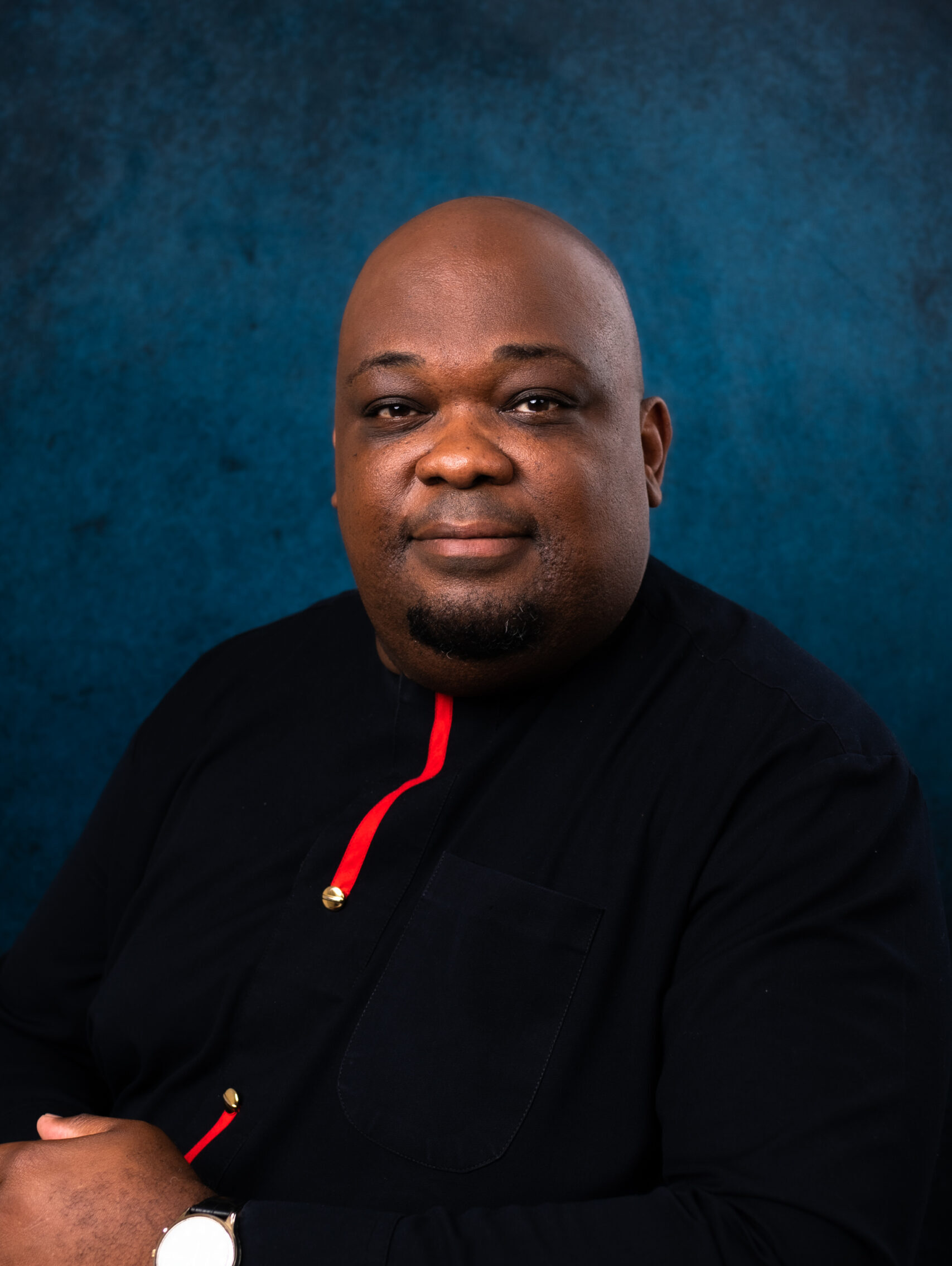
When the 2024 academic year kicks off this September, Barbados will roll out a groundbreaking mandatory community service programme for all secondary school students, designed to address rising youth crime and strengthen core civic values across the island nation. Education Transformation Minister Chad Blackman announced the initiative, dubbed “60 at 60,” during a parliamentary address, framing the programme as a proactive, prevention-focused complement to stricter law enforcement measures targeting gun-related offences.
Under the new rules, all students seeking to complete their secondary education must complete 60 hours of approved community-focused activity before graduation. Participants can choose to work with civic organizations, join uniformed youth groups, or participate in organized team sports to meet the requirement. This marks the first time Barbados has integrated a mandatory civic engagement component into its formal national secondary curriculum.
Speaking to lawmakers, Blackman emphasized that the initiative moves far beyond traditional academic benchmarks. Its core mission is to shape responsible, community-oriented citizens by instilling critical soft skills that formal classroom learning often overlooks: discipline, collaborative teamwork, empathetic communication, and constructive conflict resolution. These skills, he argued, are essential to guiding young people away from delinquent behaviour and addressing the deep-rooted social factors that push youth toward crime.
“Many young people earn strong grades and follow all the rules, but qualifications alone are not enough to build a strong nation,” Blackman told Parliament. “If young people leave school without the right mindset—without empathy, without knowing how to resolve conflict peacefully, without a sense of shared responsibility to their communities—we have failed them.”
The minister noted that criminal behaviour rarely develops overnight. Individuals facing gun-related charges do not turn to crime by random chance; instead, their paths are often shaped by underlying social gaps, including peer pressure, the absence of a stable guiding adult figure in the home, and a lack of positive extracurricular engagement. By placing young people in structured community settings early in their education, the government aims to intervene before at-risk youth turn to harmful activity.
To support the successful launch of the programme, Blackman has issued a renewed public call for volunteer mentors across Barbados. He stressed that the call is open to all community members, not just men—pointing to the decades of critical leadership women have provided through longstanding youth groups like Cub Scouts, Brownies, and Girl Guides. Retired residents and working professionals alike are invited to donate a few hours of their time to support the initiative, which forms a core part of the government’s broader national youth development strategy.
“Our goal is to give young people the tools, values and discipline they need to thrive long after they leave school, and to make our entire nation proud,” Blackman said. “When community members step up to mentor our youth, they help build a stronger, safer Barbados for everyone.”
Addressing ongoing concerns about the creeping culture of illegal gun ownership across the island, Blackman reaffirmed Barbados’ commitment to confronting the crisis head-on. He pushed back against the dangerous normalization of gun violence that has spread on social media, where some young people now brandish illegal firearms as if they are characters in a Hollywood film. There is no room for tolerance or indifference toward this harmful trend, he insisted.
The minister also called on parents, families and community leaders to work together to reframe public perception of gun-related crime: gun charges should never be viewed as a badge of honor among young people, he said, and there is nothing respectable or impressive about appearing in court on firearms offences.