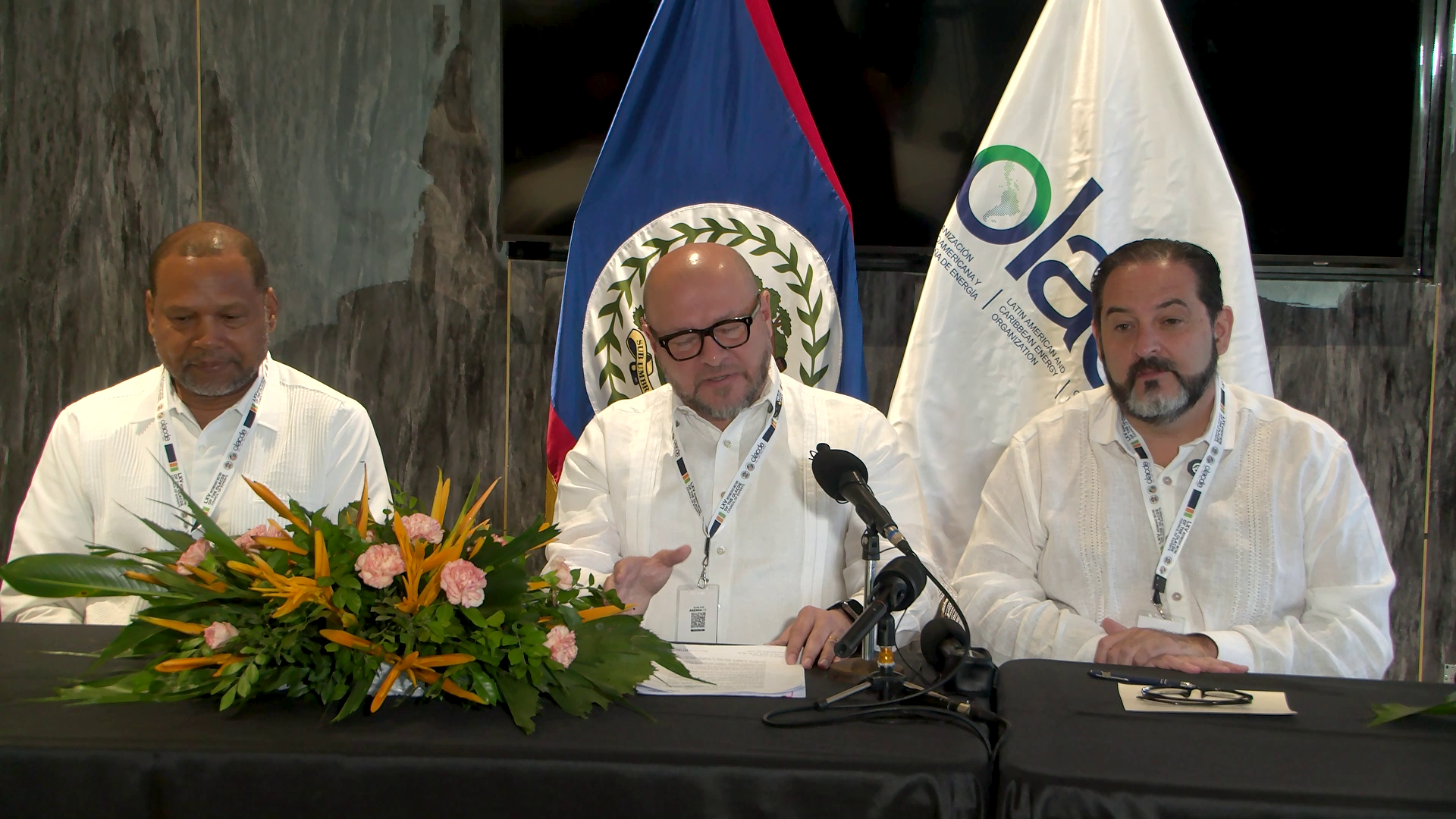
Three years after securing a $77 million development loan from the Saudi Fund for Development, Belize’s ambitious utility-scale solar energy initiative has yet to break ground, prompting a major restructuring of the original project design to enhance long-term energy performance. The funding agreement for the planned 60-megawatt solar facility was first finalized by the Belizean government in August 2023, but as of late May 2026, construction has not commenced, leaving stakeholders waiting for updates on the nation’s renewable energy expansion goals.
In response to public inquiries about the project’s stalled progress, Minister of Public Utilities Michel Chebat recently confirmed that the original plan, which focused exclusively on solar power generation, is being reworked to integrate a large-scale battery energy storage system, creating a hybrid solar-battery facility. The revised design is expected to adjust generation and storage capacities: what was initially proposed as a 60MW solar-only plant will now shift toward a mixed configuration, with adjustments to solar output allocation paired with 40MW and 20MW battery storage capacity to balance grid supply and demand.
Chebat emphasized that despite the restructuring and delays, the $77 million Saudi-backed investment remains a top priority for the Belizean government, framed as a critical foundational investment to strengthen the country’s long-term energy security and scale up its domestic renewable energy generation capacity. The shift to a hybrid model is intended to address one of the key limitations of standalone solar power: inconsistent output tied to daylight hours, which creates reliability challenges for national grid operations. By adding battery storage, the project will be able to store excess solar energy generated during peak sunlight hours and discharge it when demand is high or sunlight is unavailable, greatly improving the stability of Belize’s energy supply.
This overhaul of the project’s design comes as many small island developing states across the Caribbean are re-evaluating their renewable energy roadmaps, increasingly prioritizing hybrid renewable systems over standalone generation to build more resilient, low-carbon energy networks that reduce reliance on costly imported fossil fuels.