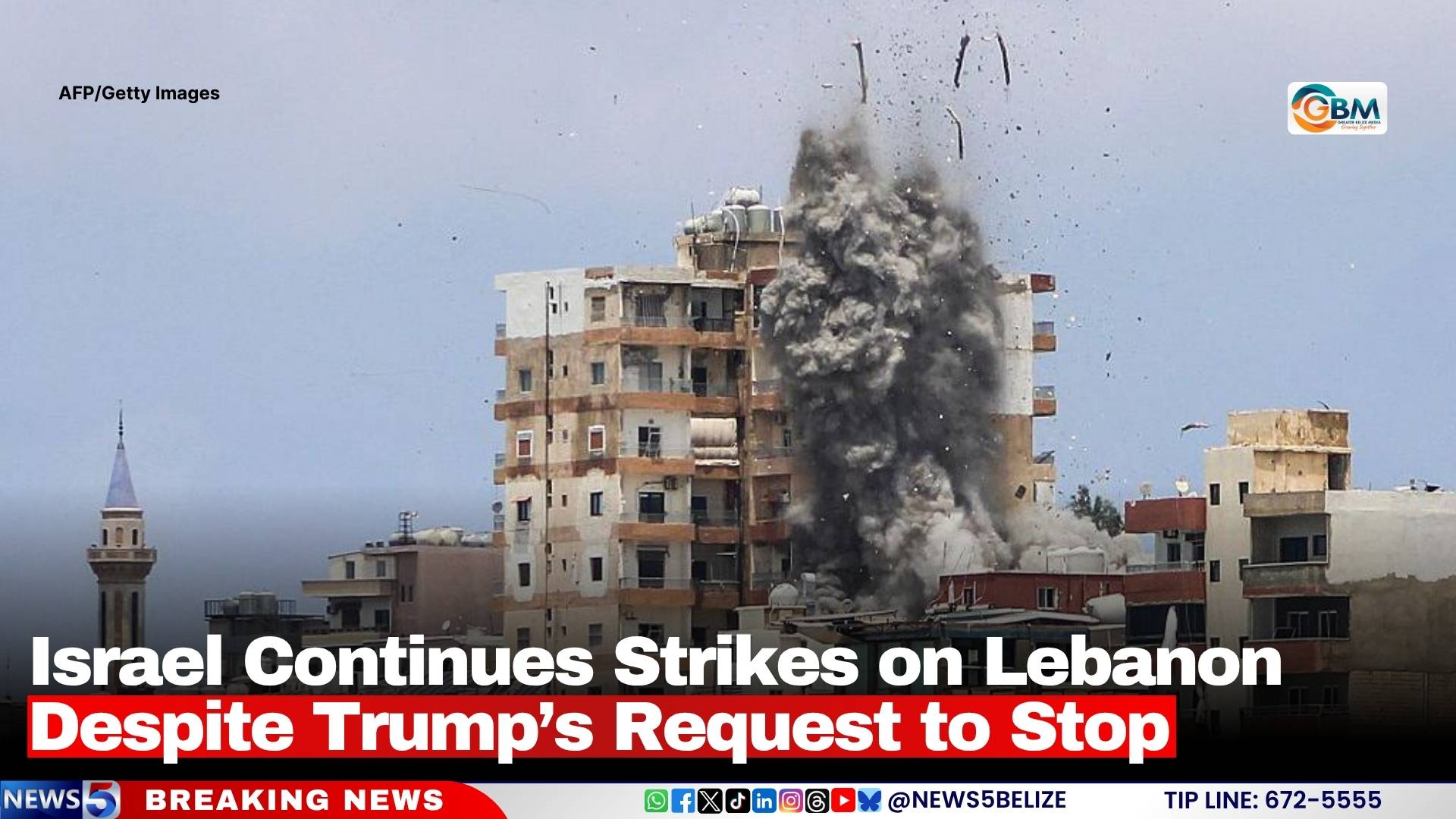
Fresh regional escalation has roiled the Middle East just one day after a tentative pause in direct hostilities between Israel and Iran, brokered by outgoing U.S. President Donald Trump. On Tuesday, Israeli airstrikes targeting the southern Lebanese coastal city of Tyre left at least eight people dead, confirming that Israel has rejected calls to extend its ceasefire commitments to its campaign against Iranian-backed militant group Hezbollah in Lebanon.
The ceasefire breakthrough came Monday, when Trump took to his social platform Truth Social to announce the deal. “Both sides, Israel and Iran, are looking to do an immediate CEASEFIRE! Final negotiations on ‘Peace’ are proceeding, subject to ignorance or stupidity getting in its way,” he wrote in the post. Iran quickly signaled that the truce would only hold as long as Israel held back from attacks on Hezbollah, the powerful militant and political organization based in southern Lebanon that Tehran has long armed and funded.
Israel, however, has drawn a clear line between its understandings with Iran and its military operations in Lebanon, insisting the conflict against Hezbollah is unrelated to any ceasefire agreement reached through U.S. mediation. The Tyre strike makes clear that Israel has no intention of pausing its cross-border campaign, raising the risk that the tentative Israel-Iran truce will collapse entirely.
Tensions have spiked simultaneously in another critical flashpoint: the Strait of Hormuz, the strategic waterway through which roughly 20% of global oil supplies pass. A U.S. Army Apache attack helicopter on patrol near the strait went down Tuesday, though the two crew members on board were rescued by a U.S. Navy drone within roughly two hours of the crash.
Trump quickly blamed Iran for the incident, writing on Truth Social: “I have just been informed by our Great Military that last night the Iranians shot down one of our highly sophisticated Apache Helicopters while patrolling over the Strait of Hormuz…the United States must, of necessity, respond to this attack.” Tehran has not yet issued an official response to Trump’s accusation.
The Strait of Hormuz has been a major point of contention since the outbreak of the latest regional war. Iran has blocked most commercial shipping traffic through the waterway, prompting the U.S. to impose a reciprocal naval blockade on Iranian ports in response. U.S. Energy Secretary Chris Wright noted in recent comments that while ship traffic through the strait has begun to inch upward, it will likely take many months for traffic volumes to return to pre-war levels even if a ceasefire is reached.