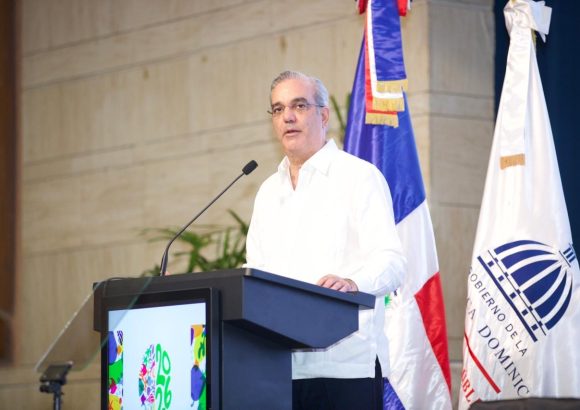
PUNTA CANA, Dominican Republic – At the opening of the Latinosan 2026 conference hosted in this major Caribbean coastal tourism hub, Dominican Republic President Luis Abinader has issued a urgent call to governments across Latin America and the Caribbean to elevate water and sanitation infrastructure to the top of their national development agendas. In his keynote address, the president emphasized that basic sanitation can no longer be sidelined as a low-priority secondary concern, pointing to its far-reaching direct impacts on public health outcomes, long-term environmental sustainability, inclusive economic growth, and community-level climate resilience.
Abinader underlined that equitable access to clean drinking water and well-functioning sanitation systems is a non-negotiable foundation for advancing key regional goals. From narrowing systemic social and economic inequality to preserving fragile natural ecosystems, from strengthening the competitiveness of the tourism sector that drives many regional economies to lifting overall quality of life for all populations, the president noted that these core services underpin nearly every dimension of sustainable progress. He made clear that universal, reliable access to high-quality water and sanitation is not a secondary outcome of development, but a prerequisite for achieving meaningful, long-lasting sustainable growth across the region.
Turning to his own country’s ongoing efforts, Abinader highlighted the Dominican Republic’s sustained, large-scale investments in expanding modern water and wastewater infrastructure across the nation. A flagship example he cited is the Verón-Punta Cana Water and Sewerage Project, a major initiative that is on track to deliver improved services to more than one million people once fully completed. This project is a core component of the national government’s broader Universal Sanitation Program for Coastal and Tourist Cities, a strategic framework crafted to protect vulnerable freshwater reserves, anchor the growth of sustainable tourism, and guide orderly, sustainable urban expansion in the Punta Cana region – one of the Dominican Republic’s most economically vital areas.
The president added that the Dominican Republic is currently undergoing a historic, once-in-a-generation transformation of its national water sector. This shift is being driven by record levels of public investment, targeted reforms to strengthen institutional governance of water resources, and long-term strategic planning that aligns infrastructure projects with climate and development goals. During the conference, Wellington Arnaud, the leader of the country’s water governance institute, detailed that the national government is rolling out one of the most ambitious water and sanitation investment portfolios in the entire Latin American and Caribbean region. This pipeline includes a series of major projects developed in partnership with the Inter-American Development Bank, with total combined investment valued at nearly US$1 billion.
Government officials outlined the tangible outcomes these investments will deliver for the Dominican people: expanded access to safe drinking water for underserved communities, increased national wastewater treatment capacity to reduce pollution, enhanced protection for more than 200 kilometers of ecologically and economically critical coastline, and direct improved quality of life for more than one million residents across the country. Beyond national progress, the Latinosan 2026 conference also spotlighted the Dominican Republic’s growing leadership role in regional water management, sustainable sanitation, and equitable development, framing the country as an innovative regional model for advancing public health and environmental protection through targeted, large-scale infrastructure investment.