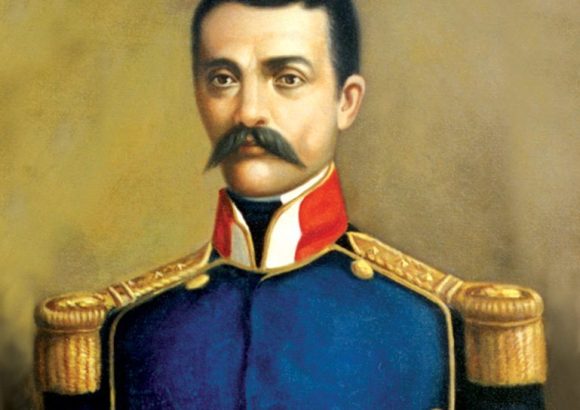
In a solemn ceremony held at the Altar of the Fatherland in the heart of Santo Domingo, the Duartian Institute gathered this week to pay tribute to one of the Dominican Republic’s most revered founding fathers, Ramón Matías Mella, marking the 162nd anniversary of his passing. The floral commemoration was organized to celebrate and preserve Mella’s irreplaceable contributions to Dominican sovereignty, from his defining work in the push for national independence to his strategic leadership during the Restoration War against Spanish annexation.
Speaking at the memorial event, Duartian Institute President Wilson Gómez Ramírez centered his remarks on Mella’s extraordinary courage, strategic acumen, and unwavering commitment to the Dominican people. He emphasized that when movement founder Juan Pablo Duarte was forced to leave the country amid rising political pressure, Mella stepped into a critical leadership role to keep the Trinitarian independence movement advancing toward its goal of sovereign statehood. Gómez Ramírez also recalled one of Mella’s most important, often understated diplomatic achievements: his mission to secure backing from Charles Hérard, the liberal Haitian leader whose support proved to be a foundational turning point for the Dominican independence project.
Beyond his political and military leadership, the Institute highlighted the lasting institutional and symbolic contributions Mella left to the nation. During the Restoration War, Mella compiled and wrote the Guerrilla Warfare Manual, a text that shaped Dominican resistance efforts against occupying forces and remains a key document in the country’s military history. Perhaps his most iconic act came at Puerta de la Misericordia, where his historic firing of the trabucazo (blunderbuss) served as the official signal that the fight for Dominican independence had begun.
Event speakers also took a moment to reflect on a poignant, little-known chapter of Mella’s life: his final meeting with Duarte in 1864, as his health declined rapidly. In that emotional encounter, the dying patriot made one last request: that he be buried wrapped in the flag of the independent nation he had fought so hard to establish. Today’s tribute organizers stressed that Mella’s legacy remains deeply woven into the national identity of the Dominican Republic, and that annual commemorations like this are critical to ensuring new generations understand the sacrifice and vision that built the modern Dominican state.