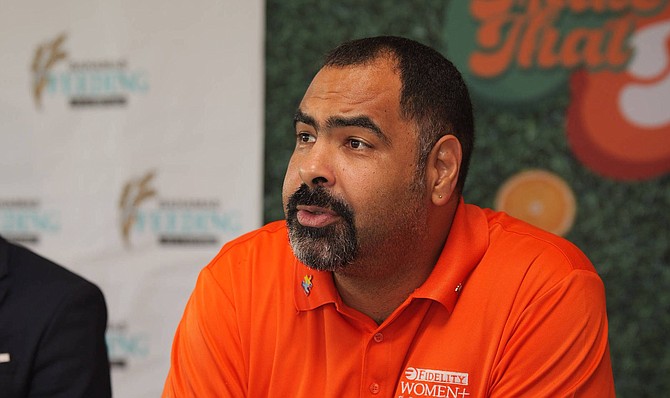
As The Bahamas prepares to launch its long-awaited medicinal cannabis sector in the coming weeks, the country’s top banking industry leader has sounded a urgent alarm: existing international banking rules, particularly those enforced by major U.S. financial institutions, will leave the newly legal industry largely locked out of mainstream Bahamian banking services.
Gowon Bowe, chairman of the Clearing Banks Association, laid out the structural challenges in comments to local media, explaining that the root of the problem lies in Washington’s persistent federal classification of cannabis as an illegal controlled substance. Despite individual U.S. states legalizing both medicinal and recreational cannabis, federal law still bars financial institutions from processing any transactions tied to the marijuana industry. This ban extends to correspondent banking relationships, which form the backbone of The Bahamas’ international financial system.
Most global transactions for Bahamian banks are cleared through top-tier U.S. correspondent banks, including household names like Citibank, JPMorgan Chase, Bank of America, and Wells Fargo. Bowe confirmed that all of these major institutions explicitly prohibit any business with financial entities that work with cannabis-related companies. Even though The Bahamas has passed domestic legislation legalizing medicinal cannabis and is set to open licensing for operators imminently, that domestic legal status does not override the dependence of Bahamian commercial banking on the U.S. financial infrastructure.
Bowe noted that The Bahamas’ unique currency dynamic makes this problem far more intractable than in other countries that have legalized cannabis, such as Canada. Canada’s national currency is freely traded on global markets, allowing cannabis businesses to operate largely outside of U.S. dollar transaction flows. The same cannot be said for The Bahamas: the Bahamian dollar has no international trading market, and every import, export, and major commercial transaction conducted in the country is settled in U.S. dollars.
“The reality is there’s no commercial bank that can feasibly ring fence this activity to say that these particular persons or these particular businesses will have absolutely no activity that would involve correspondent banks,” Bowe explained. Without the ability to fully separate cannabis transactions from all interaction with U.S. correspondent banks, serving the new industry would put Bahamian banks’ entire international operating licenses at risk.
This challenge is not theoretical, Bowe added, pointing to the experiences of other legal cannabis markets in the Caribbean. Jamaica reformed its laws to legalize cannabis years ago, but the industry remains almost entirely cash-based today due to the same international banking restrictions. Operating on an all-cash basis leaves businesses vulnerable to theft, fraud, and other criminal activity, a risk Bowe said The Bahamas cannot ignore as it builds out its new sector.
The timing of Bowe’s warning is significant: the Bahamas Cannabis Authority recently signed an agreement with U.S.-based cannabis tracking firm Metrc, and is on track to launch its official licensing platform, public website, and application process by the end of June, with the first commercial operations expected to launch within weeks.
Bowe outlined potential alternative banking avenues, including European financial institutions and non-traditional providers like credit unions or postal banking services. But even these options carry major risks, he cautioned, as most alternative providers still maintain critical correspondent relationships with U.S. banks, and could lose those relationships if they are found to be handling cannabis funds.
Most notably, Bowe criticized a lack of substantive progress between the government and the banking sector on addressing the gap between the new legal cannabis framework and the practical commercial realities of global banking. While informal conversations have occurred, no formal collaborative negotiations or policy planning have taken place. He called out the government’s approach as a modern-day “ostrich with its head in the sand,” noting that just because domestic law permits cannabis activity does not mean banks can legally or practically serve the industry under existing international rules.
Bowe urged policymakers to set aside finger-pointing and work collaboratively with the banking sector to address the hurdle. He warned that resolving the issue will require significant diplomatic effort and geopolitical negotiation, and that a feasible solution for banking cannabis businesses in the near term is far from guaranteed.