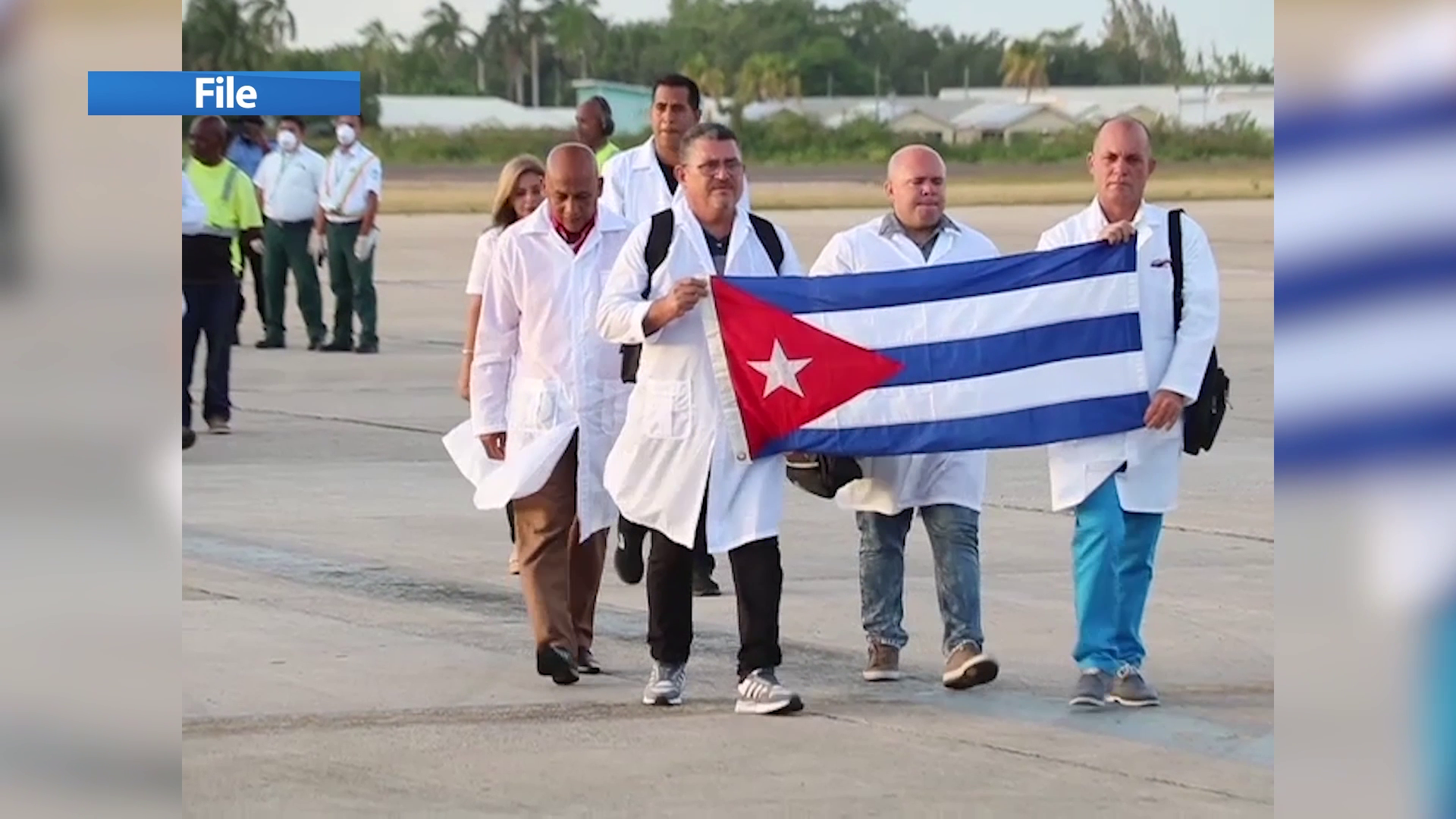
As of May 27, 2026, the small Caribbean nation of Belize finds itself caught between long-standing reliance on Cuban medical support and mounting diplomatic pressure from the United States, creating a tense policy standoff that tests the country’s sovereign decision-making. At the heart of the first dispute is the Cuban medical brigade, a program that has propped up Belize’s under-resourced public healthcare system for years, but which Washington has decried as a state-run forced labor and human trafficking operation.
Multiple other nations across the Latin American and Caribbean region have already bowed to U.S. pressure and expelled Cuban medical teams in recent months, leaving Belize as one of the last remaining holdouts. In a public update on the ongoing negotiations, Belizean Prime Minister John Briceño laid out his government’s delicate balancing act: working to craft a compromise that satisfies both Washington’s demands and Belize’s need to retain qualified medical staff. Briceño emphasized that from the program’s launch, Belize has directly paid participating doctors rather than sending compensation to the Cuban government, a structure that already aligns with core U.S. requirements. The government’s current goal, he explained, is to reach a new agreement with Havana that allows individual brigade members to choose to remain in Belize voluntarily, formally confirming their independent employment status to address U.S. concerns.
Beyond the medical brigade controversy, Briceño has also taken a clear, public stance against another recent U.S. action targeting Cuba: the indictment of 95-year-old former Cuban President Raúl Castro on charges of murder and conspiracy stemming from the 1996 shootdown of two unarmed civilian aircraft operated by a Cuban exile group. The incident killed four people, including three U.S. citizens and one U.S. permanent resident.
Briceño called the indictment deeply troubling and unjustified, noting that the Cuban government had repeatedly warned the aircraft that they were violating Cuban sovereign airspace prior to the incident. “When it comes to Cuba, the Americans have a totally different outlook on that,” Briceño said. “It is certainly something small countries are concerned of, we in CARICOM. We have always taken the position of CARICOM. We are very concerned when any country starts to interfere with the sovereignty of any country.”
For Belize, the dual disputes underscore the persistent challenges small Caribbean states face as they seek to uphold their own policy priorities amid competing geopolitical pressure from global powers, with the future of the country’s healthcare access and its stance on regional sovereignty hanging in the balance.