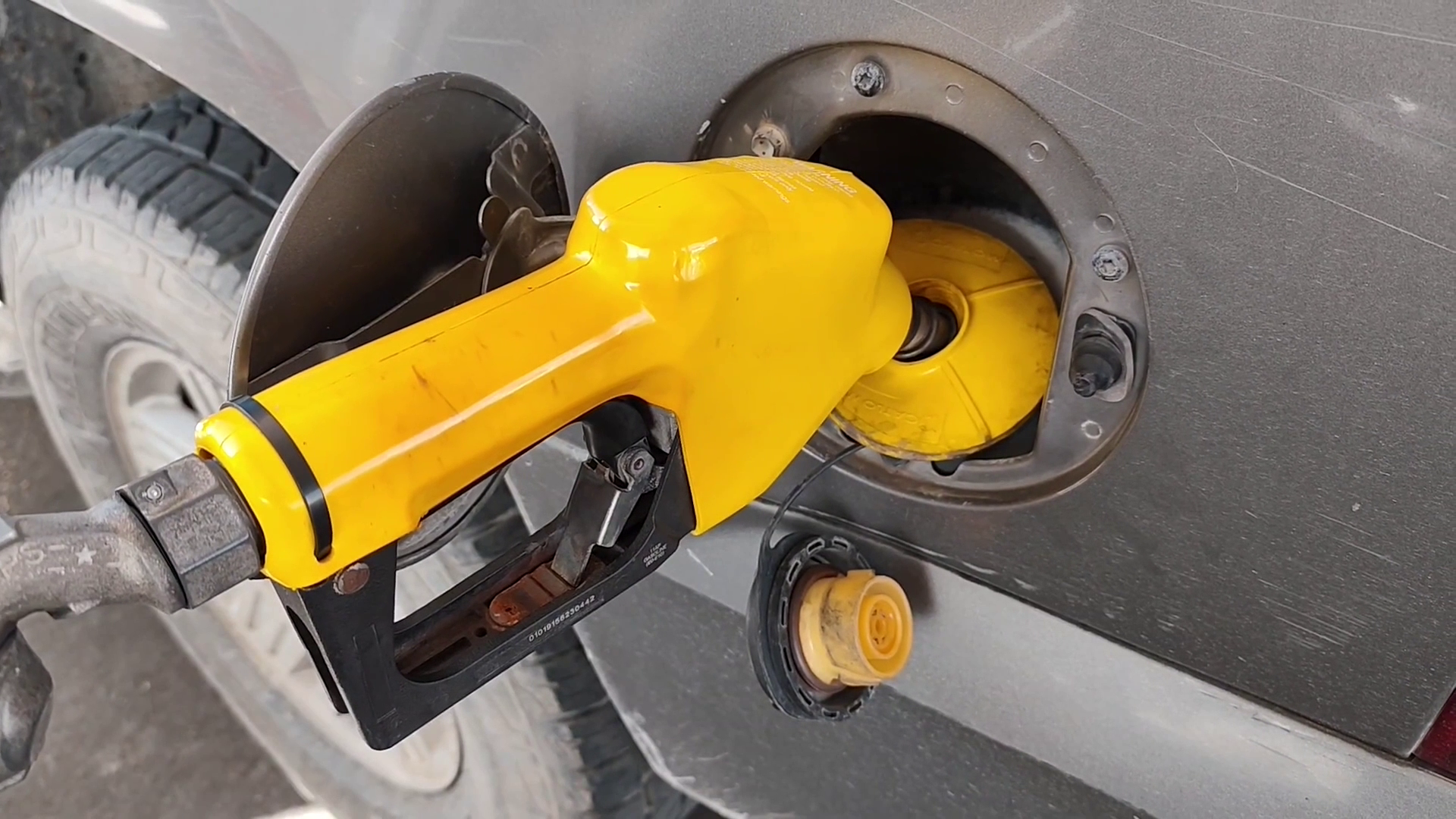
In 2026, Belize stepped into the regional energy spotlight as it welcomed attendees to the 65th annual assembly of the Latin America and Caribbean Energy Organization (OLACDE), where a crippling regional fuel price surge dominated every discussion on the agenda. New data presented at the summit painted a stark picture of the unfolding crisis: across Latin America and the Caribbean, regular and premium gasoline prices have jumped 15% in recent months, while diesel costs, a critical input for transportation, agriculture and industrial activity, have skyrocketed by a staggering 22%.
Energy leaders and policy analysts at the gathering warned that this rapid price increase is unlikely to be a temporary market spike, warning of far deeper economic instability on the horizon. OLACDE Executive Secretary Andrés Rebolledo told attendees that the global economy is increasingly at risk of tipping into stagflation, a rare and damaging economic scenario marked by simultaneous high inflation and stagnant economic growth that would disproportionately hurt small and developing economies across the region.
In his remarks from the summit floor, Rebolledo outlined the uneven patchwork of policy responses that regional governments have already deployed to soften the blow of rising fuel costs for consumers. Most nations have relied on one of four core strategies, he explained: widespread fuel subsidies, targeted tax exemptions for energy and transportation sectors, price controls for retail fuel distribution networks, or negotiated agreements with private sector fuel suppliers. But each strategy carries significant tradeoffs, Rebolledo noted: the ability of governments to maintain large-scale subsidies, for example, is strictly limited by national fiscal capacity and existing public debt burdens, leaving many lower-income nations unable to shield their populations from rising costs.
Beyond immediate policy responses, Rebolledo highlighted the deep split in global analysis around the root causes of the current price volatility. While many economists warn that the world is now on the brink of a harmful stagflationary period that would impact every sector of the global economy, not just energy markets, another cohort of analysts frames the current instability as a side effect of what they term a “freezing conflict” — an extended period of low-intensity geopolitical tension that keeps global energy supply chains constrained and prices elevated.
Against this backdrop, attendees at the Belize summit prioritized collaborative action, with regional energy partners working to draft joint strategies that can cushion regional economies from incoming shocks while accelerating the transition to sustainable domestic energy sources that would reduce long-term reliance on imported fossil fuels. Participants emphasized that coordinated regional action is the most effective path to mitigating the worst impacts of the current fuel crisis and building more resilient energy systems for the future.