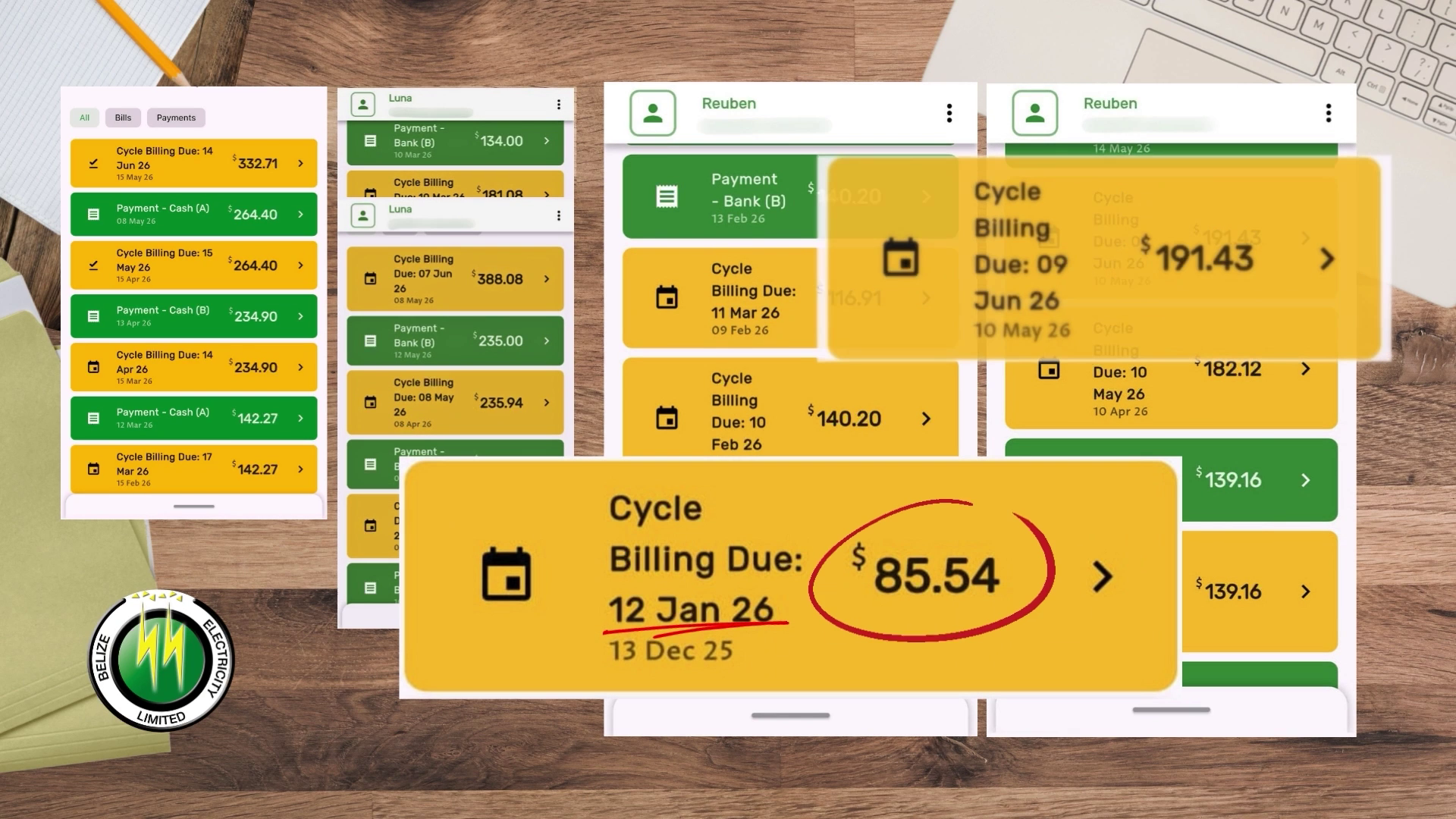
As of May 27, 2026, widespread public discontent over dramatically inflated electricity bills is building across Belize, with many residents reporting that their monthly energy costs have nearly doubled in the latest billing cycle. Local outlet News Five has been closely following the growing backlash against the national electricity provider Belize Electricity Limited (BEL), which has framed the price spikes as a direct result of increased customer energy consumption, and has urged households to cut back on usage to lower their costs. This explanation has failed to convince most angered consumers, who are pushing for greater transparency around the sudden increases.
Now, top officials from Belize’s Ministry of Public Utilities have stepped forward to offer additional context for the soaring bills. Dr. Leroy Almendarez, Chief Executive Officer of the ministry, confirmed that rising global fuel prices have also squeezed BEL’s operating margins, but reiterated that the bulk of the increase in individual bills still stems from higher customer consumption. Belize relies on imports for more than half of its total electricity supply, leaving the market vulnerable to shifts in global energy prices that eventually pass through to end users.
To help consumers understand their billing statements, Almendarez broke down BEL’s tiered pricing structure for residential customers. For the first 50 kilowatt-hours of usage, customers pay a rate of 34 cents per kilowatt-hour. Any consumption exceeding 50 kilowatt-hours up to 200 kilowatt-hours falls into a higher-priced tier, with a separate per-kilowatt rate applied to that portion of usage. The total bill is calculated by adding the costs from each tier, a structure Almendarez says is clearly outlined on every customer statement similar to itemized pricing at a retail store.
Almendarez advised customers to audit their own energy use to identify unnecessary consumption that drives up costs. He noted that many households unknowingly waste energy by leaving appliances and electronics plugged in continuously even when not in use. Phantom energy draw from plugged-in devices not only adds to monthly bills, he added, but also creates a small but real fire hazard, as demonstrated by overheated mobile phone chargers left plugged in indefinitely. Checking for hidden leaks in electrical systems and unplugging unused devices are simple conservation steps that can bring down monthly costs significantly, he said.
Addressing ongoing concerns about the utility’s rollout of new smart metering technology, Almendarez pushed back against claims that the meters are used to overcharge customers. He emphasized that the smart meter program is intended to give consumers greater access to real-time data about their energy usage, empowering them to make more informed decisions about conservation rather than misleading the public.
This report is a transcribed excerpt from an evening television newscast published online, with local Kriol language speech transcribed using a standardized spelling system for accessibility.