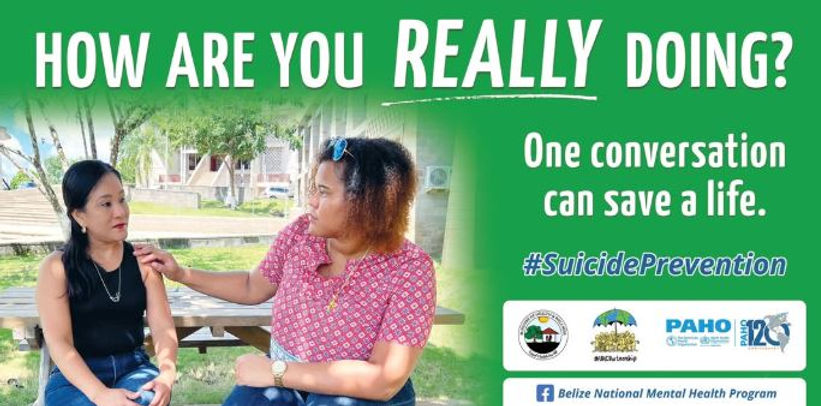
Across the Americas, suicide among adolescents and young adults is climbing at an alarming rate that has sent public health leaders sounding the alarm over systemic gaps in mental health access and prevention. New collaborative research from the Pan American Health Organization (PAHO), published in *The Lancet Regional Health – Americas*, delivers a stark statistical portrait of the crisis: in 2021 alone, more than 18,000 young people between the ages of 10 and 24 died by suicide in the region. Over the 21-year study period from 2000 to 2021, youth suicide rates jumped 38%, cementing suicide as the third leading cause of death for this age group across the hemisphere. What makes this trend particularly worrying for health experts is that the rate of increase among young people is outpacing growth in suicide rates among the general population. While men and young males still account for 75% of all youth suicide deaths, the rate of increase among girls and young women has accelerated far faster than their male counterparts. Most striking of all, the most dramatic surge in suicide deaths has occurred among children just 10 to 14 years old, a demographic that was rarely centered in mental health conversations decades ago. PAHO Director Jarbas Barbosa framed the study’s findings as a critical wake-up call for governments and public health systems across the region. “This steady increase among children and young people leaves no room for delay,” Barbosa emphasized, noting that the crisis exposes an urgent need to build robust prevention infrastructure and deliver early, targeted support to at-risk youth before crisis hits. Researchers have pinpointed a set of interconnected driving forces behind the rising trend. Modern pressures have pushed the onset of common mental health conditions including depression and anxiety to younger ages, while growing rates of substance abuse, pervasive cyberbullying, overwhelming social achievement pressure, and prolonged exposure to toxic, harmful online environments have compounded risks for young people. Easy access to lethal means of self-harm also stands out as a major modifiable risk factor that public health systems have yet to fully address. Crucially, public health officials stress that nearly all of these risk factors can be mitigated or treated if caught early. The report lays out a clear set of actionable recommendations, including expanding school-based mental health literacy and support programs, scaling up low-barrier emotional counseling services, implementing universal early mental health screening for youth, and strengthening community-led intervention networks to reach at-risk young people who may fall through the cracks of formal care. The analysis drew on mortality data from 35 countries compiled by the World Health Organization, tracking the rise from a regional rate of 5.7 deaths per 100,000 young people in 2000 to 7.84 per 100,000 in 2021. Disparities across the region are also stark, with North America and several parts of South America recording some of the highest youth suicide mortality rates. The crisis is not limited to larger nations: it has hit small countries like Belize particularly hard, where local mental health experts have documented deeply troubling upward trends among local adolescents. UNICEF Belize data shows that annual attempted suicide rates among 15 to 19-year-olds rose 39% each year between 2014 and 2016, and by 2017, the rate had nearly tripled compared to the start of the decade. This age group now has the highest rate of suicide attempts in the entire country. Alongside the regional risk factors, UNICEF has identified widespread community violence, chronic exposure to trauma, and limited access to substance abuse support as key stressors affecting Belizean youth. Systemic barriers remain a major hurdle: mental health services are severely underfunded and geographically limited across much of the country, leaving most young people unable to access affordable, confidential support when they need it most. Even more recent data tracking Belizean trends from 2019 to 2023 confirms that suicide and non-fatal suicide attempts have grown into one of the country’s most pressing unaddressed public health challenges. In response to this hemisphere-wide crisis, PAHO has launched a new Regional Suicide Prevention Initiative set to roll out in 2025. The initiative is designed to support member states in strengthening national suicide prevention strategies, expanding access to affordable youth-focused mental health care, and reducing the persistent social stigma that prevents many young people from seeking help before it is too late. Health leaders across the region stress that suicide is preventable, and reversing the current upward trend will require coordinated, cross-sector collaboration between national governments, school systems, local communities, and family units. For anyone experiencing suicidal thoughts or emotional distress, or anyone who is worried about a loved one, public health officials emphasize that reaching out to a trusted friend, family member, qualified health professional, or local mental health service can be life-saving.