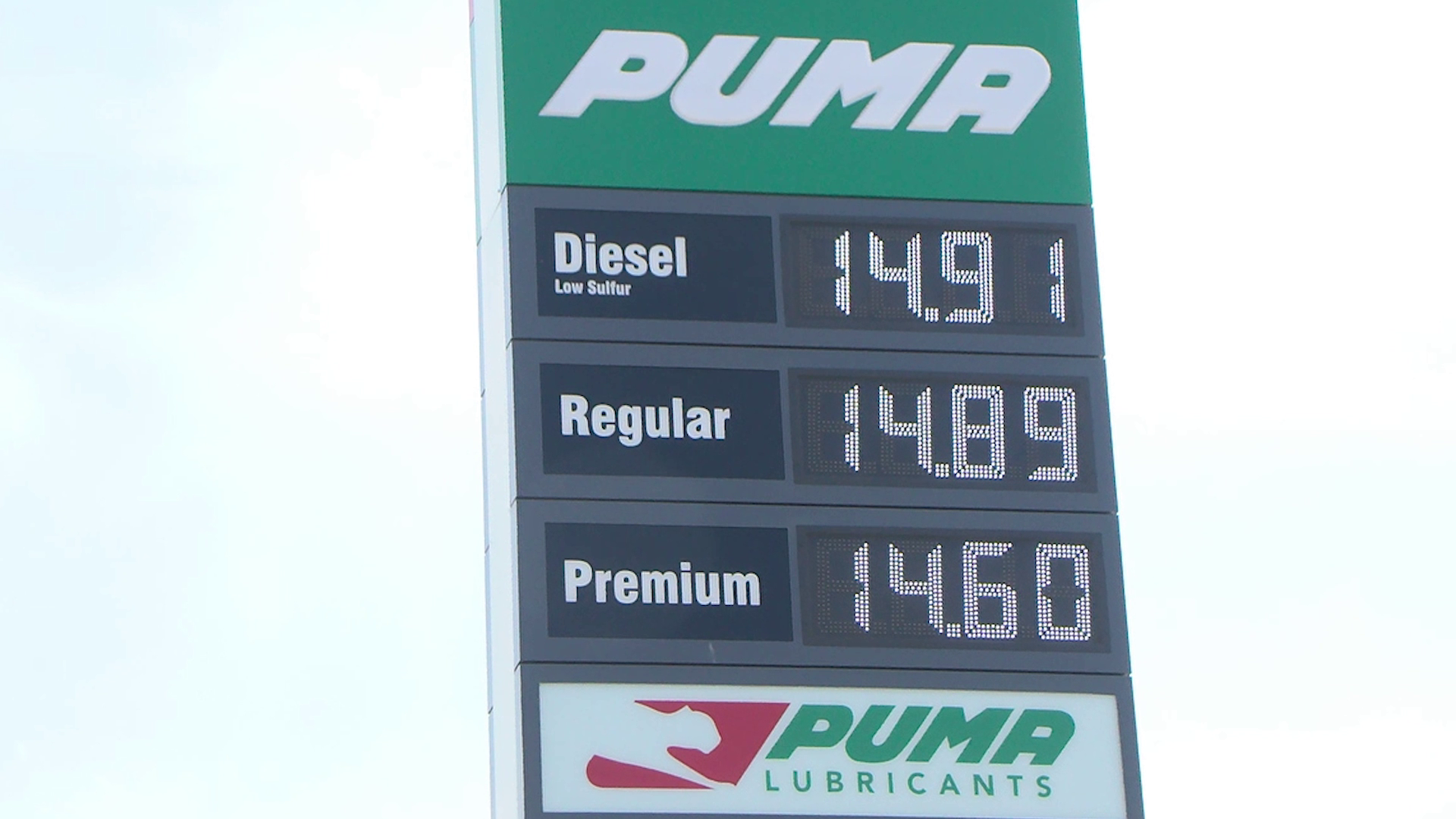
As of May 21, 2026, Belize is grappling with two interconnected crises shaking its fuel sector: consecutive weekly price hikes have placed unprecedented financial pressure on ordinary motorists across the country, while fuel dealers are locked in a high-stakes dispute with the national government over a sudden rollback of a decades-old pricing framework.
Across Belize’s largest urban center, Belize City, the strain of rising fuel costs is visible at every gas pump. What was once a routine, predictable expense to keep vehicles on the road has ballooned into a major monthly budget burden, forcing thousands of drivers to rearrange their daily routines, cut back on non-essential travel, and rethink personal finances. In an on-the-ground, non-scientific survey of local motorists, reporter Paul Lopez from News Five documents how the steady climb in prices has upended household budgeting for commuters that rely on their vehicles for work and daily life.
Interviews with more than a dozen local residents reveal consistent stories of growing financial strain. One long-time commuter who travels daily from Orange Walk to Belize City for work explained that a $50 weekly fuel budget that once covered all his trips now only lasts 48 hours. “It really hurts me,” he shared, calling on national leaders to cut fuel taxes to ease the burden. Another mobile worker, who operates as a locksmith and must respond to emergency calls across the city, noted that what once cost $50 every two to three days now must be purchased every 36 hours on average. Even motorcyclists, who typically enjoy lower fuel costs, have seen their weekly expenses jump by $10 on average.
The scale of the increases varies by usage, but all drivers report double-digit weekly jumps in fuel spending. One vehicle owner who previously spent $80 per week on fuel for his car and $20 for his motorcycle now pays $110 for the car and $30 for the motorcycle, a 25% total increase. For a mother who makes daily trips to transport her children from the Belama neighborhood to schools across Belize City, weekly fuel costs have surged from $80 to $150 – a $70 jump that puts massive strain on her household budget. A commercial pickup driver who travels for work reports even starker growth, with his weekly bill climbing from $300 to more than $400. Across the board, drivers are frustrated: many note that even a $10 fill-up now barely moves the needle on their gas tank, leaving them constantly budgeting for refuels.
A quirk of the current pricing landscape has seen a surprising shift in consumer behavior: for the first time in many years, premium fuel now costs less than regular fuel at Belize’s pumps, leading most motorists to opt for the higher-grade option even as overall costs rise. Regardless of the grade they choose, the end result is the same: eroded purchasing power that leaves less money for other essential household expenses.
Beyond the strain on drivers, a separate conflict is brewing between fuel retailers and the Briceño administration. The Belize Service Dealers Association is demanding that the government address its concerns within seven days, after policymakers unilaterally scrapped a pricing formula that had governed dealer margins for more than 20 years.
Under the 2004 pricing agreement, service stations were guaranteed a 10% margin on fuel based on its landed import cost. This framework was replaced abruptly by a flat-rate margin system, a change that dealers argue threatens the financial viability of their businesses. Dealers note that they raised formal objections to the proposed change during initial public consultations, but claim the government moved forward with the new system anyway, ignoring their input.
Dealers warn that the new flat-rate structure will squeeze their already thin profits, making it far harder to cover fixed operating costs including commercial rent for station properties and employee wages. They also emphasize that the original 2004 agreement requires mutual consent from both the government and dealer association to make changes to the pricing framework, a requirement they say the government has violated. As tensions escalate, the association has confirmed it has already retained legal counsel and is weighing formal legal action to reverse the policy change.