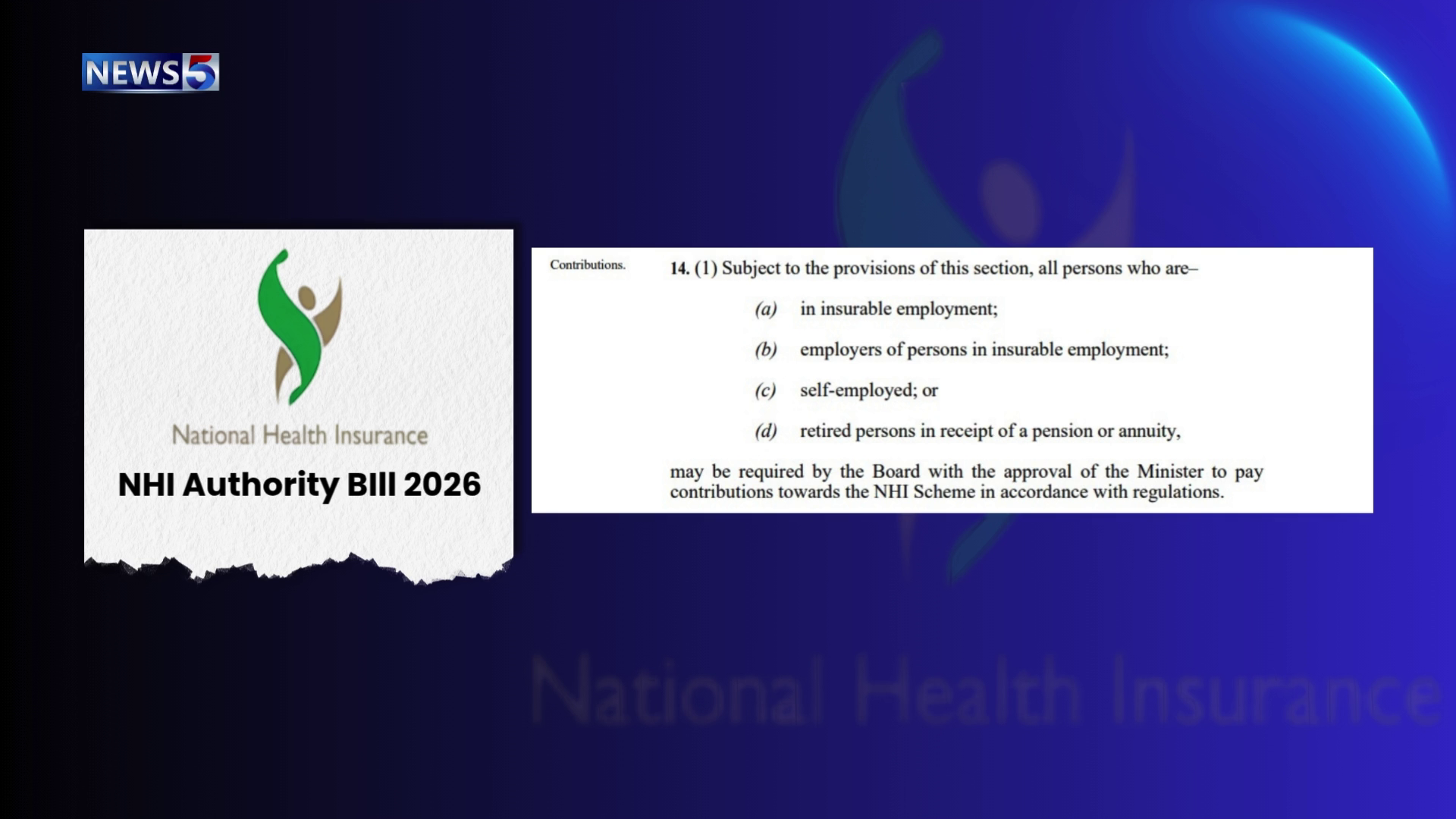
As debate over Belize’s national healthcare overhaul gains momentum ahead of a key parliamentary vote, the country’s main opposition leader is raising urgent red flags about the potential financial burden the proposed framework could place on working families. United Democratic Party (UDP) head Tracy Panton has emerged as a leading critic of the draft National Health Insurance Authority Bill, homing in on a controversial clause that grants the scheme’s governing board — with final approval from the relevant government minister — the power to mandate mandatory financial contributions from enrollees.
With cost-of-living pressures already stretching household budgets across Belize, Panton argues that the current draft legislation is ill-considered and would exacerbate financial hardship for a population already grappling with rising everyday expenses. In sharp remarks criticizing the government’s legislative approach, Panton emphasized that the opposition cannot back a bill rushed through parliament under the banner of universal healthcare that lacks critical transparency and guardrails.
Panton points to three core flaws in the current proposal: insufficient accountability mechanisms, vague, underdeveloped language around long-term financing, and a complete lack of clarity about the true out-of-pocket cost the scheme will impose on ordinary Belizeans. Most critically, she warns the legislation creates a pathway for what amounts to a new tax on citizens to fund the national health system. The proposed structure would establish a parallel contribution system to the country’s existing Social Security Board (SSB), requiring working Belizeans to make mandatory payments to both funds simultaneously.
“This is not National Health Insurance — this is what I call a national hustle insurance,” Panton stated, calling on the government to level with the public about the true terms of the reform. The National Health Insurance Authority Bill is scheduled for its first debate in Belize’s National Assembly in early June, setting the stage for a tense showdown over the future of the country’s healthcare system. This report is adapted from a televised evening news broadcast transcript, with original Kriol-language statements rendered in standard spelling for clarity.