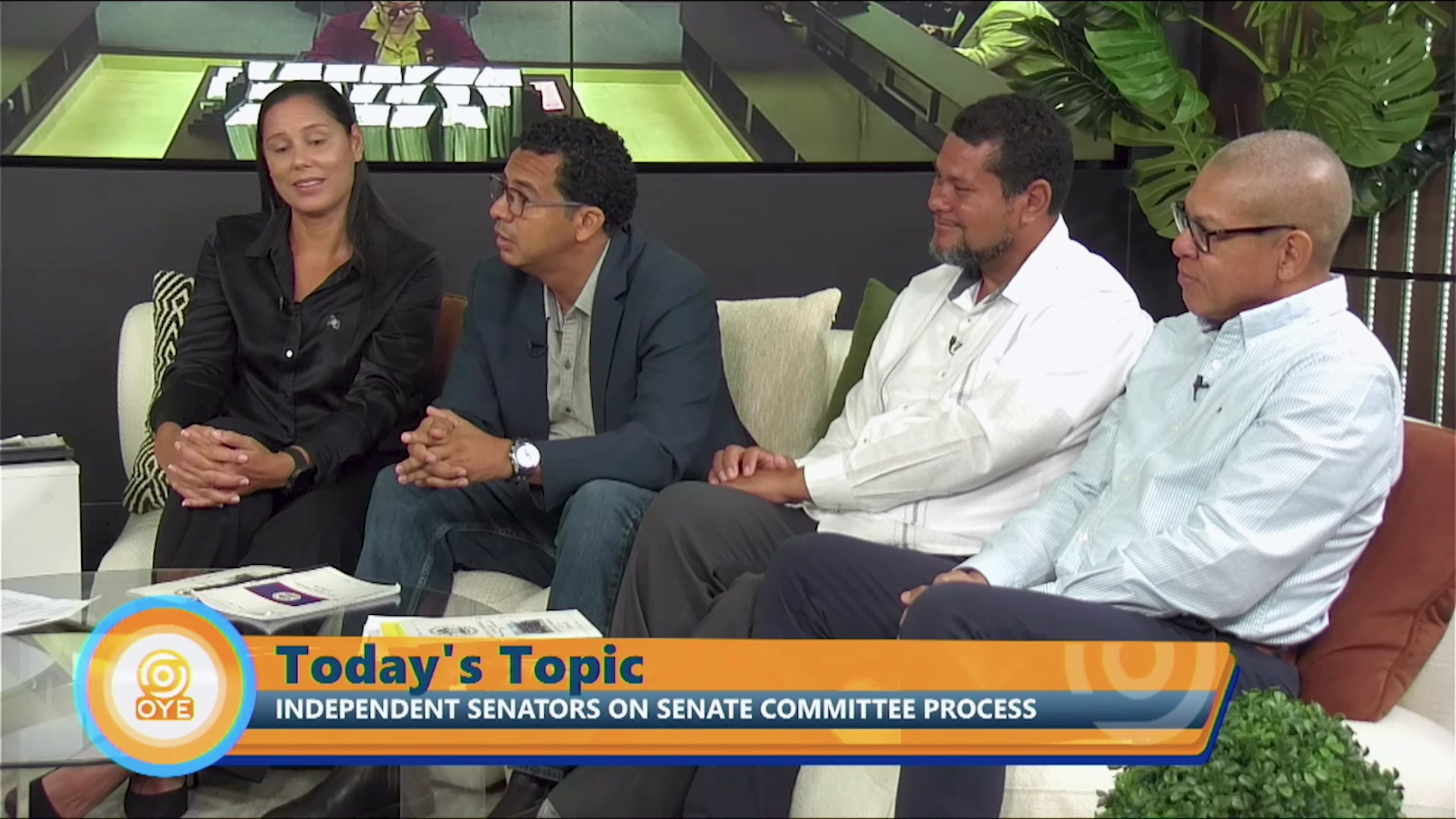
More than ten years after it was first drafted, the long-awaited Occupational Safety and Health (OSH) bill has finally advanced to the national Senate — only to become bogged down in procedural and substantive gridlock that has cast new doubt over the future of landmark worker protection legislation. For two full weeks, the proposal has been stuck in Senate committee review, leaving workers and employers across the country waiting without the critical regulatory safeguards the bill is designed to put in place. While public narratives have circulated blaming broad Senate inaction for the delay, sitting Union Senator Glenfield Dennison pushed back against that framing during a joint press appearance with independent colleagues Wednesday, arguing the holdup stems from deep, unresolved flaws embedded in the legislation itself.
Dennison refuted claims that individual senators were deliberately dragging their feet on the bill, noting that the proposal spent 12 years in preliminary stages before reaching the upper chamber just this spring. “Don’t drop that on me — I don’t want anybody suggesting that it is me holding up the OSH,” Dennison said. “Let’s take that narrative and throw it in the trash.” The most obvious contradiction he highlighted centers on the treatment of domestic workers: the bill’s opening definition section explicitly frames domestic work as a covered employment category, but Section 3 includes a clear exemption that excludes domestic workers from the law’s protections entirely. This direct logical conflict, Dennison argued, is just the most visible of a long list of unresolved issues that have stalled the legislation’s progress.
The bill’s delay has drawn criticism from across the Senate aisle, with UDP Senator Sheena Pitts doubling down on concerns about the exclusion of domestic workers and pointing blame directly at the Ministry of Labor and its leadership, including Labor Minister Kareem Musa. Pitts emphasized that Senate lawmakers are not intentionally stalling the bill — instead, the executive branch’s team failed to prepare answers for core questions raised during committee review. When senators pressed for clarification on key provisions, Pitts said, ministry representatives “told us, we can’t answer that right now.” Adding to the chaos, Minister Musa was out of the country during the initial review period, leaving no senior official able to resolve outstanding concerns.
Pitts also tied the exclusion of domestic workers to the country’s international human rights commitments, noting that the nation has ratified the United Nations Convention for the Elimination of Discrimination Against Women, which requires governments to advance gender equity. “You know who domestic workers are — women,” Pitts said. “It is so unfortunate that even the minister does not understand the legislation,” she added, criticizing the lack of preparation from the Labor Ministry’s top administrative team, including the Chief Executive Officer and Labor Commissioner, who attended the committee hearings but could not respond to basic questions about the bill’s text.
The gridlock comes after more than a decade of legislative back-and-forth on the OSH bill, which was first introduced in 2014 to update outdated occupational safety rules and expand protections to vulnerable worker groups. The current delay has renewed concerns that the legislation will stall indefinitely, leaving millions of workers without improved safety standards and regulatory recourse for workplace hazards. For the time being, committee leaders have not scheduled a new vote or markup, leaving the bill’s fate uncertain as the legislative session progresses.