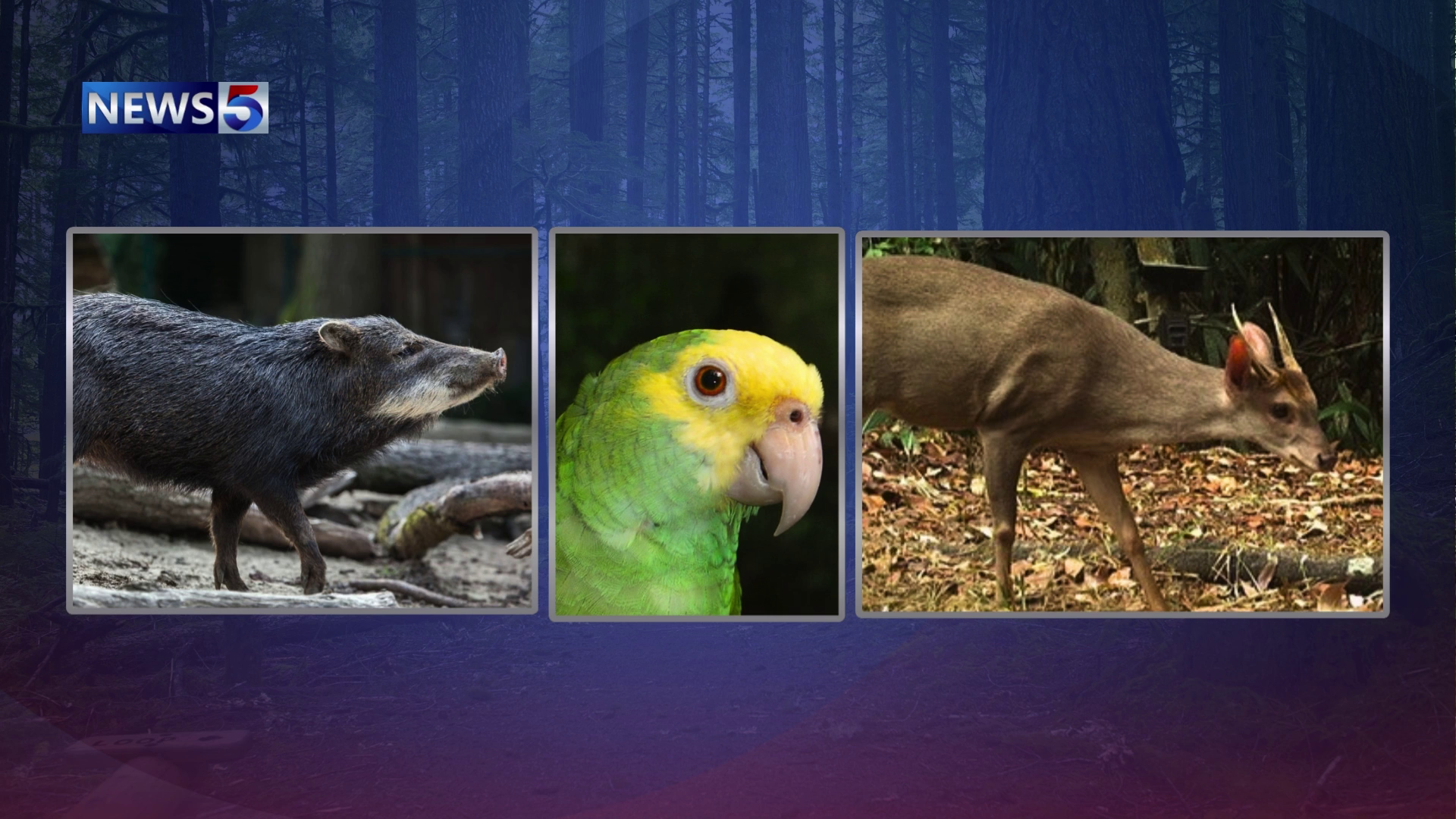
Scheduled for publication in May 2026, this report examines a pivotal shift in Belize’s approach to protecting its unique native biodiversity, as the country’s cabinet has introduced a long-awaited Wildlife Conservation and Management Bill designed to replace outdated legislation that has governed wildlife protection for decades. The legislative update has drawn initial praise from leading environmental voices in the country, including Dr. Celso Poot, managing director of the iconic Belize Zoo, a prominent institution at the forefront of Central American conservation work. Alongside the new bill, government officials have approved a 12-month hunting moratorium covering three at-risk native species: the white-lipped peccary (locally known as warries), the yellow-headed Amazon parrot, and the brown brocket deer.
Despite welcoming the broad push to update Belize’s wildlife governance, Dr. Poot has emerged as a key critic of the process, highlighting that frontline conservation scientists were excluded from the negotiations that shaped both the bill and the moratorium. His core concern centers on whether the new policy can deliver meaningful conservation outcomes without input from the researchers who study Belize’s declining wildlife populations.
Dr. Poot emphasized that evidence-based decision-making, rooted in rigorous population data, is the foundation of effective wildlife management. He pointed out that the current moratorium only covers three species, while many other native wildlife populations across Belize face sustained downward trends. For the yellow-headed Amazon parrot, a species illegally targeted for the pet trade within Belize, he argued a one-year pause in hunting is far too short to allow populations to recover, as large-bodied, slow-reproducing wildlife require years of protection to rebound from overexploitation.
For the white-lipped peccary, Dr. Poot noted that recent population assessments confirm dramatic declines: the species is now only found in large, remote protected areas, and individuals are far smaller on average than they were in past surveys. While he welcomes the inclusion of the species in the moratorium, he questions whether a 12-month protection period is sufficient to reverse its decline. When it comes to the brown brocket deer, he raises even more pressing concerns: the species remains understudied in Belize, with little reliable data on its current population size or distribution. Compounding this enforcement challenge, the average hunter cannot easily distinguish the brown brocket from the more common red brocket deer, raising questions about how the hunting ban can be practically enforced on the ground.
Beyond gaps in the current moratorium, Dr. Poot has called for the addition of hicatee turtles to the protected list, arguing the species also faces severe population threats that warrant immediate hunting protection. For Belize’s conservation community, the new bill represents a critical step forward in modernizing outdated environmental policy, but the exclusion of scientific expertise from decision-making has left serious doubts about whether the reform will deliver the meaningful biodiversity protection the country urgently needs.