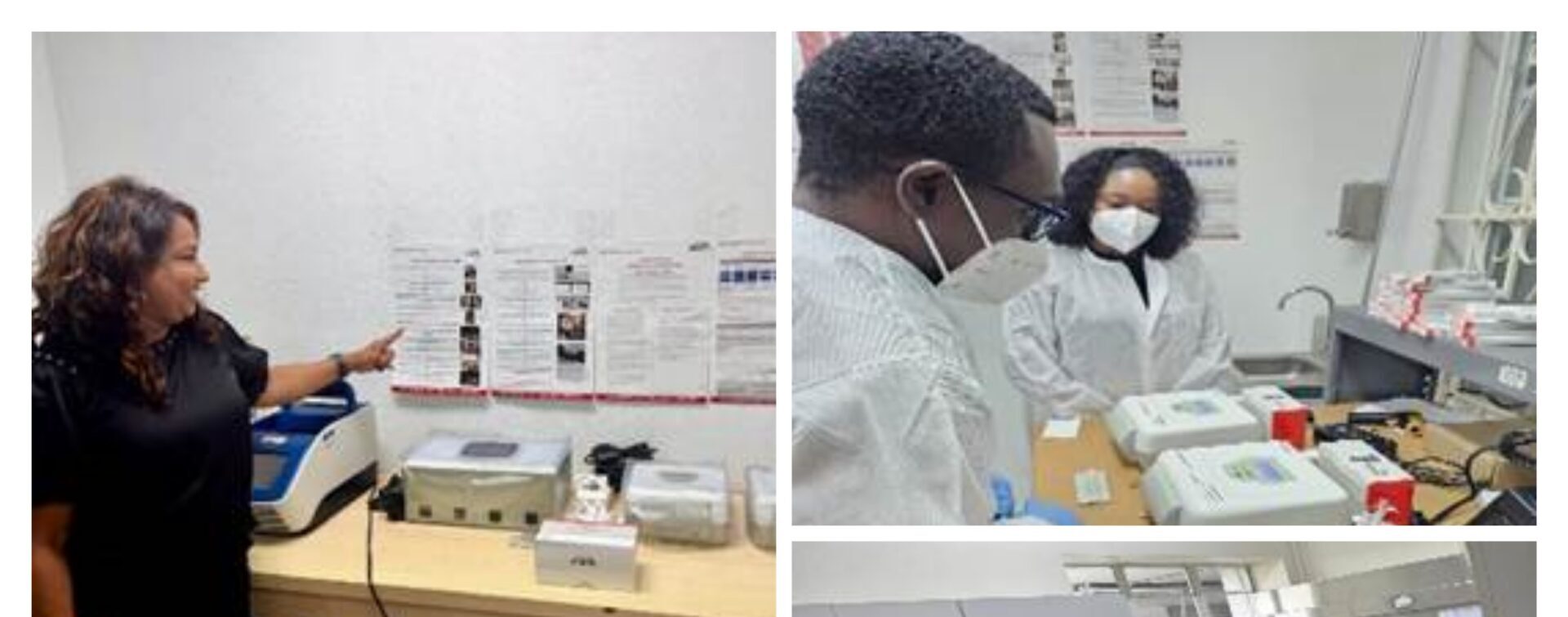
A landmark public health initiative has reached a major milestone across the Caribbean, with the Caribbean Public Health Agency (CARPHA) confirming the full rollout of Molbio rapid diagnostic testing platforms to 10 of its member states. Funded under the global Pandemic Fund Project, this deployment marks a substantial upgrade to the region’s ability to identify and contain infectious diseases that carry pandemic potential.
According to an official media statement from CARPHA released in 2026, installation of the new systems was completed by March 26 across all participating nations: Dominica, Barbados, The Bahamas, Belize, Grenada, Guyana, Jamaica, Saint Lucia, the Turks and Caicos Islands, and Trinidad and Tobago.
Unlike conventional testing tools, the newly installed platforms are engineered to deliver rapid molecular testing for a broad spectrum of high-risk pathogens that threaten public health across the region. The covered pathogens include SARS-CoV-2, norovirus, rabies, leptospira, salmonella, cholera, nipah virus, influenza, malaria, HIV, hepatitis, and tuberculosis. CARPHA officials emphasize that the technology drastically expands access to PCR-accurate diagnostics, equipping individual nations to bolster disease surveillance and mount faster responses to newly emerging health risks.
Lisa Indar, Executive Director of CARPHA, framed the completed rollout as a transformative leap forward for the region’s laboratory infrastructure. “The successful completion of the Molbio installations across our Member States represents a transformative step in advancing regional laboratory capacity,” Indar said. “By combining cutting-edge diagnostic technology with targeted workforce training, CARPHA is ensuring that countries are better prepared to detect, respond to and manage public health threats in real time.”
Beyond hardware installation, the initiative includes targeted capacity-building to ensure long-term functionality. More than 50 laboratory staff from participating countries have already completed specialized hands-on training to operate the new systems. This training component is designed to strengthen national laboratory networks and ensure the new technology delivers sustained benefits for years to come.
The urgency of rapid deployment during crises was already put to the test ahead of the full regional rollout. CARPHA highlighted Jamaica’s experience in the wake of Hurricane Melissa in October 2025, where the platform was installed and local staff were trained in just days. This allowed critical diagnostic services to continue operating uninterrupted through the aftermath of the storm, when public health risks often spike.
One of the most impactful improvements brought by the new technology is a drastic reduction in testing turnaround times. Where conventional PCR testing previously required several days to deliver results, the Molbio platforms produce accurate data in under two hours. This accelerated timeline enables faster clinical diagnosis, quicker isolation of infected individuals, and far more effective outbreak containment. Regional public health officials expect the faster turnaround to drastically improve early detection of emerging outbreaks and support more targeted, effective public health interventions across the Caribbean.
The deployment also advances long-standing regional health security goals, including stronger cross-border disease surveillance, faster outbreak response, more robust early warning systems, and greater overall resilience for national health systems across the Caribbean.
Looking forward, CARPHA has confirmed that routine diagnostic testing will begin immediately in all 10 participating countries. Participating nations will submit weekly testing data to CARPHA through the Molbio integrated reporting system, and this data will be aggregated into regional surveillance networks to support continuous monitoring and faster coordinated responses to any new emerging health threats.
CARPHA reaffirmed its ongoing commitment to strengthening regional laboratory systems through the Caribbean Public Health Laboratory Network, noting that continued investment in infrastructure and training will remain a priority to boost preparedness and response capacity across every corner of the region.