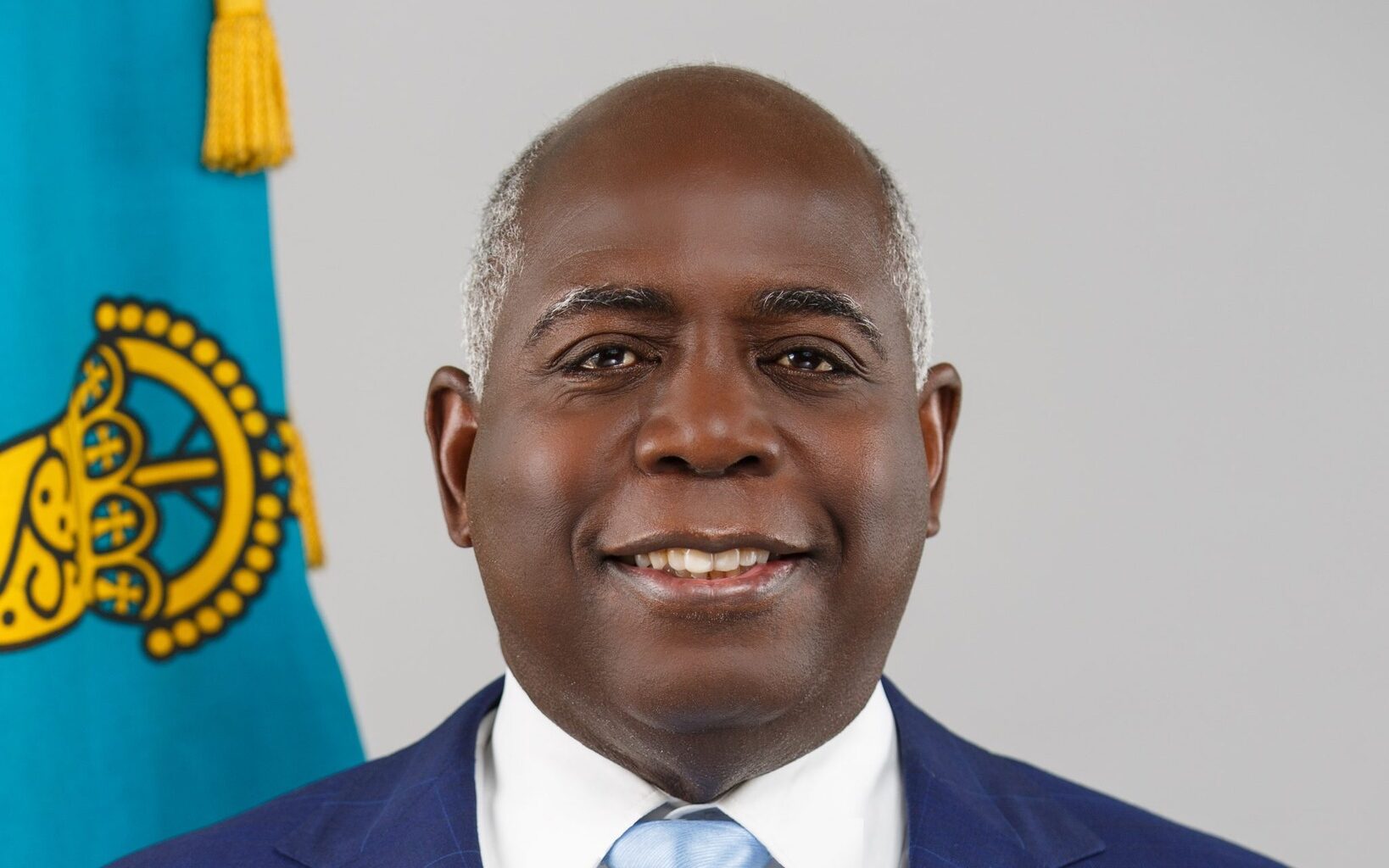
In a post-election message released across social media platforms, Dominica’s Prime Minister Roosevelt Skerrit has officially extended warm congratulations to Prime Minister Philip Davis of the Bahamas following Davis’ decisive victory in Tuesday’s general election.
Speaking on behalf of both the Dominican government and the Caribbean island nation’s general public, Skerrit offered his sincerest well wishes for ongoing advancement and shared prosperity for all Bahamian people. He emphasized that Davis’ successful re-election arrives at a critical juncture for the entire Caribbean region, noting close regional ties and shared priorities that unite the two nations.
Looking ahead to the next five-year term, Skerrit shared that he eagerly anticipates deepening ongoing collaboration and dialogue between Dominica and the Bahamas. This continued partnership, he noted, will focus on advancing collective regional priorities and driving forward inclusive, sustainable development that improves outcomes for citizens of both nations.
Local Bahamian political reporting from bahamaspress.com highlights that Davis’ election win is more than a routine democratic outcome — it marks a historic milestone for the Bahamas. Davis is set to become the first Bahamian head of government to secure back-to-back full terms in office, a feat not achieved by any sitting prime minister in nearly 30 years.
For decades, Bahamian electoral politics have followed a consistent pattern: voters have regularly chosen to oust incumbent governments at the end of every five-year legislative cycle. Davis’ re-election breaks this long-standing tradition, signaling a measurable shift in voter sentiment toward the ruling Progressive Liberal Party (PLP).
Davis’ path to re-election was shaped by a bold strategic move earlier this year. On April 8, the prime minister called an early snap election, moving to dissolve the national parliament months before its scheduled end of term. According to analysis from bahamaspress.com, this proactive political gambit reflects a broader transformation in the Bahamas’ modern political landscape. The outcome of the early vote suggests that the PLP successfully reconnected with the electorate and effectively communicated its first-term policy achievements to win over voters for a second consecutive term.