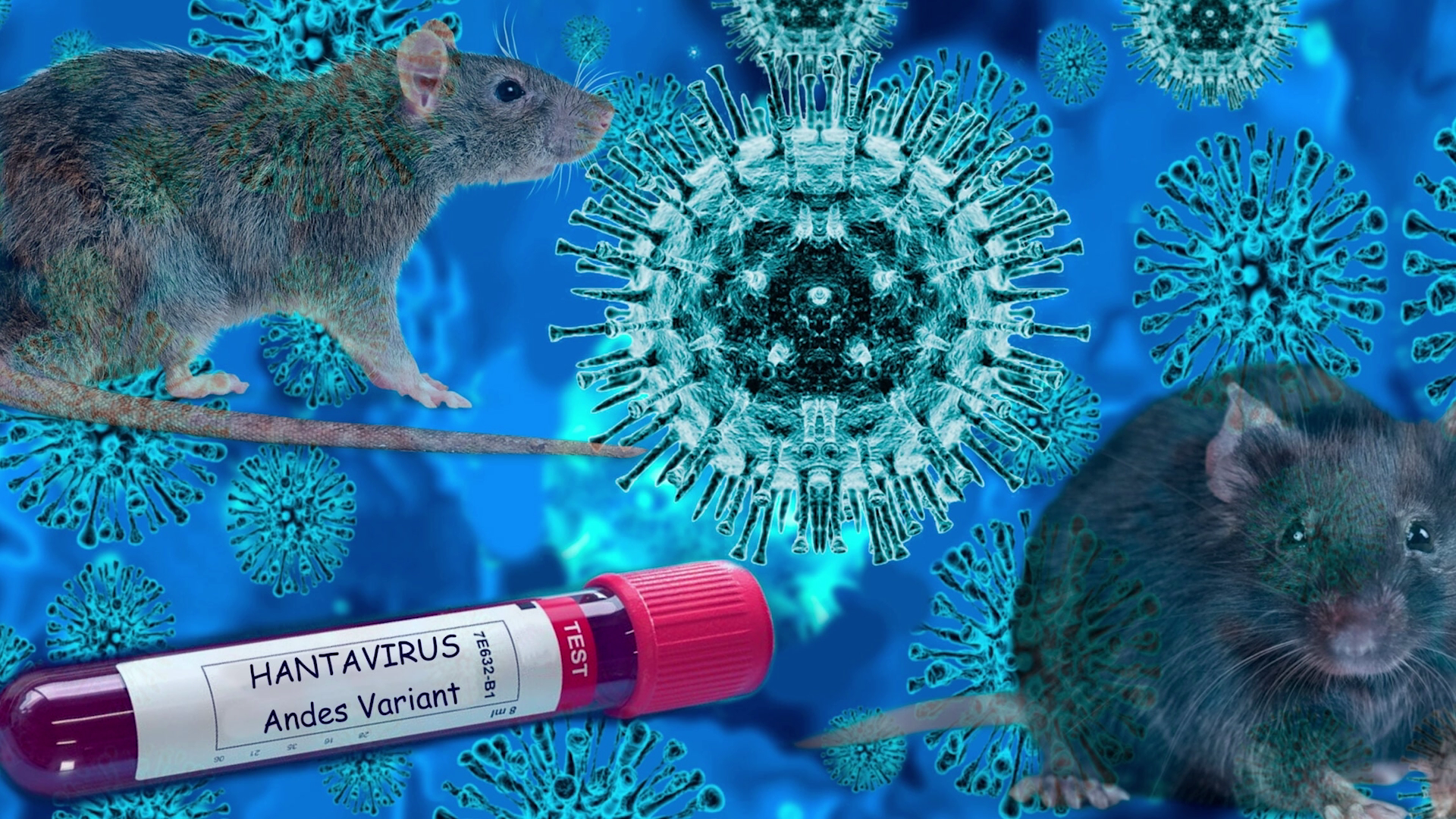
In response to a deadly hantavirus outbreak linked to a transatlantic cruise voyage, public health authorities across the Caribbean have activated enhanced monitoring protocols at all regional ports of entry, even as officials stress the overall public risk remains low and urge the public to avoid unnecessary panic.
The incident unfolded aboard the MV Hondius, a vessel carrying 147 passengers and crew members representing more than 20 nations. As of the latest update on May 11, 2026, the vessel has recorded eight total cases: three laboratory-confirmed hantavirus infections and five suspected cases, with three fatalities reported so far.
Epidemiological investigators are still working to trace the origin of the exposure, with two leading hypotheses under active examination: whether infected individuals contracted the virus before boarding the ship in Argentina, or whether transmission occurred during the open ocean voyage.
The Caribbean Public Health Agency (CARPHA), the regional public health governing body, has confirmed that as of now, there is no evidence of local hantavirus transmission within any Caribbean member state. Despite this reassuring finding, officials are prioritizing precautionary measures, ramping up screening and surveillance at all ports to catch any potential imported cases early.
Dr. Lisa Indar, Executive Director of CARPHA, explained the scientific context that underpins the agency’s risk assessment. “Based on the evidence available, the rodent species that maintains this virus in nature is not present in the Caribbean. Therefore there is no established local route of transmission in our region,” Indar stated. She added that rare human-to-human hantavirus transmission only occurs through prolonged, close contact with an infected individual, and the virus has an incubation period ranging from one to six weeks after exposure. Currently, there are no approved antiviral treatments or licensed vaccines for hantavirus; clinical care focuses on supportive interventions such as oxygen therapy and close intensive monitoring of patient symptoms.
“CARPHA advises our member states to remain vigilant but not alarmed,” Indar said. The agency’s regionally adapted early warning surveillance and laboratory network is already actively tracking the situation, with the capacity to rapidly detect and respond to any new cases that emerge. CARPHA also noted it is committed to maintaining proactive, transparent communication with member state health authorities and the general public, prioritizing accurate information sharing to curb the spread of dangerous misinformation about the outbreak.