As an early summer heatwave settles over Central America, the small Caribbean nation of Belize is facing a growing disruption that extends far beyond routine outdoor discomfort: it is upending daily learning in the country’s classrooms.
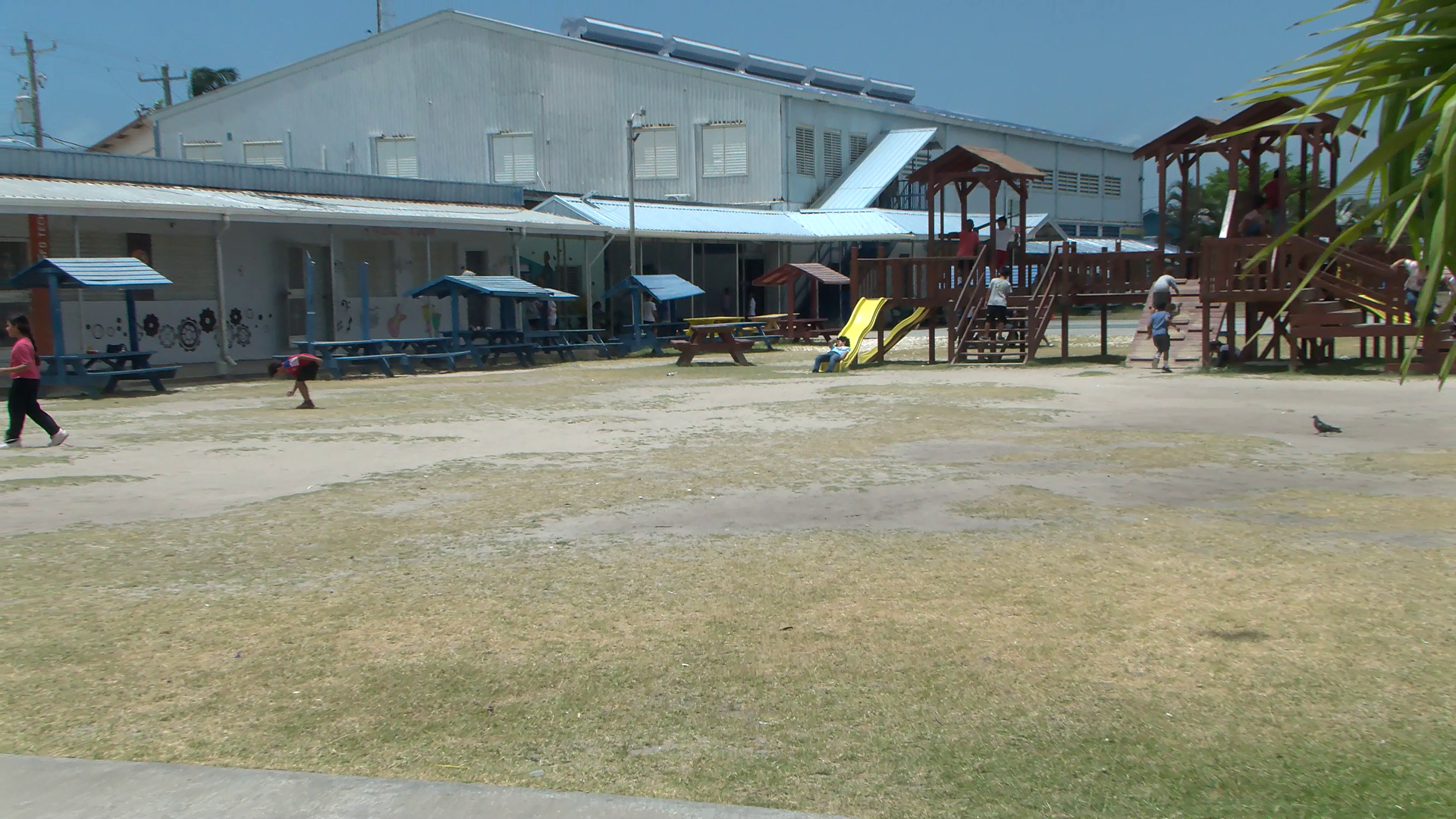
This May, unseasonably high temperatures and oppressive humidity have pushed thermal comfort to its limit for students and staff across the country, with one of the hardest-hit institutions being Belize Elementary/High School in the heart of Belize City. On a recent visit mid-morning, official thermometers registered a relatively moderate 90 degrees Fahrenheit, but thick 66 percent humidity pushed the real-feel temperature well past the 100-degree mark. Inside unairconditioned classroom walls, the stifling heat does not dissipate as the day goes on; by early afternoon, temperatures climb even higher, leaving both learners and educators drained and struggling to concentrate.
School administrators moved quickly to implement low-cost, practical adaptations to protect student health and preserve learning continuity for the final weeks of the academic year. The most visible change comes to the school’s dress code: the standard formal button-up uniforms made of heavy traditional fabrics have been temporarily set aside, and students are now permitted to wear lightweight casual clothing that supports better air circulation and heat dissipation.
Beyond policy changes to uniforms, the school has prioritized constant hydration, widely recognized as the first line of defense against heat-related illness. Water coolers are positioned across the entire campus, and administrators have relaxed rules banning personal drinks in classrooms. Students are now allowed to keep full water bottles at their desks and refill their containers as often as they need throughout the school day.
Principal Majiba Sharp told reporters that the flexible, quick adjustments have already delivered clear, positive results in the school’s daily operations. Before the changes, many younger students complained constantly about the oppressive heat, and school staff were concerned about cases of heat exhaustion or fainting among learners. Since implementing the new rules, Sharp reports that there have been no heat-related fainting incidents, far fewer complaints from students, and a noticeable reduction in the grogginess and lethargy that made afternoons unproductive just weeks ago.
Teachers echo Sharp’s assessment, noting that while the classroom environment remains far from cool, the small adjustments have made a major difference in students’ ability to stay focused and engaged through the end of the school day. With climate projections showing that early summer heatwaves will only grow more intense and more frequent in the Caribbean region in coming years, the low-cost adaptations tested at Belize Elementary could serve as a model for other schools across the country grappling with rising temperatures. For now, administrators say they will keep the temporary measures in place for the remainder of the term, prioritizing student safety and health as temperatures continue to climb.