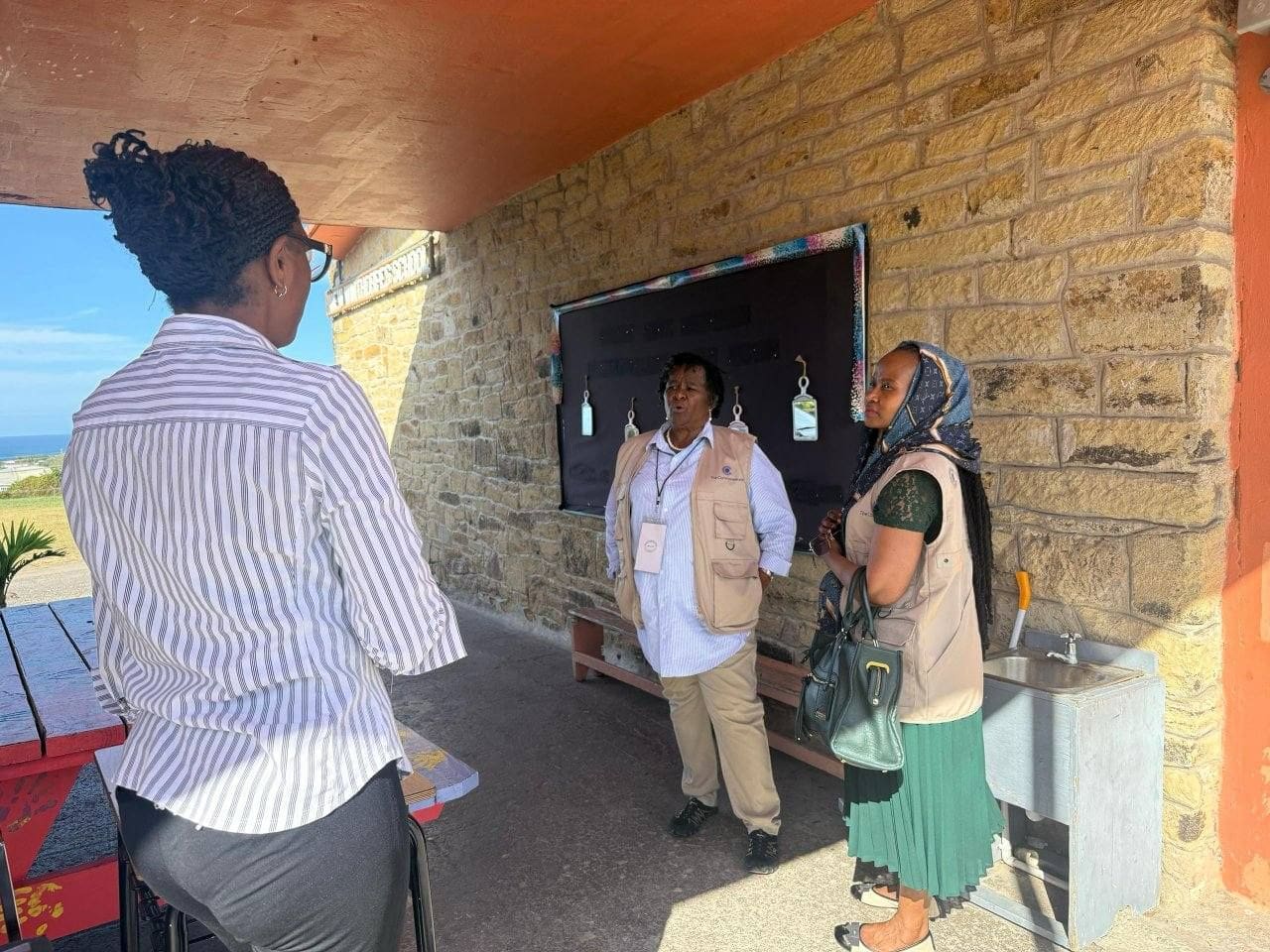
As Antigua and Barbuda prepares to hold its nationally awaited general election this Thursday, international oversight has officially kicked into gear, with Commonwealth observer teams spreading out across the twin-island nation to vet pre-voting preparations. The mission is designed to uphold transparency and cement the credibility of the democratic process, one of the core mandates of the Commonwealth’s electoral observation work.
Heading up the deployment is Pelonomi Venson-Moitoi, Botswana’s former Minister of Foreign Affairs, who occupies the role of Chairperson for the Commonwealth Observer Group. Under her leadership, members of the mission have been traversing every region of Antigua and Barbuda, conducting on-site checks at both polling stations and vote counting centres to gauge how ready these facilities are for the April 30 ballot.
This Commonwealth deployment is not an isolated effort. It forms a key component of a wider international observation initiative, with all participating teams mandated to evaluate whether pre-election conditions and the upcoming conduct of the poll align with globally accepted democratic standards. Over the course of their pre-election work, observers are focusing on a range of critical areas: from the logistical arrangements that will allow voting to run smoothly, to whether all stakeholders are adhering to national electoral laws, and the overall political and social environment in which citizens will cast their ballots.
Beyond assessment, the presence of independent observers serves a broader purpose: boosting public trust among Antigua and Barbuda’s electorate that the process will be fair and free of manipulation. Once voting is completed, the mission will compile its full observations, identify any strengths or shortcomings in the process, and publish a detailed post-election report laying out its findings.
The outcome of this general election will shape the next half decade of governance in Antigua and Barbuda, as voters head to the polls to select the country’s next governing body. Given the nation’s position in the Caribbean and its ties to the Commonwealth and other international blocs, the vote is drawing close attention from both domestic stakeholders and the international community as a whole.