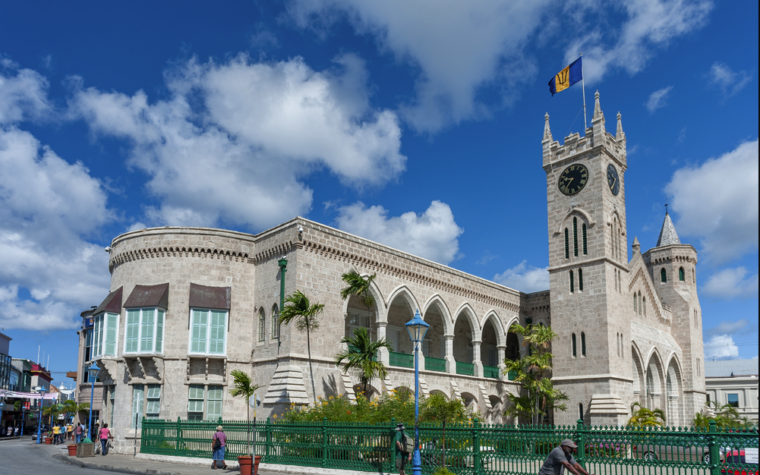
Facing a growing demographic crisis driven by shrinking birth rates, sustained population shrinkage, and an aging national workforce, Barbados has introduced sweeping updates to its immigration and citizenship legislation to shore up long-term economic stability. Home Affairs Minister Gregory Nicholls presented the amended Immigration and Citizenship bills to the country’s House of Assembly on Wednesday, framing the reforms as a urgent response to decades-long demographic shifts that have begun to erode the island nation’s economic standing.
Nicholls outlined the gravity of the challenge facing Barbados, noting that decades of declining fertility rates, sustained out-migration of skilled workers, and stagnant population growth have pushed the country into a clear period of demographic contraction. A comparison of 60 to 70 years of population data reveals a stark reversal from steady growth to consistent decline, a trajectory that already threatens core government functions and national competitiveness, the minister argued. “This shrinking and ageing population threatens to undermine long-term GDP growth, our capacity to fund our pensions, our capacity to be able to deliver on our social services and also all the other services that the government provides,” Nicholls told lawmakers. “This erosion of the productive population threatens the nation’s competitiveness; it limits our ability to attract investment and be able to make good on all of the things that we want to say attracts people to Barbados.”
With official growth targets enshrined in the country’s 2026 Barbados Economic Recovery and Transformation Programme at stake, the government has overhauled existing immigration and citizenship frameworks to expand access to residency, formalize longstanding uncodified administrative practices, and open new pathways for permanent residency for high-potential migrants. Many flexible residency and work permission arrangements have been used by immigration authorities for years, but existed only as informal administrative policies rather than formal statutory law. The new legislation codifies these practices, streamlines application processes, and extends protections to spouses and dependent family members of legal residents who previously fell outside formal eligibility requirements, strengthening family stability for people already residing in Barbados.
A centerpiece of the reform is the expansion of permanent residency eligibility, which now explicitly includes spouses of Barbadian citizens, financially independent retirees, and their dependents — including minor children and adult dependents with disabilities. Previously, many spouses of citizens were only eligible for temporary visitor status, creating unnecessary strain on cross-border families. The legislation also eliminates the outdated “immigrant” categorization and introduces a first-of-its-kind merit-based points assessment system for permanent residency applicants.
Under the new merit-based framework, applicants earn points across eight key criteria: age, Barbadian ancestral lineage, educational attainment, professional skills, work experience, available financial resources, and senior diplomatic or international public service experience. Applicants must reach a 10-point threshold to qualify for permanent residency. Nicholls explained that the targeted system is designed to counter the ongoing brain drain of skilled Barbadian workers who have relocated abroad, by attracting skilled new migrants to strengthen the domestic labor market.
Beyond addressing labor gaps, the reforms are crafted to position Barbados as a leading regional hub for global investment and innovation. By formalizing flexible residency pathways for entrepreneurs and skilled workers, the government aims to draw in foreign business founders who bring new technologies and commercial activity to the island, building a competitive advantage over other regional and hemispheric economies. “The bills before the chamber today, provide that legislative framework to strengthen the nation’s competitive edge in the global marketplace, which is key in attracting valuable human capital, also attracting investment, which can also promote innovation by the use of the introduction of technology from people who come to set up businesses here,” Nicholls said. “Barbados becomes a leader to attract investment of a kind and a nature in this era that other countries in the region and even in the wider hemisphere are not attracting.”
The reforms also bring Barbados’ immigration framework into alignment with its existing regional and international commitments. The legislation codifies commitments made under the Revised Treaty of Chaguaramas, which enables free movement for citizens of other Caribbean nations, and aligns with the terms of Barbados’ economic partnership agreement with the European Union. Nicholls emphasized that the updates modernize the country’s immigration system and reinforce Barbados’ reputation as a forward-looking, integrated player in global and regional affairs.
Following its introduction on Wednesday, the Immigration Bill has been referred to parliament’s joint select committee on economic policy for further review and amendment before a final vote.