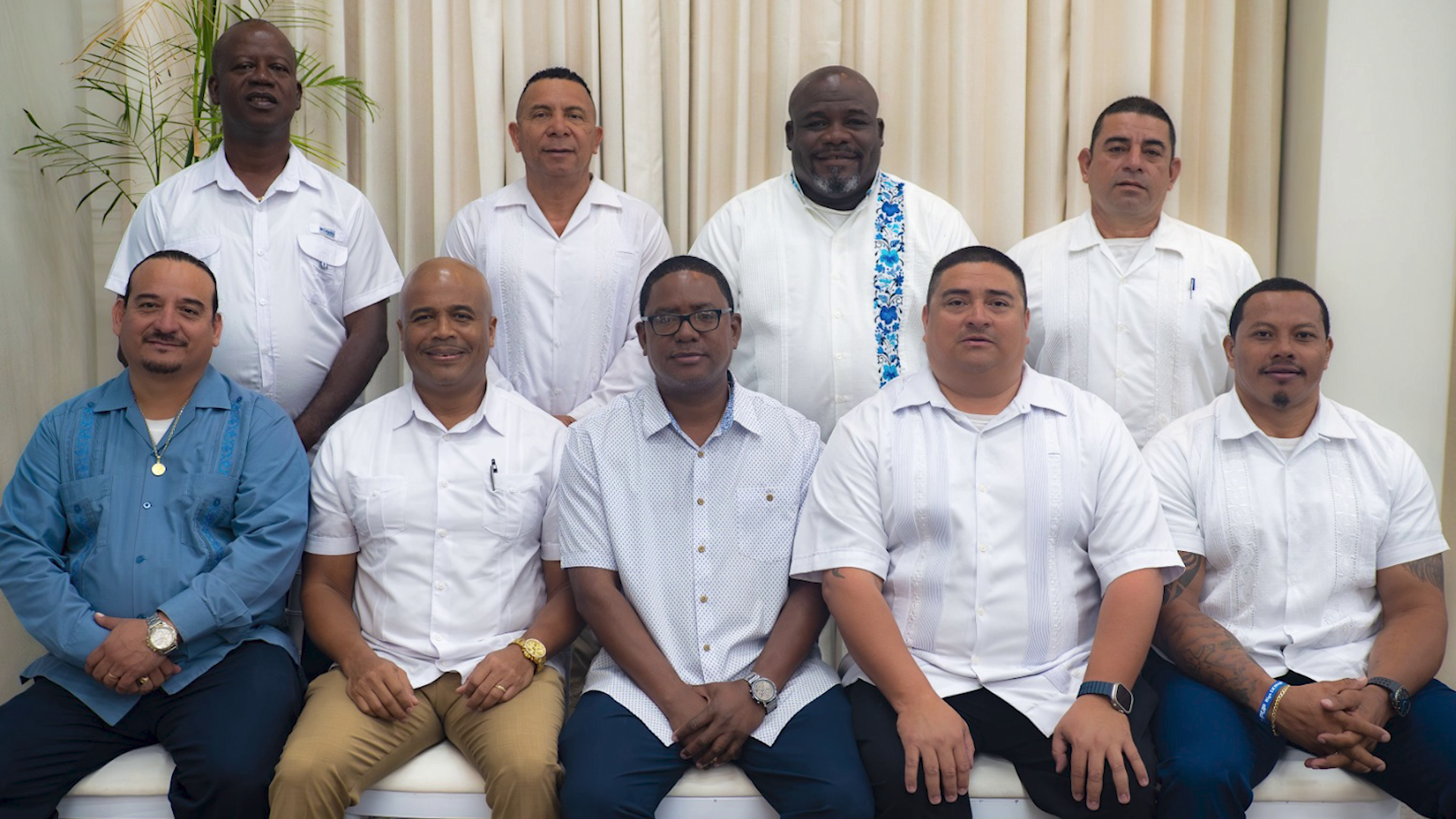
For elected mayors across Belize, serving a community is a relentless, full-time commitment that bleeds into weekends and personal time, but once their terms end, all official benefits vanish immediately. Now, the Belize Mayors Association (BMA) is pushing to correct what it calls a longstanding unfair gap in policy, launching a renewed push for formal pensions, severance packages and other post-service benefits for municipal leaders who dedicate years of their lives to public office.
The campaign comes as current and former mayors highlight the unending demands of the role. Corozal Mayor Rigoberto Vellos, who also serves as president of the BMA, has spent nearly a decade in office and says the daily workload leaves little room for outside employment or private retirement savings. “I’m here every day,” Vellos explained in an interview with local outlet News Five. “In the morning I’m out inspecting public works, and in the afternoon I’m back here meeting residents and processing administrative work, five days a week without exception.” Vellos, who is running for re-election in March 2027, noted that dozens of mayors across the country have served multiple terms, and all will leave office with no financial safety net when their tenures end. “We just want a framework in place that compensates these leaders for the years of hard work they put in for their communities,” he said. “This is an issue we’re prioritizing, and we’re working to get legislation approved by the national government to make it a reality.”
Even mayors not running for re-election are throwing their weight behind the campaign, arguing that the reform is about principle, not personal gain. Belize City Mayor Bernard Wagner, who will step down at the end of his current term, has emerged as one of the most vocal advocates for the change. Wagner points out that rank-and-file public servants across Belize already receive post-service retirement benefits, and municipal leaders who bear greater responsibility deserve the same security. “Some mayors serve 10 years or more across three terms, and many former mayors have faced real financial hardship after leaving office,” Wagner said. “If ordinary public servants get to enjoy retirement benefits, why shouldn’t our mayors, who take on far heavier and more visible demands?”
Longest-serving mayor Earl Trapp, who oversees the municipalities of San Ignacio and Santa Elena, says the fight for benefits dates back decades. Trapp, who has served in public office for more than 20 years, confirmed that he will also leave office with no severance or pension when his tenure ends, because no provision for mayoral benefits exists in Belize’s current Town Council Act. “This is a fight that started back when Darell Bradley was mayor,” Trapp said. “Successive national governments have refused to amend the Act to create a pension framework for municipal leaders, even though it’s only fair: if you work for years serving your community, you deserve compensation when you leave.”
As the BMA advances its proposal, it has reignited a broader public debate: should municipal leaders get long-term financial security after leaving office, or is the lack of benefits just an accepted sacrifice of elected office? Critics argue that adding new pension benefits would place an unnecessary financial burden on Belize’s taxpayers, but proponents counter that denying benefits to long-serving mayors that all other public employees receive is fundamentally unfair. For now, the BMA continues to lobby the Ministry of Finance and national government leaders to move the reform forward. Shane Williams contributed reporting for News Five.