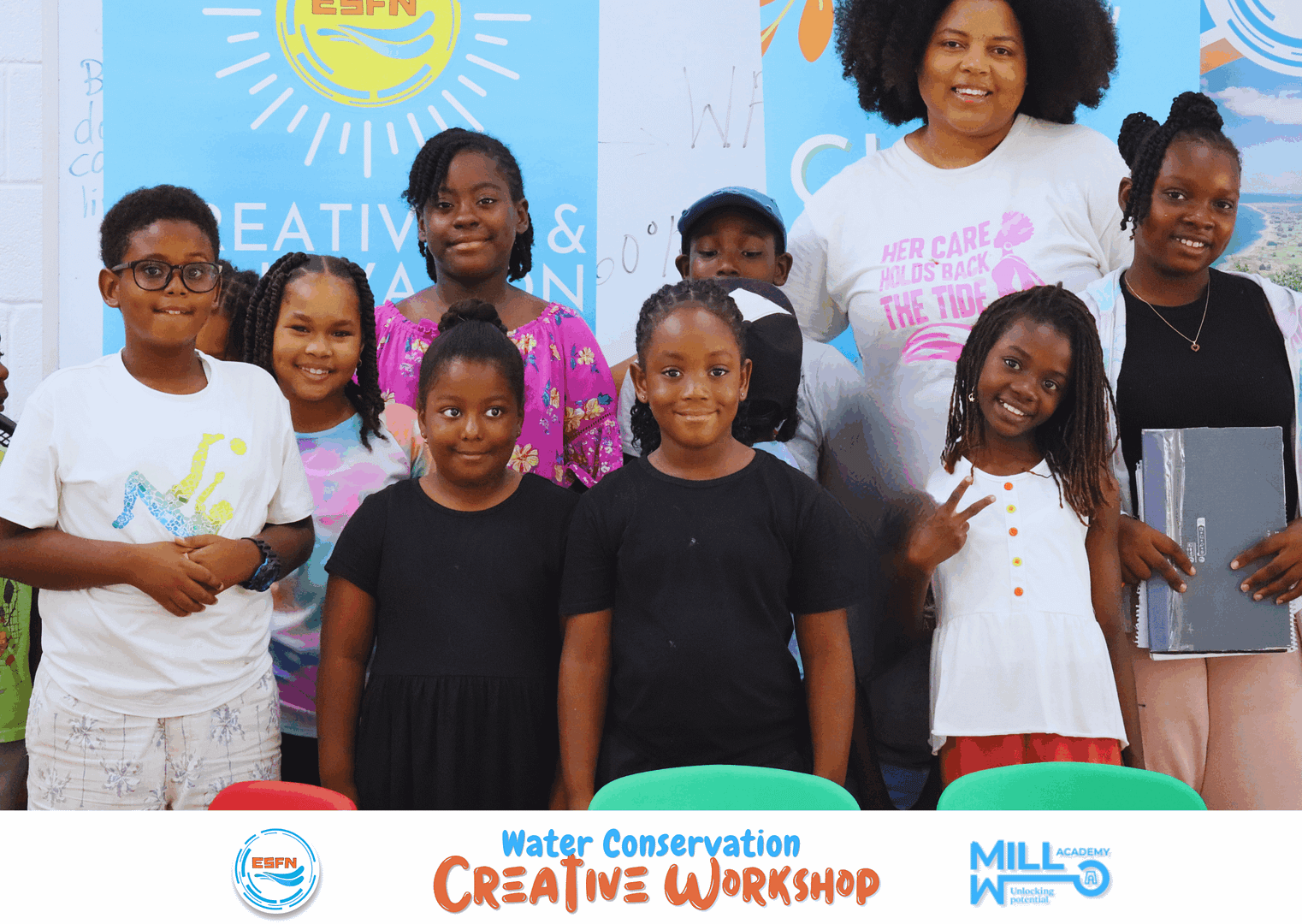
In a proactive push to embed environmental stewardship in younger generations, the EcoShores Sustainable Futures Network (ESFN) brought its innovative Water Conservation Creative Workshop to Mill Academy this April, turning learning about resource protection into an interactive, engaging experience for participating students.
Designed to connect everyday personal choices to global water security, the workshop opened a space for young participants to brainstorm practical, accessible changes that cut down on unnecessary water waste. From the first activity, the room buzzed with palpable excitement: students leaned into discussions, sharing straightforward yet impactful habits they could adopt at home, such as shutting off taps mid-tooth-brush, harvesting rainwater for gardening, and cutting out routine overuse of water in daily chores. These thoughtful, grounded suggestions did more than showcase student engagement — they reinforced a core truth of environmental action: meaningful conservation grows from early education and consistent, small-scale choices made by individuals across communities.
Unlike traditional classroom lessons on sustainability, the ESFN event blended educational content with hands-on creative expression, aligned with global observances for World Water Day. Students first completed guided worksheets that mapped out how local and global communities rely on clean freshwater systems, then translated their new understanding into visual art, using color and drawing to bring their water-saving ideas to life. The vivid, diverse artworks not only sparked deeper conversations about collective water protection but also highlighted values of diversity and inclusion through the creative process, tying individual expression to a shared global mission.
Beyond the workshop activities, participating students added their perspectives to ESFN’s ongoing World Water Day community initiative, first launched during a creative expression event held March 21, 2026. Each student’s drawing and personal message about water conservation became a new contribution to a growing public record of youth-led environmental thought, weaving young voices into a larger narrative of innovation and stewardship. The workshop itself wrapped up by reaffirming two core priorities: the urgent importance of protecting global water resources, and the critical role of education in empowering coming generations to lead climate and conservation action. By centering youth voice and combining discussion with hands-on creative work, ESFN has continued its track record of nurturing both a sense of responsibility and imaginative problem-solving among young people — ensuring the call for water protection is carried forward with renewed energy and optimism.
As a registered non-profit organization, ESFN focuses its work on advancing sustainability, environmental conservation, and community power across Small Island Developing States (SIDS) and the Southern United States. The organization targets a range of pressing interconnected challenges, from climate justice and biodiversity loss to youth development, technological innovation for sustainability, and environmental education. Through a portfolio of public initiatives including the ESFN Volunteer Explorer Program, World Wetlands Day Awareness campaigns, the Build Your Future youth development program, Community Swim Program, and the Endeavour Publication, ESFN cultivates creative, community-led solutions to protect marine and coastal ecosystems, with the end goal of building a more resilient, sustainable future for all groups. A core commitment of the organization is amplifying creative media and cultural expression from vulnerable communities, with a consistent focus on centering youth leadership and engagement in all its work.