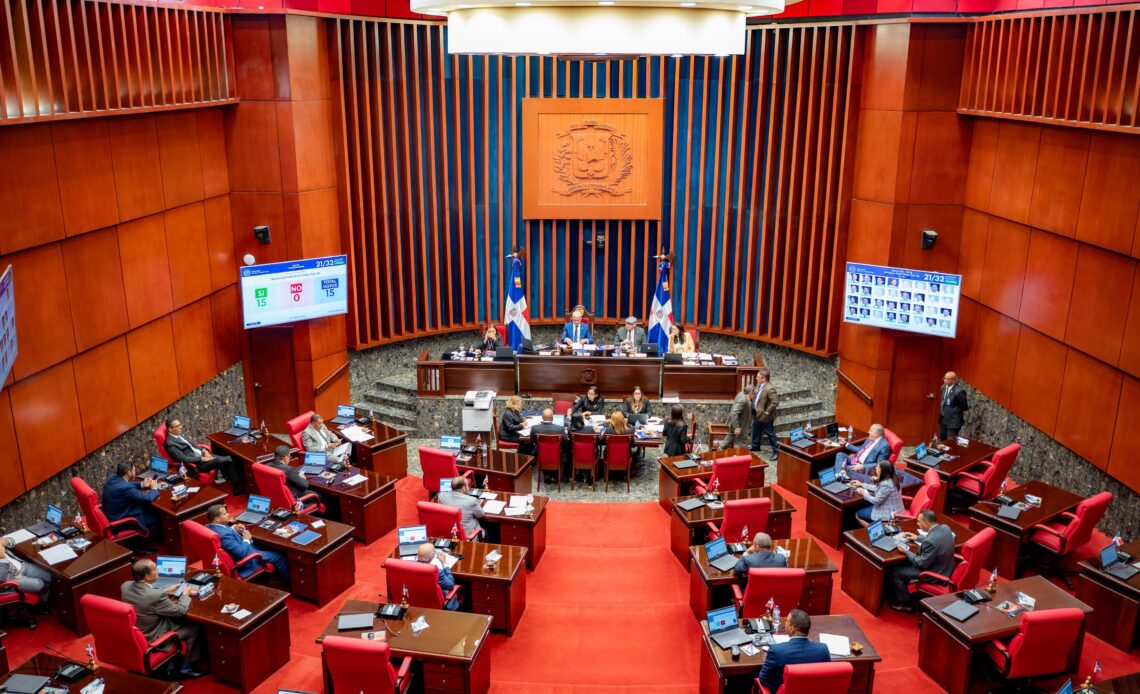
In a key step to clean up the Dominican Republic’s property market, the national Senate has given preliminary approval to a sweeping piece of legislation designed to oversee real estate brokerage services and crack down on deceptive advertising. The reform is rooted in growing concerns over unethical practices and rising consumer fraud in the country’s booming real estate sector, with lawmakers aiming to bring clearer accountability and structure to property transactions.
The bill was put forward by a cross-group trio of sitting senators: Rafael Barón Duluc, Félix Ramón Bautista, and Eduard Alexis Espiritusanto. At its core, the legislation sets mandatory ethical and transparency benchmarks that cover every stage of real estate activity, from initial property promotion and marketing through to the final execution of sales or rental agreements. Unlike loose existing guidelines, the new framework is built to protect all stakeholders in the sector – not just prospective home buyers and tenants, but also licensed agents and registered agencies, while fostering sustainable, orderly growth across the industry.
To align the new rules with existing national consumer protection legislation, the bill formalizes a clear definition of misleading advertising. Any commercial messaging that misleads consumers about core property details – including structural features, unit availability, listed pricing, purchase agreement terms, or promised move-in deadlines – will be classified as a violation, matching the standards already set out in the country’s existing Law 358-05 on Consumer Protection. The legislation carves out key exceptions to avoid overreach: it does not apply to private property owners selling their personal residences directly, nor to legal professionals carrying out their standard advisory duties during property transfer processes.
To enforce the new standards, the bill outlines a tiered system of penalties for violators. Sanctions range from temporary operational shutdowns and license suspensions to financial fines that can reach as high as 50 times the country’s current minimum wage. Oversight and enforcement of the new rules, if the bill passes its final reading, will be assigned to the Dominican Republic’s Ministry of Housing, Habitat and Buildings, which will set up a dedicated specialized department to handle agent registration, ongoing regulatory compliance, and regular monitoring of all real estate intermediation activities across the country.