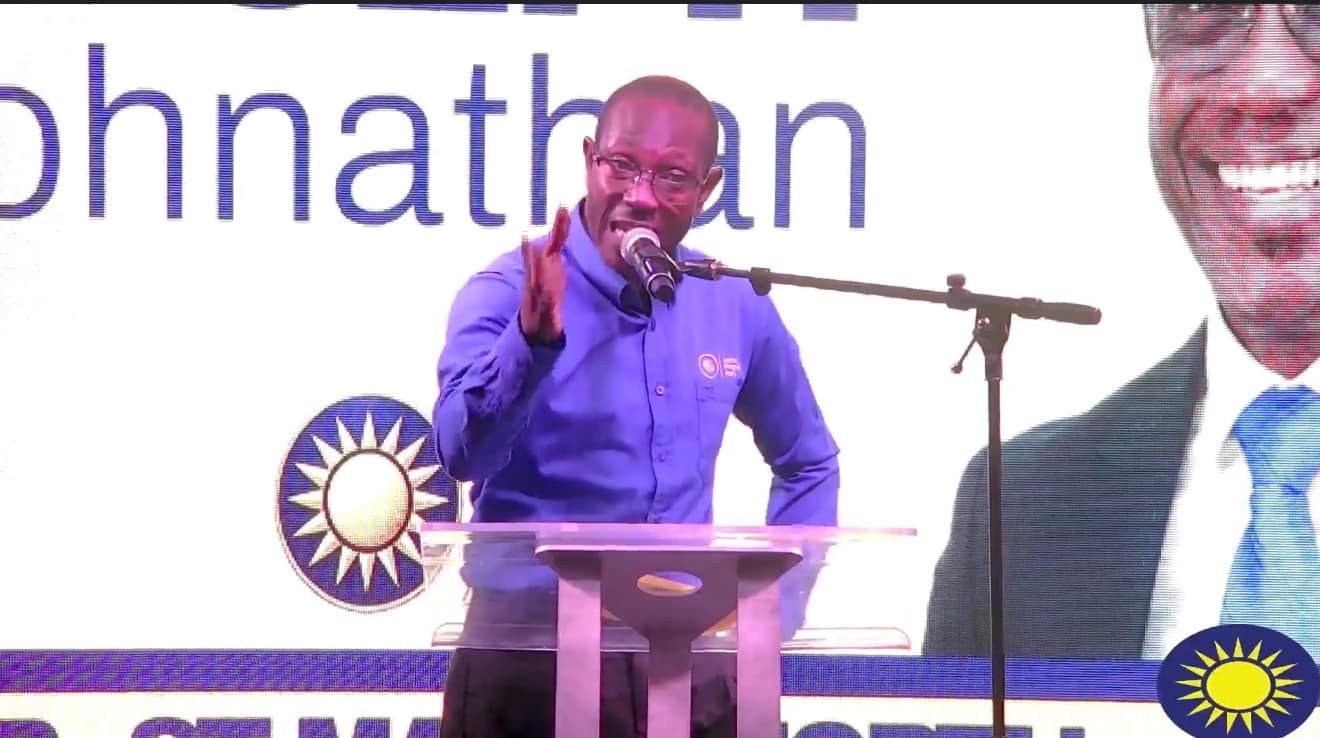
Ahead of Antigua and Barbuda’s April 30 general election, opposition United Progressive Party (UPP) candidate for the St. Mary’s North constituency Jonathan Joseph has drawn a stark spotlight on the island nation’s broken cancer care system, delivering a searing indictment of the current administration’s failures and promising sweeping emergency reforms if his party secures power.
Speaking to a packed rally of supporters, Joseph opened with raw emotion, describing the daily suffering of local cancer patients as an unacknowledged “hell” that ruling officials have chosen to ignore. He emphasized that the crisis is expanding at an alarming rate, with growing numbers of women and even young adolescents now facing barriers to life-saving care that have pushed many into avoidable suffering.
Rooting his critique in on-the-ground experience from his own constituency, Joseph shared the devastating story of a local mother with cancer who delayed her own treatment to prioritize care for her sick young daughter, ultimately passing away before her child recovered. This case, he argued, encapsulates the systemic failure that has turned healthcare into a political afterthought rather than a compassion-centered public service. He stressed that the fundamental mission of any public health system should be to help sick people heal, a mission the current government has abandoned entirely.
The core of Joseph’s campaign pledge centers on reopening Antigua and Barbuda’s shuttered national cancer center as an urgent first priority. He told the crowd that a UPP administration would move quickly to restore full operations at the facility, arguing that every day of delay inflicts unnecessary harm on vulnerable patients. “Because people matter,” he emphasized, framing the commitment as a non-negotiable moral obligation rather than a political talking point.
Beyond the cancer center, Joseph outlined broader plans to overhaul the nation’s public healthcare system, including extending operating hours at community health clinics to expand access for working families and low-income residents who cannot take time off work for routine and specialized care. He asserted that the UPP brings the necessary expertise, local talent, and political will to build a world-class healthcare system that would stand as a model for the entire hemisphere.
Joseph did not mince words in his criticism of the incumbent government, arguing that the administration has turned the nation’s healthcare system into a mockery, leaving critical infrastructure and services in total disarray. He called the current state of public health an outright crisis, insisting that only the UPP has the commitment and capability to fix the systemic failures that have left cancer patients and other vulnerable groups without adequate care.
Tying his own political legacy to the issue, Joseph stated that it would be a permanent stain on his record if he took office and allowed the current unacceptable state of healthcare to remain unchanged, urging voters to view the upcoming election as a turning point for public health. Closing his remarks, Joseph emphasized that this is not an abstract political debate: it is a matter of life and death for real local residents, and voters have the power to change the outcome for themselves and their vulnerable loved ones. He ended with a direct call for voters to back the UPP on election day, arguing that meaningful, lasting change for cancer patients and all residents depends on electing a new government that prioritizes people over politics.