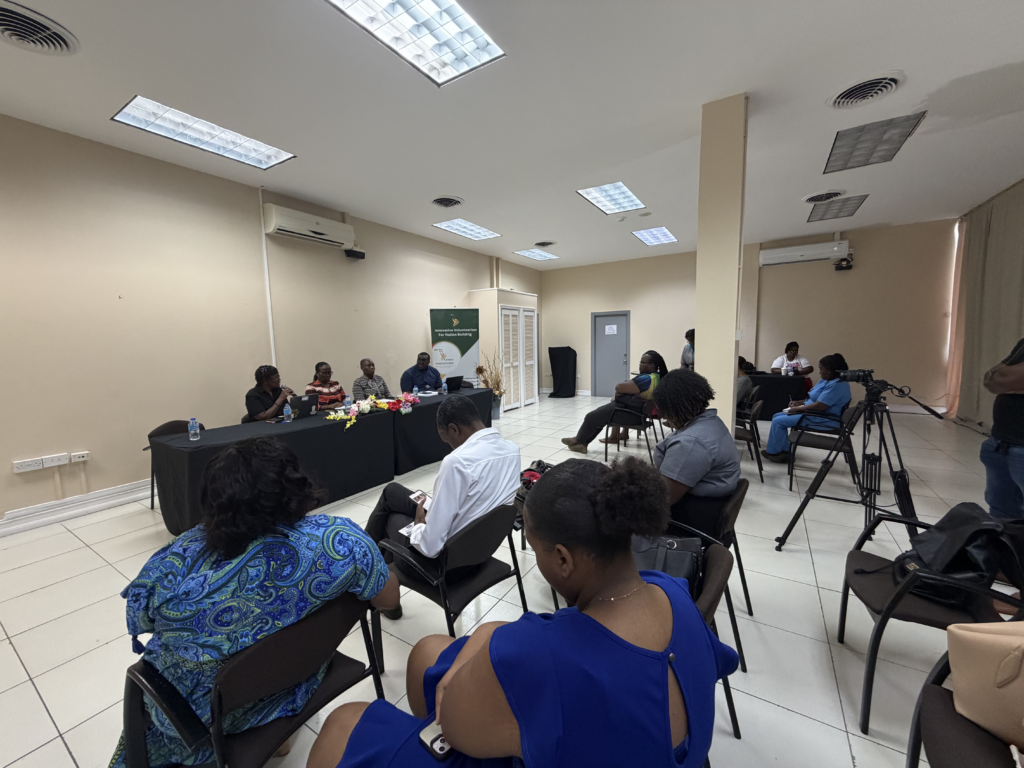
Against a backdrop of persistent inequality for underrepresented groups across the Caribbean island nation, the Do-Nation Foundation Inc. has brought together cross-sector experts and community advocates for the Unified Voices Panel Discussion, a cornerstone event of the organization’s flagship initiative “Unified Voices: Engendering Change Through Peace”. Designed to fill critical gaps in public discourse around equity, the forum established a structured, accessible space for frank, solution-focused dialogue on four pressing issues: human rights, social inclusion, youth empowerment, and systemic social equity in Saint Lucia.
The event drew a diverse panel of voices spanning government, law enforcement, and grassroots community organizing, ensuring a breadth of perspectives rooted in both professional experience and on-the-ground community work. Participants included Janey Joseph, Director of Gender Relations, Inspector Sisley Baptiste from the national Vulnerable Persons Team, and Maria Fontenelle, a representative of the Saint Lucian community organization Colours of Iyanola. Each speaker drew from their unique backgrounds to outline ongoing barriers to equity, and collectively reinforced the urgent need for expanded inclusive policy and deep-rooted systemic change across Saint Lucia’s public and private institutions.
Core topics of the discussion spanned the most pressing unaddressed challenges facing marginalized groups across the country: from systemic disadvantages faced by rural women and people living with disabilities, to the continued social and legal marginalization of LGBTQIA+ community members. The central goal of the conversation, organizers noted, was twofold: to amplify the voices of groups that are routinely excluded from mainstream policy discourse, and to inspire cross-community collective action to build a more inclusive, peaceful Saint Lucian society.
Zachary Hippolytte, a human rights consultant with the Do-Nation Foundation who served as the panel’s moderator, framed the discussion as both a timely and long-overdue intervention in national equity work. He emphasized that the event’s unique value stemmed directly from its commitment to centering diverse lived experience, noting that “Our panellists… brought diverse backgrounds and …experiences when it comes to the human rights of the individuals.”
While acknowledging that public conversations around equity have advanced in recent years, Hippolytte stressed that major gaps between rhetoric and tangible action remain. Citing ongoing systemic barriers that limit access to services and justice for vulnerable Saint Lucians, he remarked, “Folks, we have a lot of work to do, especially when it comes to services and justice.” He highlighted the specific unaddressed challenges facing the Deaf community in Saint Lucia, pointing to widespread gaps in accessible public information: “For example, for Deaf men and women… it is very important that we still deal with situations where those citizens don’t have access to… watching our news because there is no sign language interpreter being broadcast over our news stations.” Hippolytte framed this accessibility gap as a critical, underdiscussed issue that demands immediate policy attention.
Beyond highlighting ongoing challenges, the panel outlined a clear path forward centered on coordinated policy reform and sustained grassroots advocacy. Per Hippolytte, projects like Unified Voices are intentionally designed to shift public awareness and pressure national decision-makers to prioritize equity. He called for tangible, actionable policy changes that would expand accessibility and political representation for marginalized groups across the country, noting that the project’s core mission is to “create this awareness so that our leaders could ensure that they implement policies that could ensure that these individuals… can feel that they were part of our solution.”