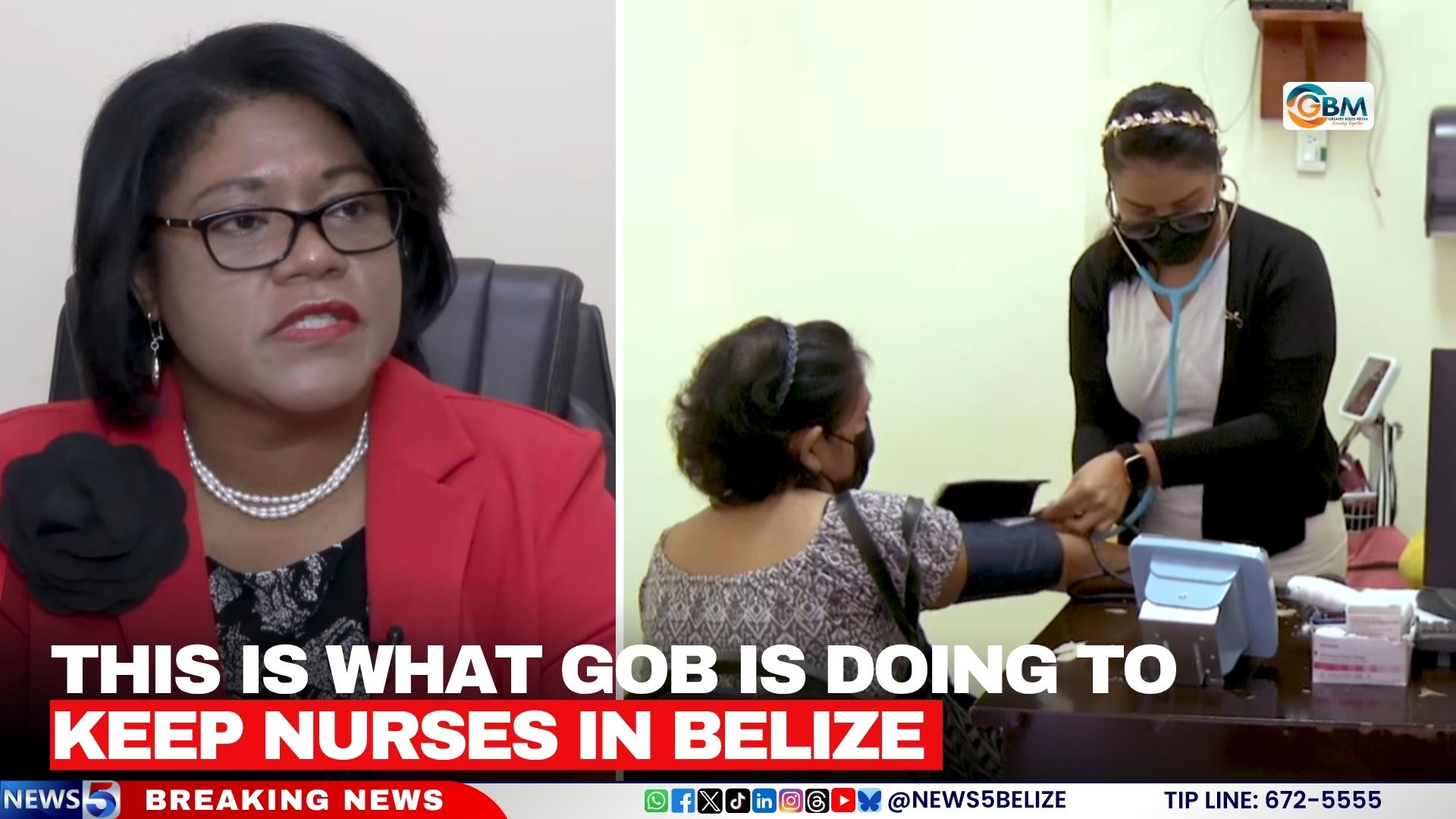
Against the backdrop of a worsening global nursing shortage that has pushed thousands of healthcare workers to migrate abroad in search of higher compensation, the Government of Belize (GOB) has rolled out a targeted retention package designed to keep local nursing talent in the country. This policy initiative marks a proactive step to protect the nation’s domestic healthcare system from the broader staffing crisis impacting healthcare sectors worldwide. The first phase of the retention program was rolled out during the 2025/2026 national budget cycle, and it is structured first and foremost to recognize the longstanding commitment of nurses who have continued to serve communities across Belize. Chief Nursing Officer Lizett Bell explained that the package introduces a suite of new and expanded financial benefits that adjust compensation to match the demanding work nursing professionals carry out. Under the new terms, every practicing nurse in Belize will receive a specialist allowance equal to 10% of their annual base salary. The existing annual uniform allowance has also been lifted from $300 to $500 to help cover the cost of required work attire. Additionally, the government has added three new targeted allowances: a $200 monthly hazard payment for work involving elevated health risks, a dedicated night shift allowance for nurses working after-hours rotations, and a $300 monthly responsibility allowance for nurses required to participate in on-call rotations. Bell emphasized that the on-call allowance fills a longstanding gap in nurse compensation, noting that for years, nursing professionals have been required to be available for emergency shifts outside standard working hours with no extra pay, and the new benefit offers meaningful recognition for this constant availability. Initially, the Karl Heusner Memorial Hospital (KHMH) — the country’s leading public medical facility — was not included in the first phase of the retention package. However, after hospital leadership raised concerns and held discussions with the Ministry of Health, officials agreed to add KHMH to the program. KHMH CEO Sharine Reyes told local outlet News Five that the hospital is currently compiling staffing data and total cost projections for the allowances to support the ministry in finalizing the rollout of benefits for its nursing workforce. Belize’s policy intervention comes as many small and middle-income nations grapple with the outflow of skilled healthcare workers to higher-income countries that offer far higher wages and better working conditions. By addressing the core financial push factors that drive nurse migration, GOB aims to stabilize staffing levels across local healthcare facilities and ensure continued access to care for Belizean residents.