A global public health monitoring effort is underway after a hantavirus outbreak emerged aboard the cruise vessel MV Hondurus, with the Caribbean nation of Saint Lucia confirming it remains at low risk of local transmission as authorities track the evolving situation.
The cruise ship set sail from Argentina on April 1, carrying a diverse group of passengers and crew representing 28 nationalities. As of May 11, the outbreak has been linked to nine reported hantavirus infections, three of which have resulted in fatalities. Five of the nine cases have received formal laboratory confirmation, and public health investigators are continuing active surveillance to detect unreported cases and curb further spread of the pathogen.
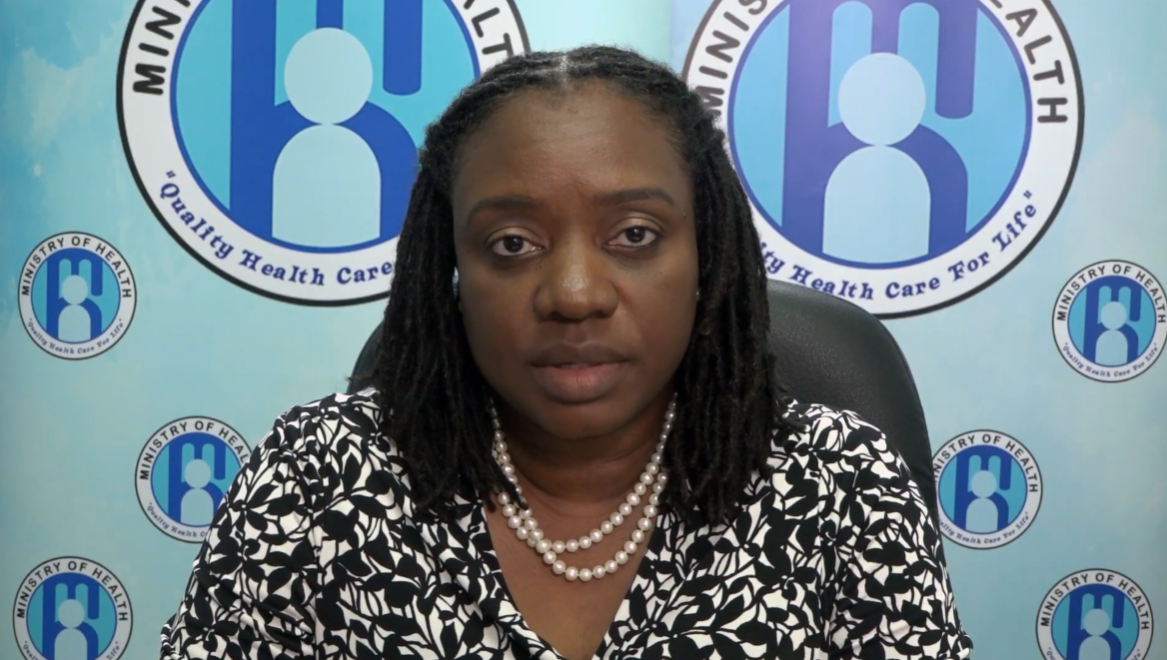
In an official public statement released Tuesday, Dr. Michelle Francois, Saint Lucia’s leading national epidemiologist, reaffirmed the island’s current risk status. “At present, Saint Lucia is considered to be at low risk for hantavirus transmission…. At this time, there are no suspected or confirmed cases of virus in Saint Lucia,” she stated.
Francois explained that all nations with citizens who disembarked from the infected vessel are coordinating closely with global public health agencies to conduct ongoing monitoring of all exposed passengers and crew for early signs of infection. Health authorities have also received notification that one Caribbean national onboard the ship may have been exposed to the virus, but the government of that country has since confirmed no suspected or confirmed infections have been detected within its borders to date.
Per the epidemiologist, the World Health Organization (WHO) has also assessed the global public health risk posed by the outbreak as low, though officials note that additional cases may still surface in coming weeks due to hantavirus’s lengthy incubation period.
For context, hantavirus is primarily a zoonotic pathogen, meaning it most often spreads to humans from direct contact with infected rodents, specifically through exposure to the animals’ urine, feces, or saliva. Limited person-to-person transmission has only ever been recorded for the Andes virus strain – the same strain connected to this current outbreak – and even this route of infection requires close, prolonged contact with an already infected individual to occur.
Common early symptoms of hantavirus infection include fever, persistent headache, muscle pain, abdominal discomfort, nausea, and vomiting. In the most severe cases, the infection can progress rapidly to dangerous respiratory complications, including persistent coughing, shortness of breath, dangerous fluid accumulation in the lungs, and even septic shock.
To support public prevention efforts, Saint Lucia’s Ministry of Health, Wellness and Nutrition has issued updated guidance for residents. People traveling to regions affected by the outbreak are advised to avoid areas known to have high rodent populations whenever possible. For anyone cleaning spaces that have been contaminated by rodents, the Ministry strongly recommends using appropriate personal protective equipment, including disposable face masks and rubber gloves, as well as effective disinfectants to reduce the risk of exposure to airborne virus particles.
Saint Lucia’s health department says it will continue to monitor all developments related to the MV Hondurus outbreak closely, and will issue timely public updates as new information becomes available.