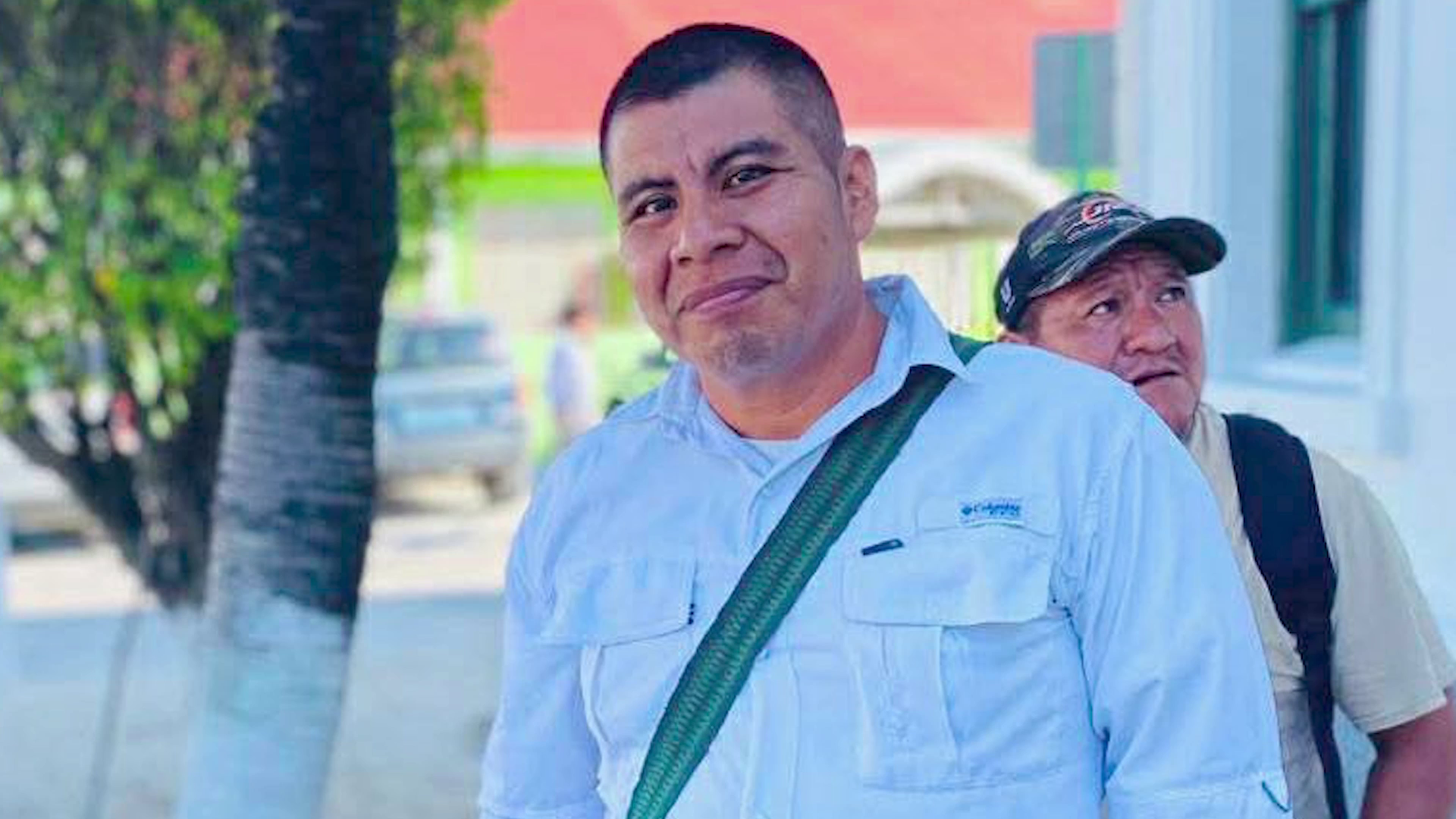
Nearly two years after a simmering leadership conflict paralyzed community life in Indian Creek, the unexpected return of First Alcalde Marcus Canti has pulled the village’s decades-long governance rift back into the national spotlight. While many residents breathed a sigh of relief after Canti’s safe return following an unexplained disappearance, the incident has also re-opened deep-seated divisions between rival leadership structures in the Indigenous community, prompting intervention from Belize’s national government and law enforcement.
In an official press briefing on April 16, 2026, Minister of Indigenous Peoples’ Affairs Dr. Louis Zabaneh confirmed the government’s long-standing commitment to resolving the dispute, noting that ongoing negotiations aligned with a Caribbean Court of Justice (CCJ) consent order are nearing their final stages. “We were always praying for his safe return and we thank God that has occurred,” Dr. Zabaneh told reporters. “Through my colleague Minister Mira, we are waiting to hear back what the police investigation will reveal. We hope that we come to a good understanding of what transpired and move from there.”
When pressed on whether the government’s recognition of both the elected village council and the traditional alcalde system fuels existing divisions, Dr. Zabaneh pushed back on the criticism, emphasizing that both bodies have operated in parallel for years and that collaborative talks are already underway to chart a path forward. “They have powers from being elected members of the village council and the alcalde system is in place. And they have been operating side by side. We have met with them, both alcalde and village council together. And we have talked about how we move forward and we hope we can continue to do that,” he explained, adding that the CCJ process is expected to conclude within a few months after years of delays.
Even as the government works toward a long-term governance solution, law enforcement is still untangling the mystery of Canti’s disappearance. Assistant Commissioner of Police Hilberto Romero, head of the National Crime Investigation Branch, confirmed that Canti returned to his Indian Creek home with minor bruises and reported physical pain, and has since received medical treatment and begun giving his official statement to investigators.
“Yesterday police went to Indian Creek where he was from. At a house in Indian Creek, he complained that he was in pain and had some small bruises. He was brought for medical attention and since that he has received treatment and now he’s being – I mean he’s given his statement and that is being done at this time,” Romero told reporters. “We are carrying out a thorough investigation and so we’ll have all the facts when his statement is concluded today.”
Multiple local residents have been detained and questioned as part of the probe, but Romero confirmed no charges have been filed to date. To prevent potential unrest amid the ongoing investigation, additional police officers have been deployed to the village to monitor tensions and prevent any escalation of conflict between rival factions. “Yes. Additional police officers are in Indian Creek monitoring the situation to prevent any further escalation,” Romero confirmed.
For residents of the small Indigenous community, the coming months will prove critical: the conclusion of the CCJ-mediated process, paired with the outcome of the investigation into Canti’s disappearance, will likely shape the future of governance and social cohesion in Indian Creek for years to come.