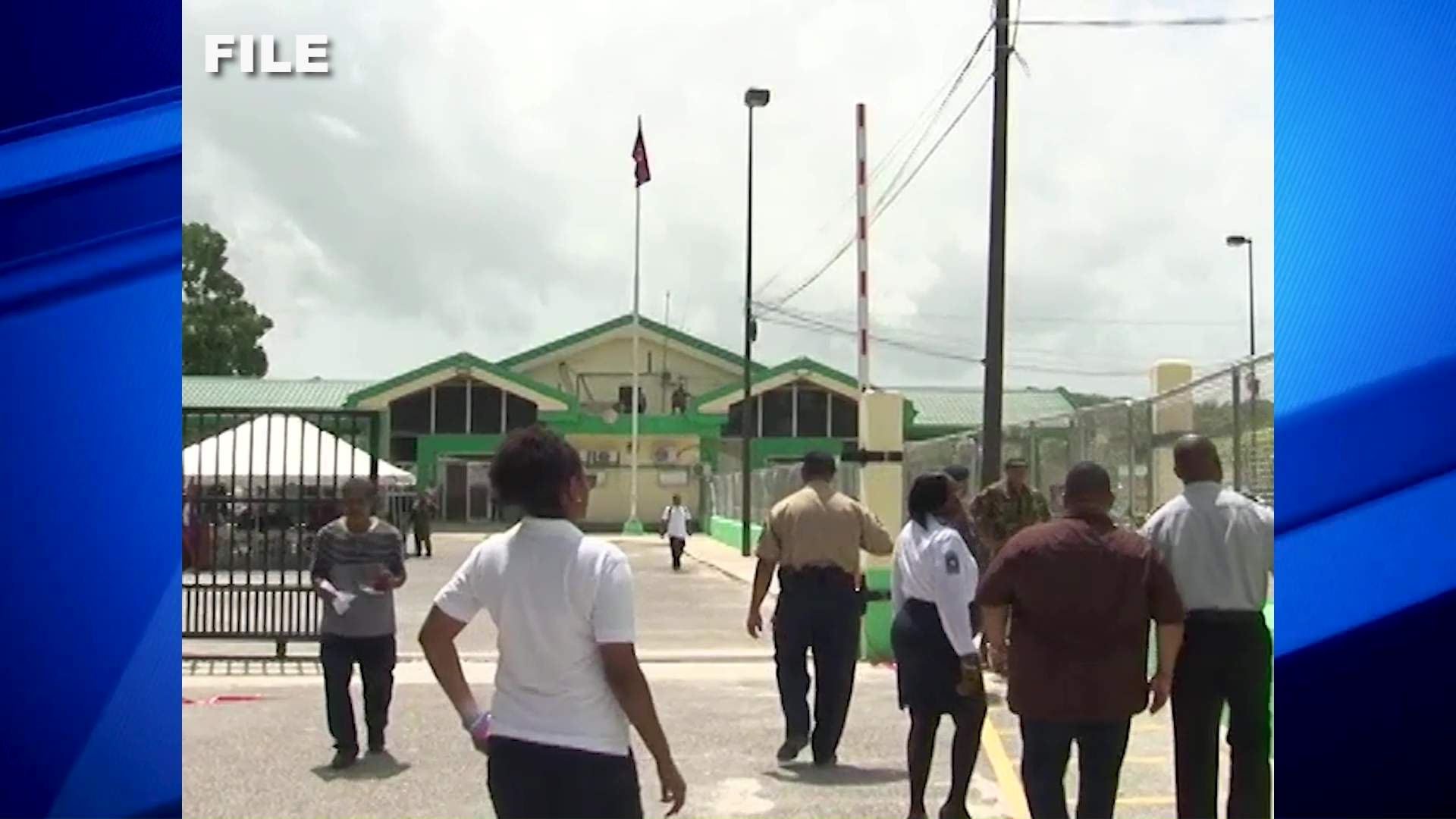
More than a week after a coordinated mass sickout disrupted critical border operations along Belize’s western boundary with Guatemala, the fallout from the industrial action continues to escalate, with the conversation now centering squarely on questions of institutional accountability and proper labor procedure.
In the wake of the widespread absence that threw immigration processing at the border into chaos, multiple participating officers have been placed on administrative leave pending an internal review, a move that has left simmering tensions running high across the entire Immigration Department. The Belizean Prime Minister has already formally labeled the coordinated sickout an illegal work stoppage, prompting a swift pushback from the Belize Public Service Union (PSU), which has threatened to launch legal action against the government, claiming immigration officials overstepped their authority in issuing the administrative leaves.
But in a recent press briefing, Public Service Minister Henry Charles Usher pushed back against the union’s claims, asserting that the government’s disciplinary actions are fully grounded in established public service regulations. Usher emphasized that while public sector employees retain the right to voice workplace concerns, all grievances must follow the formal, legislated process laid out for public sector disputes.
Addressing the PSU’s premature claims that conclusions of wrongdoing have already been reached against the officers, Usher noted that no final findings have emerged from the ongoing internal investigation led by the Ministry of Immigration. He explained that some officers did submit required medical documentation for their absences, consistent with existing regulations, but the department remains obligated to review the circumstances of the coordinated mass absence to determine if rules were broken.
Usher outlined the formal grievance process that applies to all public sector disputes: any workplace complaint must first be raised and resolved at the parent ministry level, before being elevated to the Ministry of Public Service if a resolution cannot be reached, and finally sent to the independent Public Service Commission if upper levels also fail to broker an agreement. The minister clarified that the administrative leave assignments currently in place are not punitive in themselves, but a standard procedural step required to allow investigators to conduct a full, impartial review without interference.
“I don’t see any laws being broken in our current actions,” Usher stated. Echoing the union’s call for due process, he confirmed that the government fully intends to grant all implicated officers the right to present their side of the story once the investigation’s preliminary findings are complete, consistent with regulatory requirements. Any unresolved disputes will follow the established escalation process, moving from the Ministry of Immigration to the Ministry of Public Service and beyond if necessary, he added.