The escalating military conflict in Iran and the broader Gulf region has triggered severe disruptions to global oil supplies, creating widespread economic and logistical consequences. Recent military actions and rocket attacks around the Strait of Hormuz—a critical transit route handling approximately one-fifth of global oil trade—have damaged at least four tankers and stranded over 150 vessels, resulting in one sailor’s death.
The mounting dangers have prompted major maritime insurers including Gard, Skuld, and the London P&I Club to cancel war risk coverage effective March 5th for vessels navigating the Gulf region and waters near Iran and Israel. This insurance withdrawal has triggered substantial increases in both insurance premiums and transportation costs.
Shipping through the Strait of Hormuz has virtually ground to a halt, with numerous tankers—including oil and liquefied natural gas (LNG) carriers—now anchored off the coasts of major oil-producing nations such as Iraq, Saudi Arabia, and Qatar. Iran’s closure of transit routes has particularly forced Asian governments and refineries to reassess their oil reserves and implement emergency contingency plans.
The uncertainty and supply chain disruptions have fueled dramatic price surges across energy markets. Brent crude futures jumped more than 7%, while European natural gas prices received significant upward momentum. On Monday, crude oil prices skyrocketed above $82 per barrel, reaching their highest level since January 2025.
Shipping costs from the Middle East to Asia have nearly tripled since early 2026, with benchmark rates for chartering very large crude carriers to China now reaching approximately $12 million per voyage. This surge reflects shipping companies’ increasing reluctance to assume risks in the conflict zone.
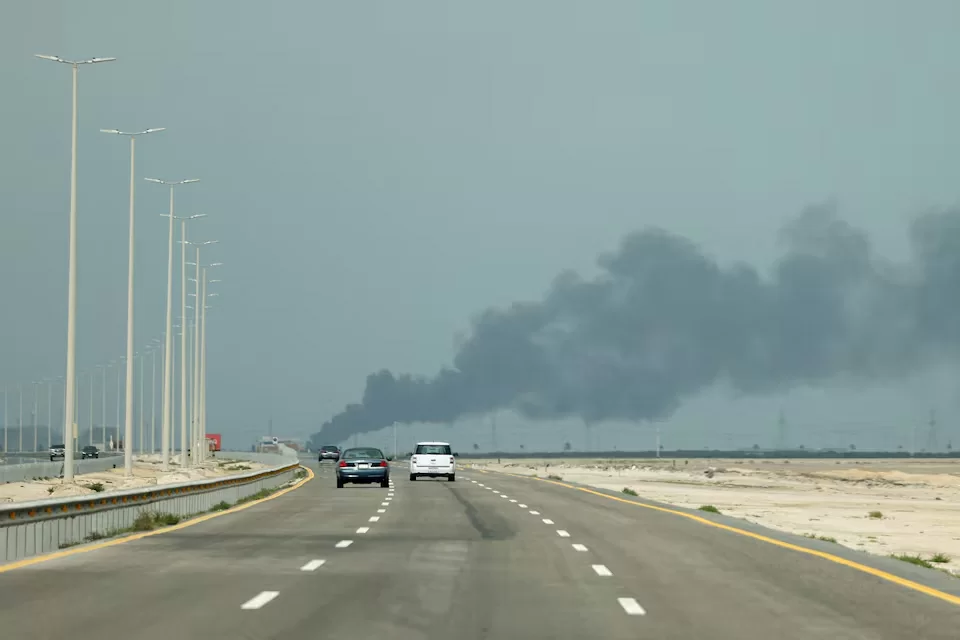
Military actions have additionally caused shutdowns of critical energy infrastructure throughout the region. Qatar, the world’s largest LNG exporter, has temporarily suspended production. Saudi Arabia closed its largest refinery at Ras Tanura following a drone attack, while precautionary measures temporarily halted operations at oil and gas fields in Iraq and Israel.
The disruption to oil deliveries is placing intense pressure on global energy markets, with ramifications for economies worldwide. Rising fuel prices are driving increased costs for transportation and manufacturing, which in turn fuels inflationary pressures and squeezes consumer purchasing power.
This situation underscores the vulnerability of global supply chains and the world’s dependence on geopolitically volatile regions for energy security. Analysts anticipate that elevated transportation costs and insurance premiums will persist as long as the conflict continues.
The international community watches anxiously to see whether diplomatic efforts can reverse the current trajectory and prevent further economic damage. For now, oil markets remain highly volatile with risks elevated, creating immediate consequences for both producers and consumers globally.