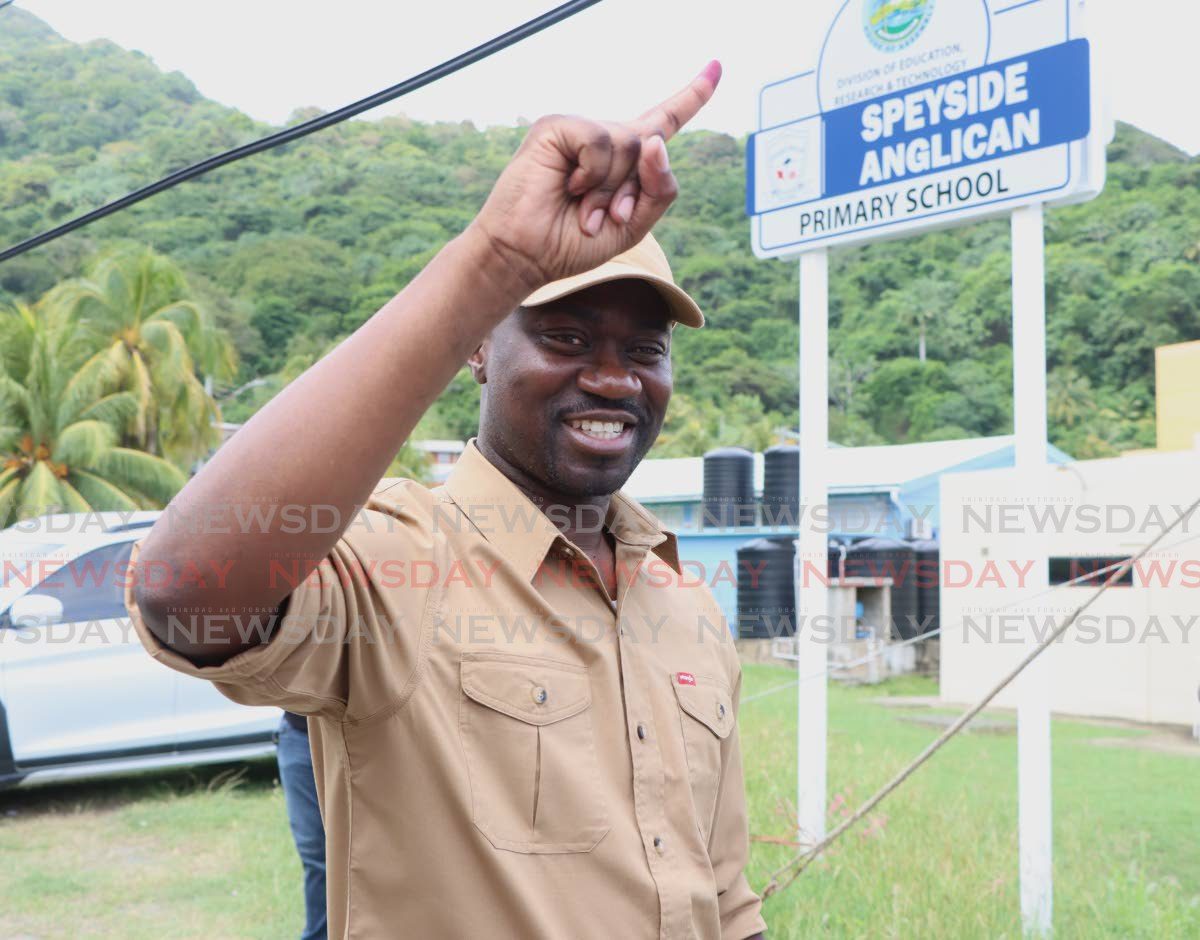
The recent electoral triumph of Farley Augustine and his Tobago People’s Party (TPP) has delivered a profound political realignment on the island territory. This decisive victory represents both a strong endorsement of Augustine’s leadership and a striking repudiation of the ruling People’s National Movement (PNM), which suffered substantial losses in the polls.
Political analysts note the outcome carries significant implications beyond Tobago’s shores. The results suggest a strategic alliance between Augustine and United National Congress leader Kamla Persad-Bissessar, evidenced by recent budgetary increases for Tobago and discussions around greater autonomy for the island. Notably, criticisms leveled against Persad-Bissessar—particularly regarding her alignment with United States interests and domestic policy measures—appeared to have minimal impact on voter behavior in Tobago.
The election results reveal a notable divergence between Tobago voters and their Trinidad counterparts. While Persad-Bissessar’s initiatives have faced considerable scrutiny nationally, Tobago’s electorate demonstrated either indifference to these concerns or prioritized local issues above national political controversies. The overwhelming support for Augustine’s platform indicates a growing appetite for political change and alternative governance approaches.
This electoral outcome signals a potential paradigm shift in Tobago’s political consciousness. Beyond the immediate victory, the results suggest emerging support for progressive policies and non-traditional political thinking, challenging established party loyalties and signaling possible broader changes in the nation’s political landscape in future elections.