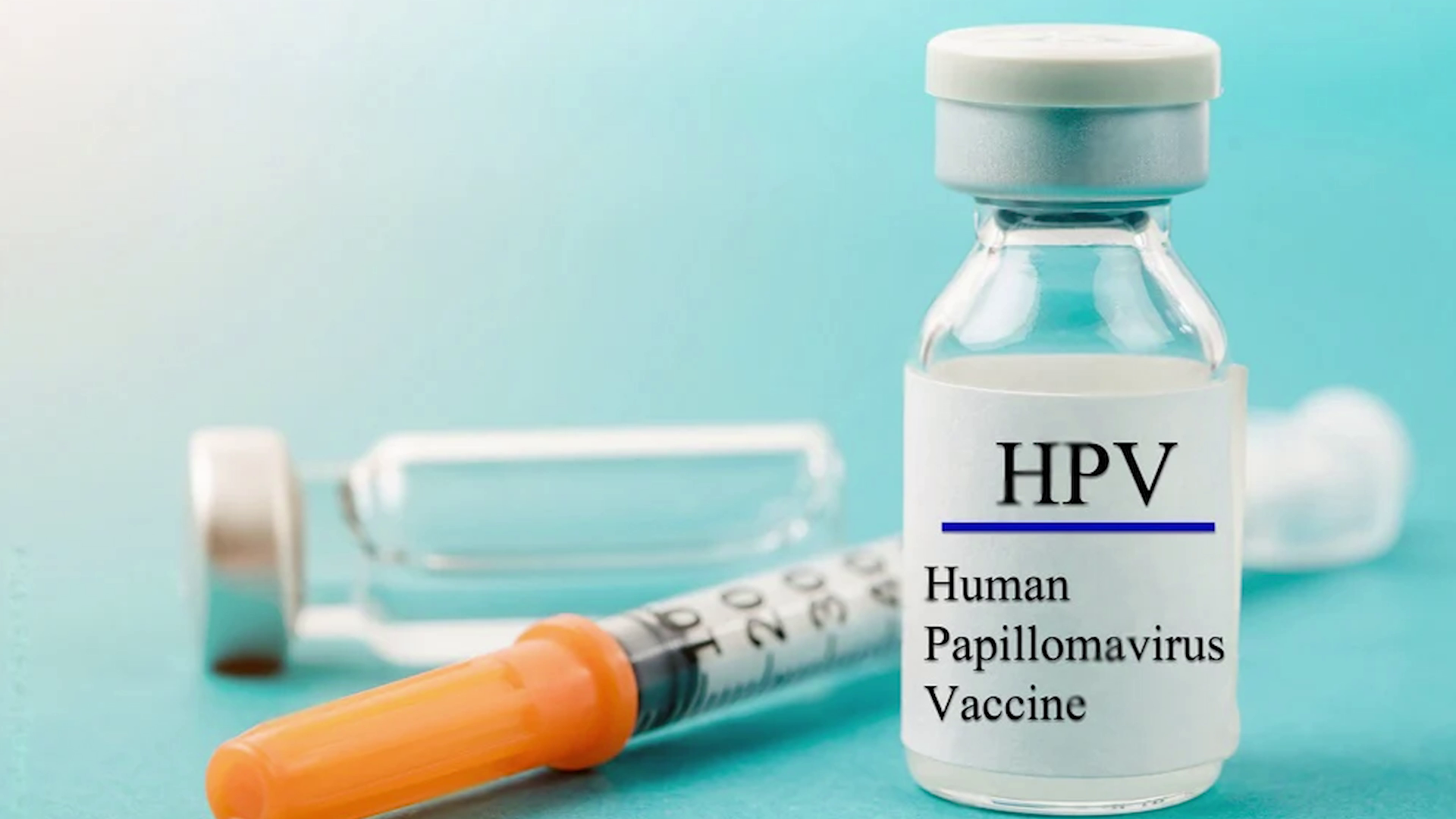
As Belize moves forward with a national HPV vaccination program delivered through primary schools, a heated public debate has erupted over decision-making authority, pitting the country’s Catholic Diocese against public health officials and drawing divided opinions from parents across the nation.
The dispute, which has been negotiated behind closed doors between church leaders and the Ministry of Health and Wellness, has spilled into public view, with sitting Church Senator Louis Wade stepping forward to outline the Diocese’s formal position. Contrary to widespread speculation, Wade emphasized that the church’s pushback is not rooted in anti-vaccine ideology – a point he repeated categorically, citing official Catholic Church guidance that does not reject the HPV vaccine outright.
Instead, the core conflict centers on a fundamental question: who holds the final authority to make medical decisions for minor children, and what role should schools play in vaccine distribution? The Ministry of Health has repeatedly stressed that the entire school-based program is voluntary, requiring written parental consent before any student can receive a dose. But Wade argues that this process does not go far enough to guarantee truly informed, uncoerced consent from caregivers.
Wade pointed to a recent public statement from the Ministry itself, which justified restricting over-the-counter access to contraceptives by arguing that medical products require direct consultation with healthcare professionals to ensure patients understand risks and implications. He questioned why the same standard does not apply to HPV vaccines delivered through schools, noting that the current model relies on schools to distribute consent forms, leveraging the inherent authority that teachers hold over many families. He argued that some parents may feel pressured to sign simply because the request came from a school official, rather than making a fully independent, informed decision after reviewing the medical details of the vaccine.
“Decisions around childhood vaccination should be worked out directly between public health authorities and parents, not routed through school administrative systems,” Wade explained. “It is not just about checking a box on a form. It is about ensuring parents understand the full medical implications of the vaccine before they consent, and that their decision is not influenced by the institutional role of the school.”
To date, both the Ministry of Health and Wellness and the Catholic Diocese have declined on-the-record interviews, stating that they prefer to resolve their differences through private negotiations. That has not stopped parents from flooding social media with passionate takes on both sides of the debate: proponents of the program highlight the life-saving impact of the HPV vaccine, which drastically reduces rates of cervical cancer and other life-threatening HPV-related diseases, while opponents align with the Diocese, arguing that schools overstep their mandate by serving as vaccine distribution hubs.
With negotiations still ongoing, the standoff shows no signs of easing in the near term. News Five has confirmed that it will continue seeking updates on the program’s status in more than 200 non-diocesan primary schools across Belize, to clarify whether the debate will impact rollout plans for non-Catholic institutions. As the conversation continues, the core question hanging over the nation remains unchanged: who ultimately gets to decide what medical care is right for Belize’s children?