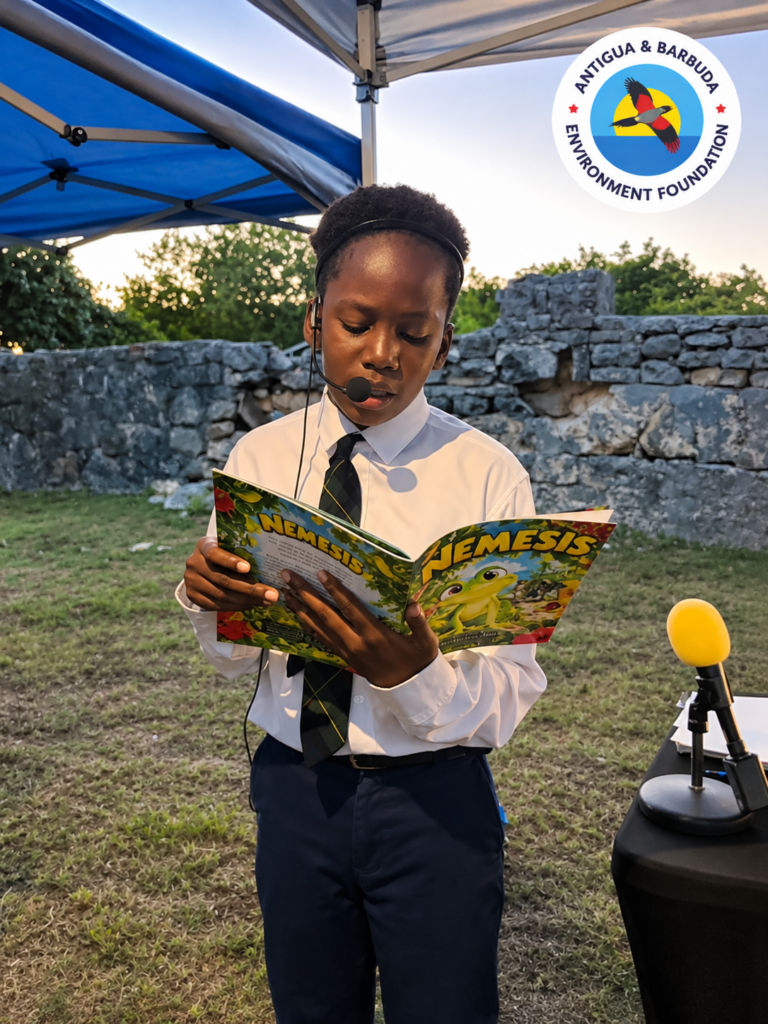
A dynamic cohort of young community leaders on the Caribbean island of Barbuda has emerged as a formidable driving force for localized environmental action, pushing long-neglected ecological protection efforts to the forefront of public discourse and policy agendas. For years, Barbuda’s fragile coastal ecosystems, rare endemic wildlife habitats, and limited freshwater reserves have faced mounting pressures from unregulated tourism development, climate-fueled coastal erosion, and inconsistent waste management infrastructure, with many traditional governance structures failing to prioritize proactive, community-centered solutions. This new generation of environmental stewards, ranging from teenage secondary school students to early-career local conservationists, has launched a series of targeted, community-engaged initiatives to reverse these trends: they run monthly coastal cleanup drives that have removed more than 2,000 pounds of ocean plastic and debris from Barbuda’s iconic pink sand beaches, lead public education workshops to teach residents about the island’s unique endemic species including the Barbuda warbler and the frigate bird colony at Codrington Lagoon, and advocate for stricter zoning regulations to prevent unplanned construction from destroying critical mangrove habitats that act as natural storm surge buffers against increasingly powerful Atlantic hurricanes. Their efforts have already yielded tangible policy wins: earlier this month, the Barbuda Council formally adopted a youth-drafted sustainable waste management roadmap that allocates 15% of the island’s annual public works budget to expand curbside recycling services and build a community-led composting facility. Local environmental officials note that the youth movement’s deep roots in Barbuda’s tight-knit community have helped break down longstanding apathy around ecological issues, as young advocates frame environmental protection not as a distant global concern, but as a direct defense of the island’s cultural heritage, food security, and long-term economic viability for future generations. The group has also begun forging partnerships with regional Caribbean conservation networks to share their community-led model with other small island nations facing parallel climate and environmental challenges.