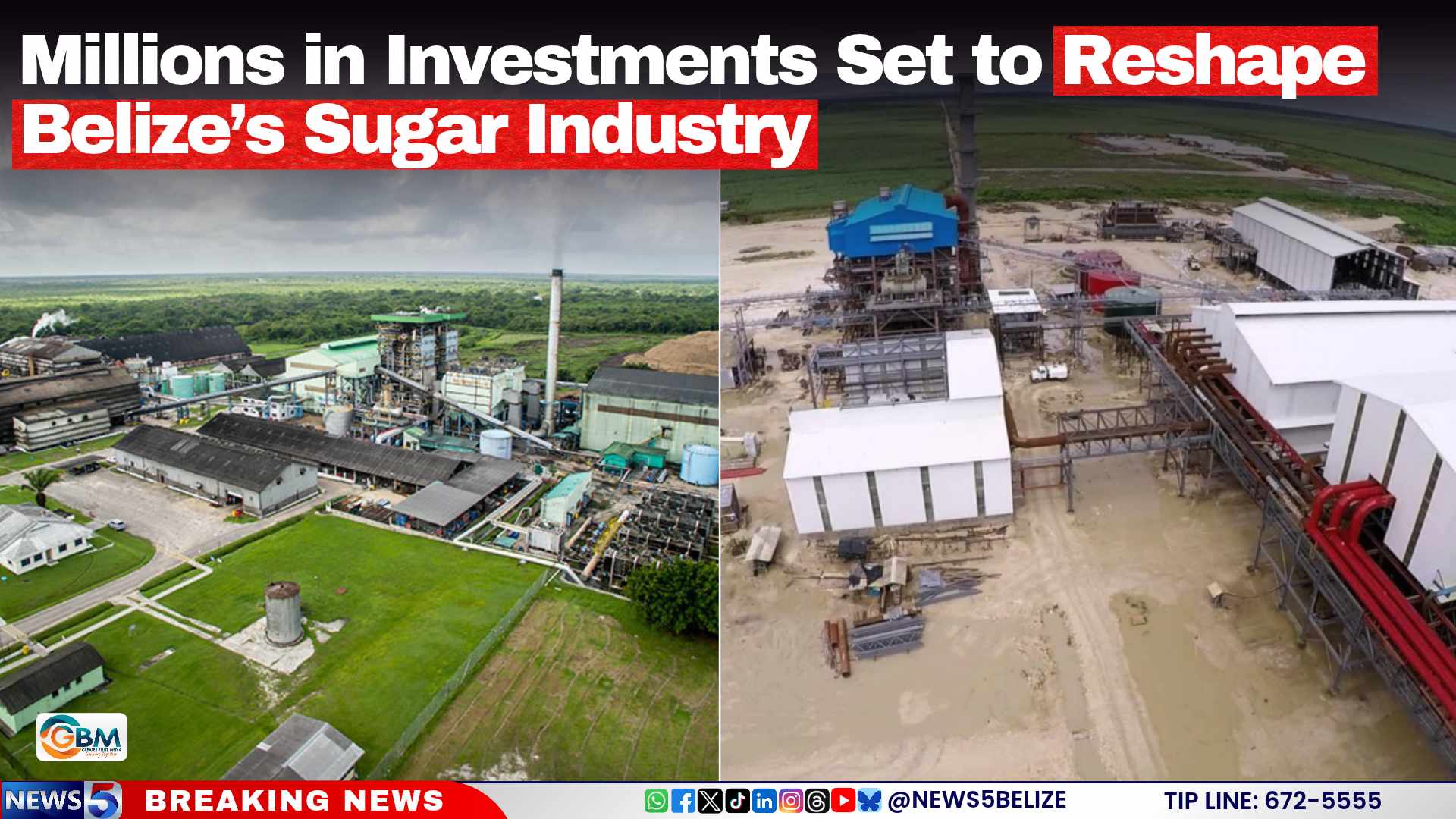
BELMOPAN, Belize – November 20, 2026: A wave of targeted private sector investments totaling up to $150 million is poised to overhaul Belize’s longstanding sugar industry, boosting production capacity and accelerating the Caribbean region’s decades-long push to meet local sugar demand through domestic output rather than costly imports. The coordinated expansion plans, unveiled jointly by Belize Sugar Industries (BSI) and regional agribusiness leader Santander Sugar Group, mark one of the largest capital infusions into the nation’s agricultural commodity sector in recent history. BSI, the dominant local sugar processor, has committed to a $50 million capital rollout spread across the next 3 to 4 years, designed to lift its immediate production volumes by 25%, with a long-term strategic roadmap to eventually double its current total output as operational efficiencies and farm yields improve. Parallel to BSI’s upgrades, Santander Sugar Group is rolling out a $75 million to $100 million expansion agenda over the same 3 to 4 year timeline, including installation of a high-efficiency new industrial boiler, expansion of dedicated sugarcane cultivation acreage, and targeted farm support for smallholder growers to hit a 1 million tonne annual sugarcane harvest target. The two firms’ investment plans align with newly released data from the Sugar Association of the Caribbean (SAC), which confirmed at its 178th Board of Directors meeting held last week in Barbados that regional collective sugar production capacity has now crossed the 300,000 tonne threshold, a milestone that for the first time brings the Caribbean Community (CARICOM) within striking distance of full self-sufficiency for its domestic sugar consumption needs. SAC’s latest crop reports show regional producers harvested 241,500 metric tonnes of sugar during the 2025–2026 growing season, with official projections forecasting output will surge past 330,000 tonnes for the 2026–2027 crop cycle. Mac McLachlan, a senior representative at Belize Sugar Industries Limited, emphasized that the ongoing modernization push across the Caribbean sugar ecosystem demonstrates that regional supply chains can become fully self-reliant, so long as member states uphold existing regional trade frameworks to protect local producers. A separate landmark development is also set to launch imminently: Caribbean Sugar Refineries has commenced trial shipments of refined white sugar to CARICOM customers, with its full official inauguration scheduled for November 21, 2026. Despite the positive momentum, SAC leaders caution that critical structural hurdles remain to fully unlock regional integration for the sugar sector. The CARICOM dedicated Monitoring Mechanism for Sugar is currently non-operational, as participating member states have failed to submit the required standardized operational and production data to activate the oversight framework. SAC officials confirm they are drafting a formal policy position paper to present at the upcoming Council for Trade and Economic Development meeting, where they will push for coordinated action to resolve the data gap and fully implement the regional trade rules designed to support local sugar producers.