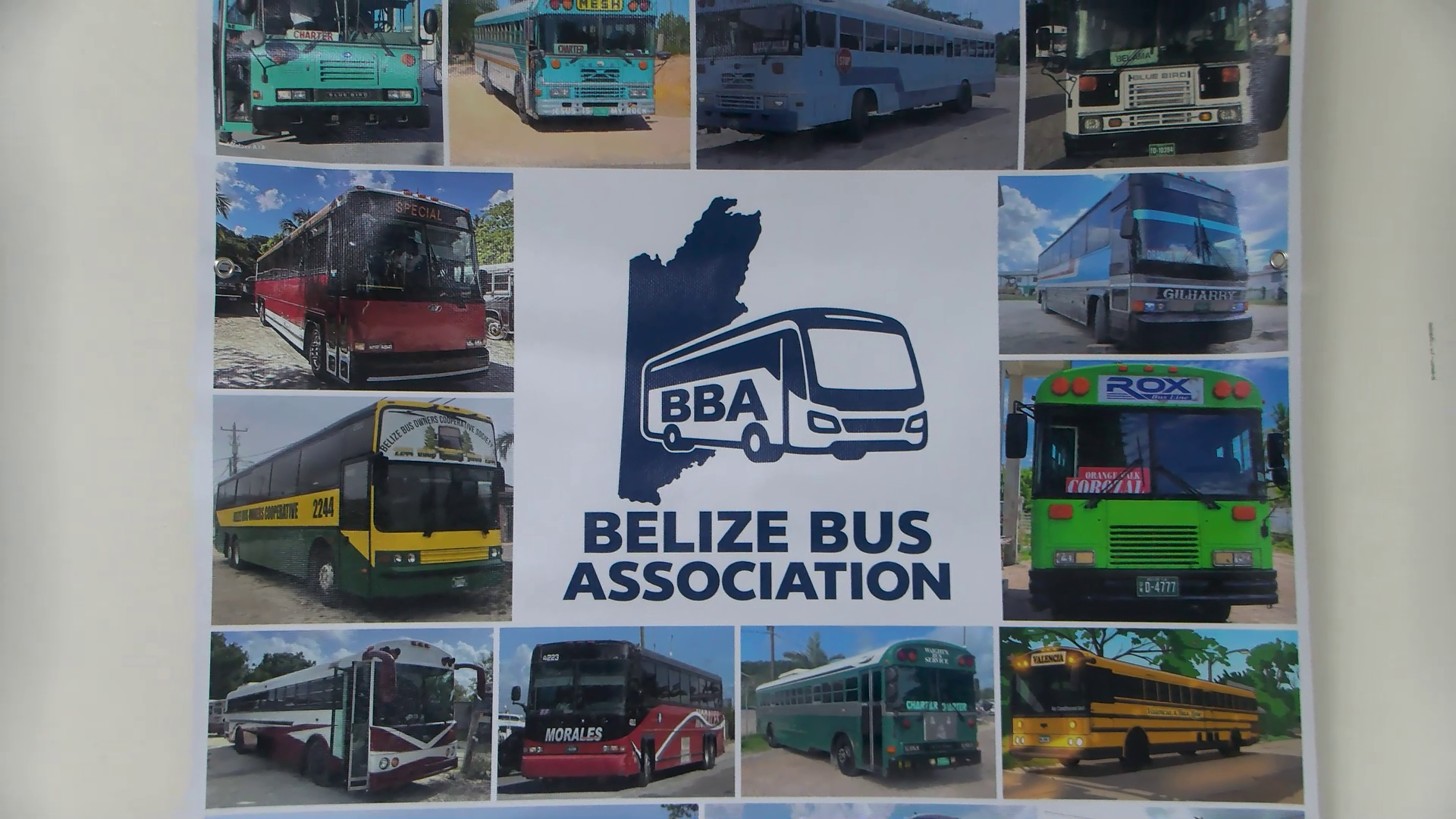
On November 18, 2026, Belize’s national public transport ecosystem stands on the cusp of a sweeping transformation led by the Belize Bus Association (BBA), which has laid out a multi-pronged vision to overhaul the country’s aging bus network through digital innovation, local renewable fuel adoption, and industry-wide structural reorganization. The proposed overhaul promises commuters a far more convenient, accessible travel experience, including end-to-end online trip booking, contactless credit and debit card payment options, and the gradual rollout of fleets powered by domestically produced ethanol derived from sugar industry molasses. Yet for all the forward-thinking ambition laid out at the initiative’s public launch, a trio of unresolved critical barriers threaten to delay or derail the entire project: deep fragmentation among independent bus operators, unconfirmed long-term financing streams, and the absence of a formal, detailed implementation timeline. The BBA’s foundational first step to address these gaps is the formation of a unified industry cooperative, a structure that association president Froylan Gilharry emphasized will level the playing field between small family-owned operators and large fleet owners, unlock economies of scale for bulk procurement of vehicles and supplies, and strengthen the sector’s collective eligibility for low-interest development funding. Gilharry explicitly reassured the public that none of the associated modernization costs will be passed on to commuters, with all upfront and ongoing operational expenses to be covered directly by participating bus owners. While many operators already use basic handheld ticketing devices, these tools currently only generate physical receipts that passengers pay for exclusively in cash to on-board conductors, a friction point the BBA aims to eliminate by rolling out multi-modal payment terminals that support cash, card, and pre-paid membership card transactions. The most transformative component of the plan, however, is the proposed local ethanol production facility, designed to output over 600,000 gallons of fuel annually by repurposing molasses byproduct from Belize’s thriving sugar cane sector. Independent economist Rudolph Castillo noted that this dual-purpose model will not only cut the public transport sector’s carbon footprint but also keep far more capital circulating within the domestic economy, supporting sugar industry livelihoods, reducing overall agricultural and transport operational costs, and creating entirely new local green jobs. To mitigate upfront risk, the BBA intends to launch a small-scale pilot program within three months, importing ethanol from neighboring markets to test two retrofitted buses before committing to full-scale local plant construction, which will require coordinated support from the Belizean national government, multilateral development lenders such as the Inter-American Development Bank, and key stakeholders in the domestic sugar industry. Even as the BBA presented its full vision, lingering rifts within the operator community have emerged: a splinter group of independent operators recently formed the separate United Bus Operators Association, which held parallel closed-door discussions with Minister of Transport Dr. Louis Zabaneh to advance its own set of proposals for service improvements and operating cost reductions, with a cross-sector stakeholder summit scheduled for December to reconcile competing plans. As the two factions work to align their priorities, the core question hanging over the entire modernization effort remains whether Belize’s fragmented bus industry can set aside internal divisions to deliver on the promised upgraded public transit system for millions of commuters nationwide.