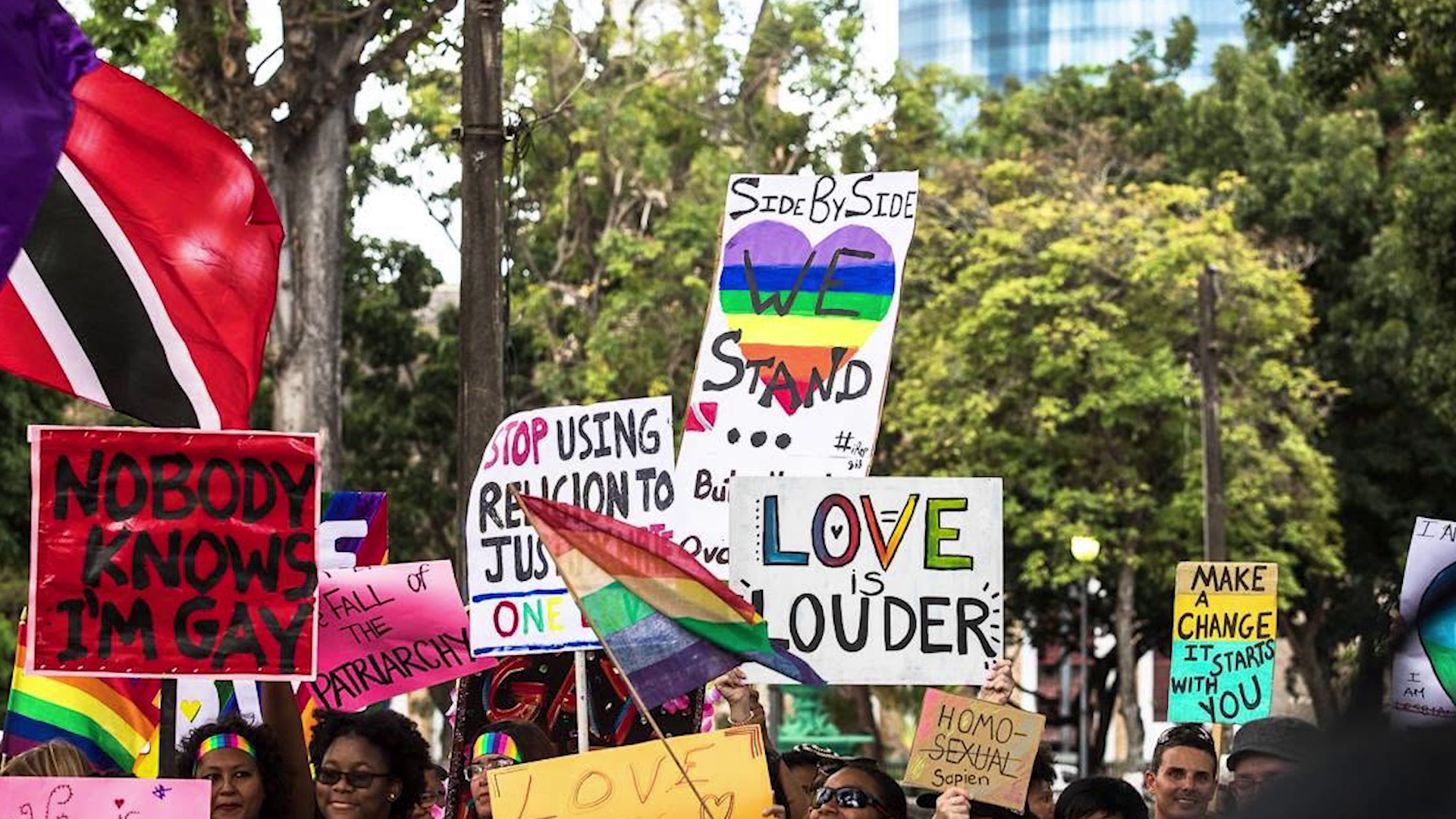
PORT OF SPAIN, Trinidad and Tobago – November 18, 2026 – A historic recent judgment from the UK-based Judicial Committee of the Privy Council has thrown the Caribbean’s long-simmering divide over LGBTQ+ legal protections into sharp public focus, pushing regional governments to confront not just leftover colonial-era penal codes, but core questions of what true national independence, constitutional equality, and state accountability to marginalized citizens should look like in the 21st century.
On November 10, the apex court struck down Trinidad and Tobago’s decades-old statutes that criminalized consensual same-sex intimacy between adults, ruling unequivocally that the provisions violated enshrined constitutional rights to private and family life, human dignity, and equal treatment under the law. The decision capped more than a decade of relentless legal advocacy by Trinidadian LGBTQ+ rights activist Jason Jones, who brought the original challenge to dismantle laws that had turned private, harmless adult relationships into criminal offenses carrying the threat of state punishment.
For Jones, the victory extends far beyond the borders of his home country. “This is the first time a top apex court has issued a clear ruling on this issue that directly applies to Caribbean jurisdictions under its purview,” Jones explained in an exclusive interview following the judgment. “This ruling impacts between seven and 11 regional nations, plus Mauritius, affecting a total of 45 million people. It upholds the fundamental human rights and bodily autonomy of every single one of those citizens, regardless of their sexual orientation.”
Jones’ legal team had argued that the outdated penal provisions violated foundational rights to dignity, privacy, and family life, and were not protected by so-called “savings clauses” – unique legal mechanisms embedded in many post-independence Caribbean constitutions that were designed to shield colonial-era laws from constitutional challenges, allowing discriminatory, long-outdated legislation to remain on the books for decades even as new modern human rights protections were adopted.
The 2016 decriminalization of same-sex intimacy in Belize, which saw the nation’s Supreme Court strike down the country’s infamous Section 53 – a ruling later upheld by the Court of Appeal in 2019 – was made possible only after Belize’s original post-independence savings clause expired, eliminating the legal barrier that had blocked earlier challenges. Caleb Orozco, Executive Director of the United Belize Advocacy Movement (UNIBAM) and the lead plaintiff in that landmark 2016 case, hailed the Privy Council’s latest decision as a transformative regional win, but noted the court missed a critical opportunity to directly address the remaining active savings clauses that still protect discriminatory colonial laws across multiple Caribbean states.
“How can any government claim to cherish full political independence while clinging to these archaic colonial norms that not only undermine the fundamental rights of their own citizens, but actively erode the dignity of the very people their parliament is mandated to protect?” Orozco asked. “For all the other nations that still recognize the Privy Council as their final court of appeal, this ruling is a chance to prove what true decolonization of their judiciary and legislative process actually looks like, to move past leftover imperial legal frameworks that have no place in independent sovereign states.”
To date, seven Caribbean nations, including Belize and the newly added Trinidad and Tobago, have formally repealed or struck down laws criminalizing consensual same-sex intimacy. But a deep regional rift remains: Jamaica, Grenada, and Saint Vincent and the Grenadines still actively enforce these colonial-era penal codes, leaving LGBTQ+ residents at risk of arrest, persecution, and systemic discrimination. Even in jurisdictions that have already decriminalized same-sex relations, meaningful broader legal protections remain largely stalled: most lack explicit bans on discrimination based on sexual orientation, and offer no formal legal recognition for same-sex couples or their families.
Amanda Clift-Matthews, a prominent regional human rights attorney, emphasized that the Privy Council’s judgment sets a powerful, precedent-shifting legal standard that will ripple across the region, forcing national governments to choose between voluntarily repealing their remaining anti-LGBTQ+ laws or fighting to defend them in domestic court challenges. “This is a landmark, precedent-setting ruling of enormous significance,” Clift-Matthews noted. “We are almost certainly going to see a growing trend toward full abolition of these outdated offenses, either through proactive parliamentary action by governments that choose to lead on equality, or through formal legal challenges brought by citizens at the local level, now that the highest possible appellate jurisdiction has validated the core legal argument against these laws.”
Crucially, the ruling does not automatically bind every Caribbean nation, as regional jurisdictions have divergent final appellate systems: Trinidad and Tobago still names the Privy Council as its highest court of appeal, while Belize and a growing number of other regional states now recognize the Caribbean Court of Justice (CCJ) as their final judicial authority. The CCJ has already weighed in on LGBTQ+ rights in prior rulings related to regional free movement, meaning future legal challenges across the Caribbean will unfold based on each nation’s unique constitutional text, existing court structure, and the specific wording of its remaining penal statutes.
The global ripple effects of the ruling are also already being felt, Jones pointed out. “This is being celebrated across the UK as the single most impactful LGBTQ+ legal case in British legal history, and it is already driving policy conversations across the entire Commonwealth,” he said. “The Privy Council is the third largest supreme court in the world by population served, and now three of the world’s largest apex courts – the U.S. Supreme Court, the Indian Supreme Court, and the Privy Council – have all issued rulings decriminalizing LGBTQ+ people. That sends an unambiguous global message to the more than 60 countries around the world that still criminalize LGBTQ+ people, 11 of which still impose the death penalty for same-sex intimacy.”
In Belize, where the decriminalization fight concluded nearly a decade ago, local advocates have shifted their focus to pushing for long-stalled comprehensive equality legislation. The proposed national Equal Opportunities Bill, which would ban discrimination on the basis of sexual orientation and gender identity across housing, employment, education, and public services, has remained stuck in legislative limbo for years amid widespread political hesitation and pockets of vocal public opposition.
Orozco criticized major political parties in Belize for their failure to advance the bill. “Both major political parties have made it abundantly clear that they are unwilling to take the lead or step forward to deliver on their stated policy commitments to equal treatment, which demonstrates they are not serious about upholding the principle of equal justice for all under the law,” Orozco said. “As Jason Jones’ victory shows us, when the state refuses to expand protections for marginalized groups, communities can use existing democratic and legal processes to drive the transformative change they deserve.”
Taken as a whole, the Trinidad and Tobago judgment represents both a historic milestone for regional human rights and a stark wake-up call for Caribbean governments. It proves that long-entrenched colonial-era discriminatory laws can be dismantled when citizens organize and challenge them through the courts, but it also lays bare the persistent gaps that remain when states eliminate criminal penalties without following through to implement the broader, comprehensive equality protections that true constitutional justice demands. For Belize, and for dozens of other regional jurisdictions across the Commonwealth, the conversation is no longer about whether to abandon leftover imperial anti-LGBTQ+ laws – it is about whether governments will finally deliver on the full promise of independence, equality, and dignity for every one of their citizens.