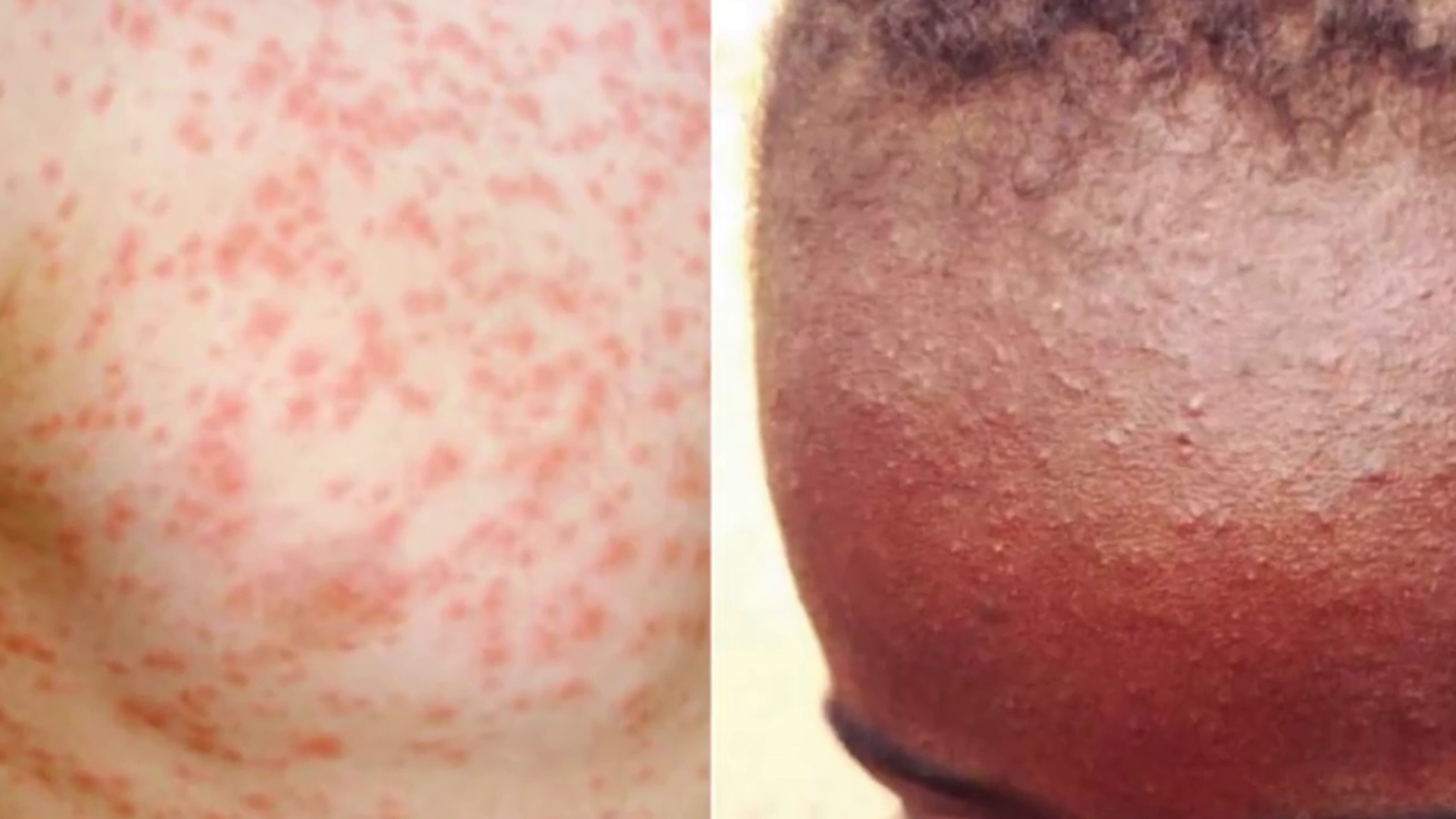
As of November 17, 2026, Belize retains its official measles-free certification, but recent epidemiological trends have local public health officials sounding urgent alarms: six confirmed measles infections recorded in the past two months all involved unvaccinated residents, exposing vulnerable gaps in community immunity that threaten to erase decades of hard-won public health progress. The warning comes against a stark regional backdrop, as a widespread measles resurgence sweeps across the Americas, with dozens of nations losing their long-held elimination status in 2026.
Dr. Laura Friesen, Deputy Director of Belize’s Department of Public Health and Wellness, emphasized that the current cluster of cases serves as a clear testament to the measles vaccine’s unmatched protective power, noting that no fully vaccinated individual has been linked to any of the recent local infections. “The vaccine offers more than 98% protection against this extremely contagious virus,” Friesen explained, highlighting that measles can linger in airborne particles for up to four hours after an infected person leaves a space, meaning exposure can occur even without direct face-to-face contact with a sick individual. Belize’s national immunization schedule administers two routine measles doses to children, the first at 12 months of age and the second at 18 months, but pockets of under-vaccinated populations across the country create high-risk zones where a single imported case could spark a large, sustained outbreak. Local health authorities confirm sufficient vaccine stockpiles are available nationwide, and are urging all residents to verify their immunization records: adults with no documented measles vaccination history should receive two doses spaced one month apart, while anyone uncertain of their status or who has lost their records is advised to get at least one supplementary dose for maximum protection.
Regional data from the Pan American Health Organization (PAHO) paints an even more concerning picture: as of 2026, the Americas have recorded over 58,000 measles cases and 82 associated fatalities, a figure nearly five times higher than the total reported over the same 12-month period the prior year. Bolivia, Mexico, and the United States have all formally lost their measles elimination status, a designation revoked when continuous, endemic viral circulation is confirmed for 12 consecutive months via epidemiological and laboratory evidence. Dr. Rhonda Sealey-Thomas, PAHO Assistant Director, stressed that this widespread loss of elimination status represents a major regional public health setback that will require coordinated investment in expanded surveillance, rapid outbreak response teams, robust laboratory testing capacity, and targeted mass vaccination campaigns to reverse. PAHO is not recommending cross-border travel restrictions at this stage, but is calling on all member states to prioritize allocating human and financial resources to measles control efforts, and warning unvaccinated residents face elevated risks of severe complications including pneumonia, permanent blindness, encephalitis, and even death from this entirely preventable illness. PAHO officials note that nations that have lost their elimination status can regain the certification if they successfully interrupt all local measles transmission and maintain high, sustained vaccination coverage across all communities.
Measles Threat Looms As Belize Battles Vaccination Gaps