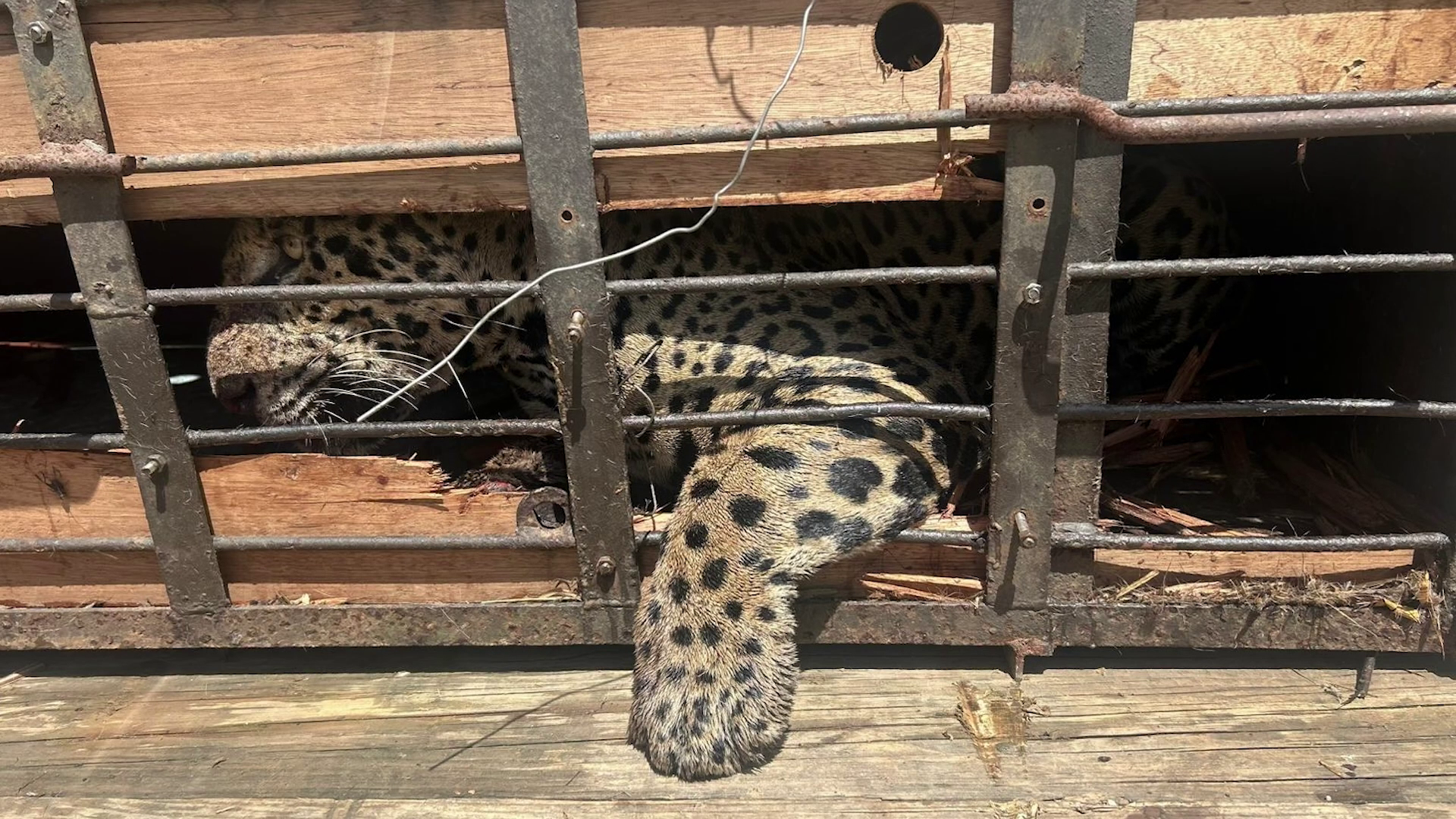
As of November 17, 2026, a growing public and conservation outcry has erupted across Belize over the country’s woefully outdated wildlife penalty framework, which has remained frozen at a maximum $500 fine for all wildlife offenses since the original Wildlife Protection Act was first enacted back in 1981. The renewed push for reform was sparked by two high-profile recent cases: one involving Ruben Stoll, who faced court proceedings over illegal custody of a protected jaguar cub that drew widespread public anger, and a second case where Jose Samoyoa was formally charged with unlawful possession of restricted wildlife species. While local conservation advocacy groups have celebrated that both cases moved forward to prosecution, they have raised urgent questions about whether the current negligible penalties serve as any meaningful deterrent for repeat or potential offenders.
Experts and frontline enforcement officials uniformly note that the $500 fine, which may have represented a substantial financial consequence in 1981, is now so trivial that many wildlife traffickers and poachers treat it as a minor operational cost of doing business, even as their activities inflict irreversible harm on Belize’s globally significant biodiversity and vulnerable native species. Dr. Celso Poot, Managing Director of the Belize Zoo, confirmed that the inadequacy of outdated penalties has been a core point of discussion across years of formal consultations to revise national wildlife legislation, and that every stakeholder in the local conservation ecosystem is eagerly waiting for long-overdue updates to the legal code.
Forest Officer Victoria Chi from Belize’s Forestry Department explained that a comprehensive draft piece of legislation, the Wildlife Conservation and Management Bill, has already completed its first reading in the House of Representatives, and is now navigating required public and stakeholder consultations before proceeding to mandatory second and third readings for final enactment. The proposed law would raise penalties drastically: for example, the current $500 fine for unlawful wildlife possession would jump to a $25,000 penalty, a figure that enforcement leaders say will create a genuine disincentive for illegal activity. Minister of Sustainable Development Orlando Habet, who first introduced the full repeal of the 1981 act and the new replacement bill to the National Assembly in early October, acknowledged that public frustration over absurdly low fines for serious wildlife crimes has been building for years, as repeat offenders face no meaningful financial consequence for harming Belize’s most treasured native wildlife.
For the time being, however, all law enforcement teams remain constrained by the 43-year-old legal framework, leaving vulnerable jaguars, endangered native species and critical ecosystems exposed to preventable harm. The two recent high-profile court cases have kept public pressure steadily applied to national legislators, as communities across the country push for swift passage of the updated bill to bring Belize’s wildlife protection rules in line with modern conservation standards.