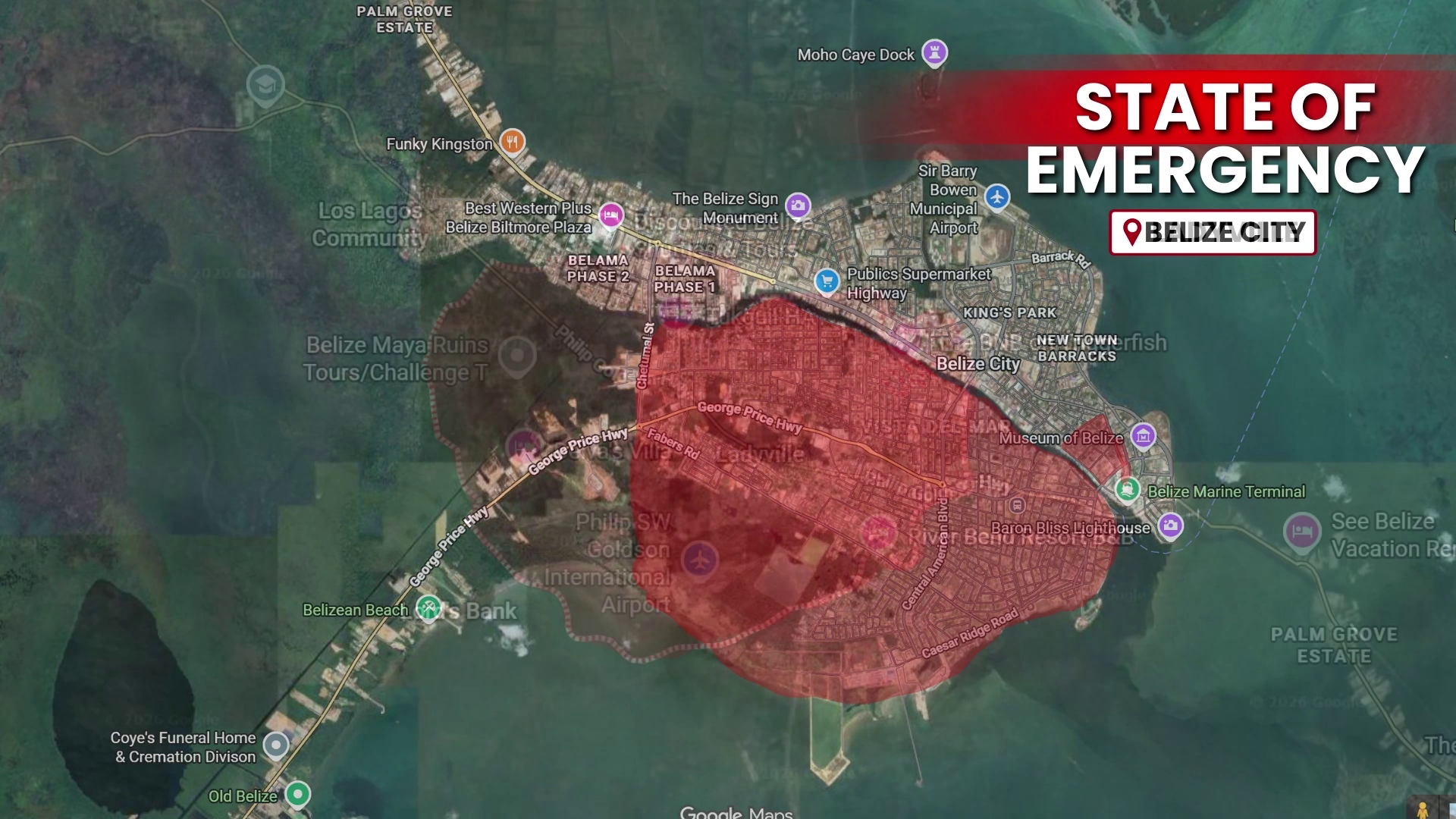
Issued on November 17, 2026, the latest legal and governance controversy in Belize centers on fierce pushback from prominent veteran attorney Richard “Dickie” Bradley against the sweeping new law enforcement powers rolled out under the country’s recently enacted State of Emergency framework, as public debate intensifies over the fine line between public safety priorities and enshrined constitutional civil liberties.
Bradley, a widely respected legal practitioner with decades of experience advocating for citizen rights, has raised two core, high-stakes objections to the emergency regulatory structure in a recent on-air news interview. First, he calls out the mechanism of statutory instruments that grant unvetted, unilateral authority to cabinet ministers to impose new rules without requiring formal parliamentary debate, legislative scrutiny, or public justification. Under these unregulated provisions, Bradley warns, law enforcement officers can arbitrarily issue confinement orders to any member of the public, with no mandatory judicial oversight. These orders restrict affected individuals to their residential properties for most of the day, only granting narrow, conditional exceptions for essential grocery purchases, medical care, and pre-approved work travel, with no clear safeguards to prevent the orders from being issued for personal bias, petty grudges, or discriminatory targeting.
Even more alarming to Bradley is the separate provision that allows police to detain individuals, overwhelmingly young men from marginalized communities, for up to 48 full hours without filing formal criminal charges or presenting them before a judicial officer. He frames this policy as unambiguously, flagrantly unconstitutional, a total violation of every Belizean’s fundamental right to personal liberty, and says the measure has no valid legal grounding under existing national law. He went on to note that a cohort of top local legal practitioners including OJ, Audrey Matura, Rachel, and Arthur Saldivar will almost certainly launch a wave of legal challenges to the practice in the coming weeks.
In a further sharp rebuke of the sitting administration’s anti-crime strategy, Bradley also slammed the government’s stated plan to study and potentially replicate the harsh, widely controversial anti-gang security policies implemented by El Salvador’s President Nayib Bukele, describing Bukele’s mass arrest campaigns as inherently criminal, inhumane, and incompatible with a democratic nation’s obligations to protect its citizens’ basic human rights. Bradley emphasized that while policymakers and law enforcement have a clear mandate to reduce violent crime and bolster community safety, that mission can never justify eroding or discarding the constitutional protections that form the foundation of Belize’s democratic system. The full uncut interview covering Bradley’s detailed critique of the emergency powers will be featured in the news outlet’s follow-up evening newscast on November 18, 2026.
Confinement Orders Draw Fire From Attorney Dickie Bradley