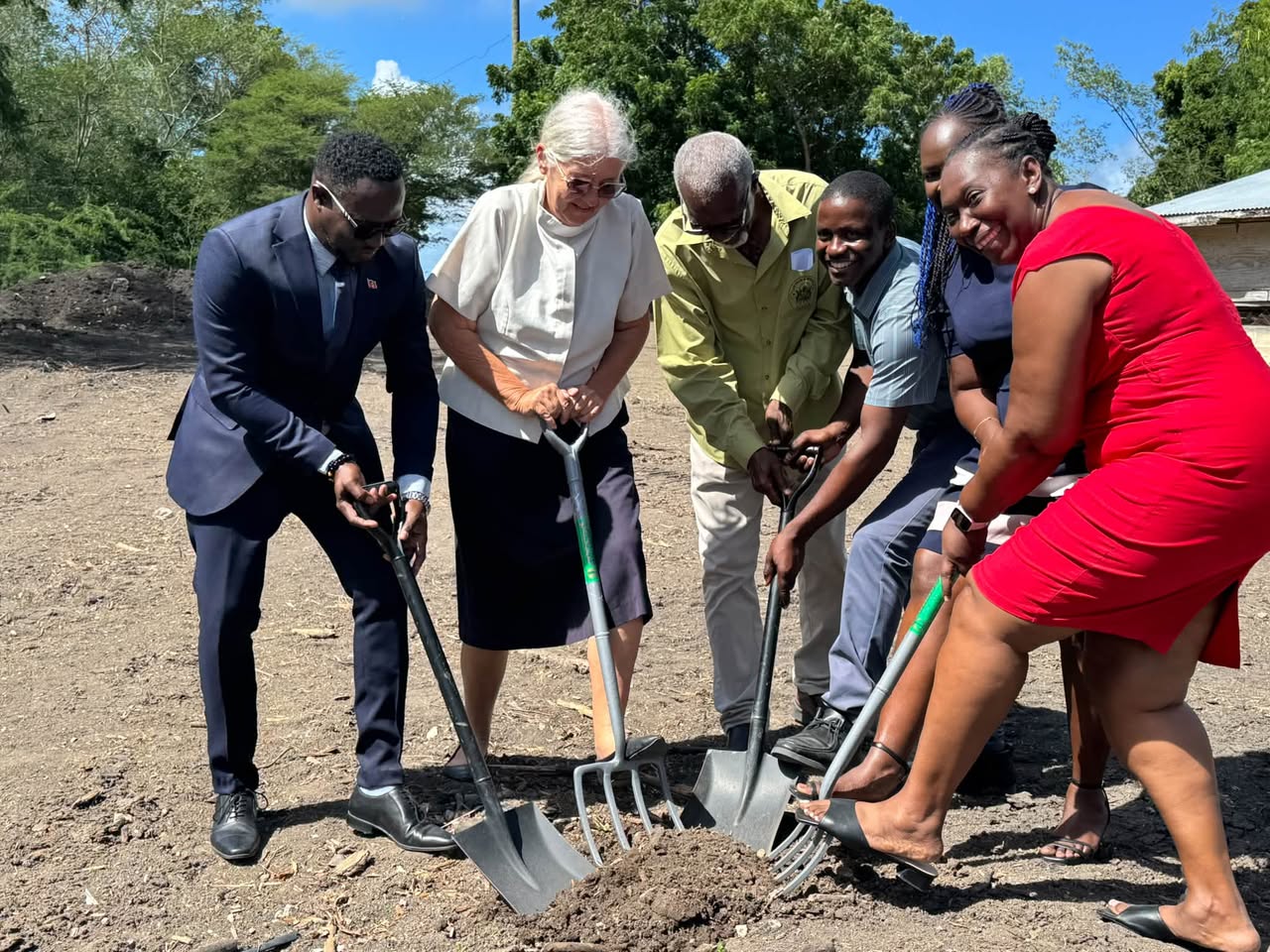
A community-focused sustainability organization in Antigua and Barbuda, the GARD Center, has officially rolled out a transformative new dual-purpose initiative that merges equitable economic opportunity with critical ecological protection, following the award of dedicated grant funding from the Global Environment Facility (GEF) Small Grants Program, administered locally by the United Nations Development Programme (UNDP).
The public launch event for the project, formally named “Building Livelihoods & Conserving Nature: Inclusive Beekeeping for Youth, Women & Men”, gathered a cross-section of key government representatives, UN program leadership, civil society stakeholders and local community partners to mark the milestone. Featured speakers at the ceremony included GARD Center Executive Director Mrs. June Jackson, UNDP GEF Small Grants Programme National Coordinator Mrs. S. Natalya Lawrence, and Hon. Randy Baltimore, Minister of State in Antigua and Barbuda’s Ministry of Agriculture, Lands, Fisheries and the Blue Economy. Also in attendance were GEF Small Grants Programme National Steering Committee Chairman Andelle Trotman and committee member Joseph Prosper, alongside dozens of local community members and sector partners.
Unlike traditional narrow agricultural livelihood schemes, the new beekeeping program is deliberately designed to remove access barriers for marginalized groups, including young people and women, who have historically been excluded from many formal rural income-generating opportunities across the twin-island nation. Beyond creating new, low-barrier, sustainable revenue streams for participating residents, the initiative is structured to raise widespread public awareness of the outsized, underrecognized role native bee populations play in supporting crop pollination, preserving local biodiversity, and upholding the long-term health of Antigua and Barbuda’s fragile island ecosystems. Project leads note that the model aligns closely with national Blue Economy priorities, as it supports nature-positive economic growth that does not degrade the island nation’s valuable natural assets.
GARD Center launches beekeeping project to help people earn a living in Antigua and Barbuda