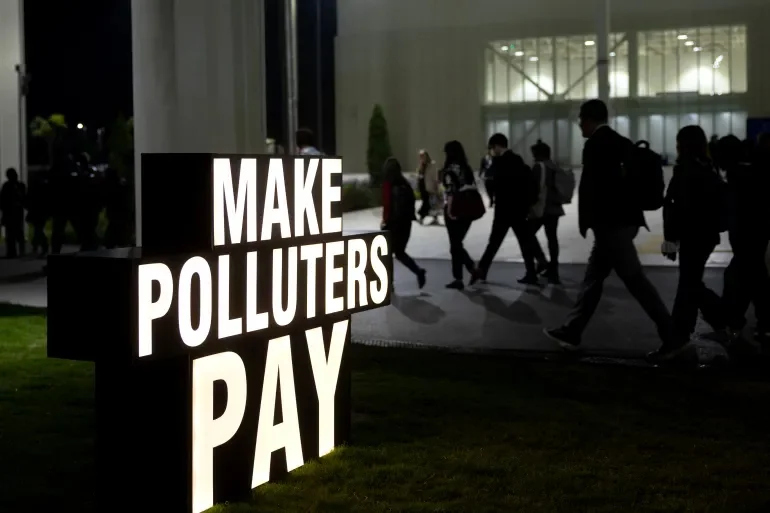
Antalya, Turkey – November 18: High-stakes negotiations at the 31st United Nations Climate Change Conference (COP31) entered a critical, friction-filled phase this week, after the release of a 18-page draft final political agreement laid bare deep, unresolved divisions across participating nations just days ahead of the summit’s scheduled November 20 closing. Unveiled by Australian climate officials leading the negotiation track, the draft text contains 144 distinct clauses, nearly half of which remain highly contested, with three core flashpoints driving deadlock: the future of fossil fuel usage, global climate funding commitments, and the planned publication timeline of the Intergovernmental Panel on Climate Change’s (IPCC) landmark 7th Assessment Report. European Union Climate Commissioner Wopke Hoekstra issued sharp public criticism of the draft on Tuesday, warning that the document reopens previously settled global climate accords and is bloated with conflicting, unworkable proposals that risk derailing the entire negotiation process entirely. Hoekstra emphasized that the EU’s priority for COP31 is to lock in actionable implementation of existing national climate pledges, rather than renegotiate terms already agreed to by global leaders, and called for sweeping revisions to the current draft text. Australian Climate Minister Chris Bowen, who oversees the negotiation process, acknowledged that no single nation is fully satisfied with the proposed framework, and confirmed at least one revised iteration of the draft will be circulated before the summit concludes. The most intractable point of contention centers on fossil fuel phase-out language. The draft presents competing options: either a reaffirmation of the 2023 COP28 Dubai commitment to a gradual phase-down of fossil fuels, or a far more ambitious, binding mandate to fully eliminate coal, oil, and natural gas usage. Major oil-producing nations and high-emission large economies have pushed back aggressively against new binding restrictions, arguing that countries must retain full sovereignty over their domestic energy transition pathways. Meanwhile, vulnerable nations including small island developing states (SIDS) such as Antigua and Barbuda, and environmental advocacy blocs, argue that vague, non-committal language is no longer sufficient, as fossil fuels account for over 75% of global greenhouse gas emissions and are driving catastrophic sea level rise and extreme weather events that threaten the very existence of low-lying island nations. Brazilian Environment Minister João Paulo Capobianco has expressed cautious optimism that carefully calibrated wording adjustments could bridge this particular divide. A second major fault line lies in climate finance, a longstanding sticking point between wealthy industrialized nations and low-income vulnerable economies. Developed nations previously committed to scaling annual public and private climate support for developing nations to $1.3 trillion by 2035, with a public finance target of $300 billion per year by that same deadline, but recipient nations report that disbursed funds are far below promised levels, and support for climate adaptation and loss and damage recovery from extreme weather disasters remains drastically underfunded. In a new development announced Tuesday, the United Kingdom joined a growing coalition of nations including Kenya, South Sudan, Spain, Timor-Leste, Tuvalu, and Vanuatu to back exploratory work on targeted levies on high-polluting sectors – including international aviation, high-volume financial transactions, and other carbon-intensive activities – to generate new, dedicated revenue streams for climate action, without shifting additional financial burdens onto low-income nations. The third major dispute revolves around the publication timeline of the IPCC’s 7th Assessment Report, the definitive scientific evidence base that underpins all global climate policy. A coalition of EU member states, African nations, and SIDS is pushing for the full report to be released ahead of COP33 in 2028, so its findings can be integrated into the global stocktake of national emission reduction progress scheduled for that year. However, major economies including China, India, and Saudi Arabia are advocating for a delayed 2029 release, arguing that developing country researchers need additional time to participate fully in the peer review and drafting process. Saudi Arabia’s COP31 delegation pushed back on widespread accusations that it is attempting to delay critical climate science, stating that the extended timeline is necessary to ensure full transparency, rigorous scientific scrutiny, and inclusive participation for all national stakeholders. The Alliance of Small Island States (AOSIS) chair Ilana Seid condemned the proposed delay as completely unacceptable, noting that the 2028 stocktake is a once-in-a-generation opportunity to course-correct global emission reduction trajectories to meet the 1.5°C warming target. Additional competing priorities in the draft include a Turkish proposal to raise the global share of electricity in total final energy consumption to 35% by 2035, to accelerate electrification of transport, industrial, and residential energy systems. While the EU has backed this target, nations remain divided on requirements that all that new electricity must come exclusively from zero-emission renewable sources. Compounding these challenges, all decisions at UN climate summits require full consensus, meaning a single dissenting nation can block the entire final agreement. The co-presidencies of Turkey and Australia now face the formidable task of reconciling hundreds of conflicting national positions, with widespread precedent from past COP summits indicating the negotiations are highly likely to extend past the official November 20 closing deadline. For low-income nations and SIDS that have contributed the least to historical greenhouse gas emissions but bear the brunt of worsening climate impacts, the outcome of COP31 will directly determine whether global leaders move beyond empty promises to deliver tangible, life-saving climate action in the years ahead.