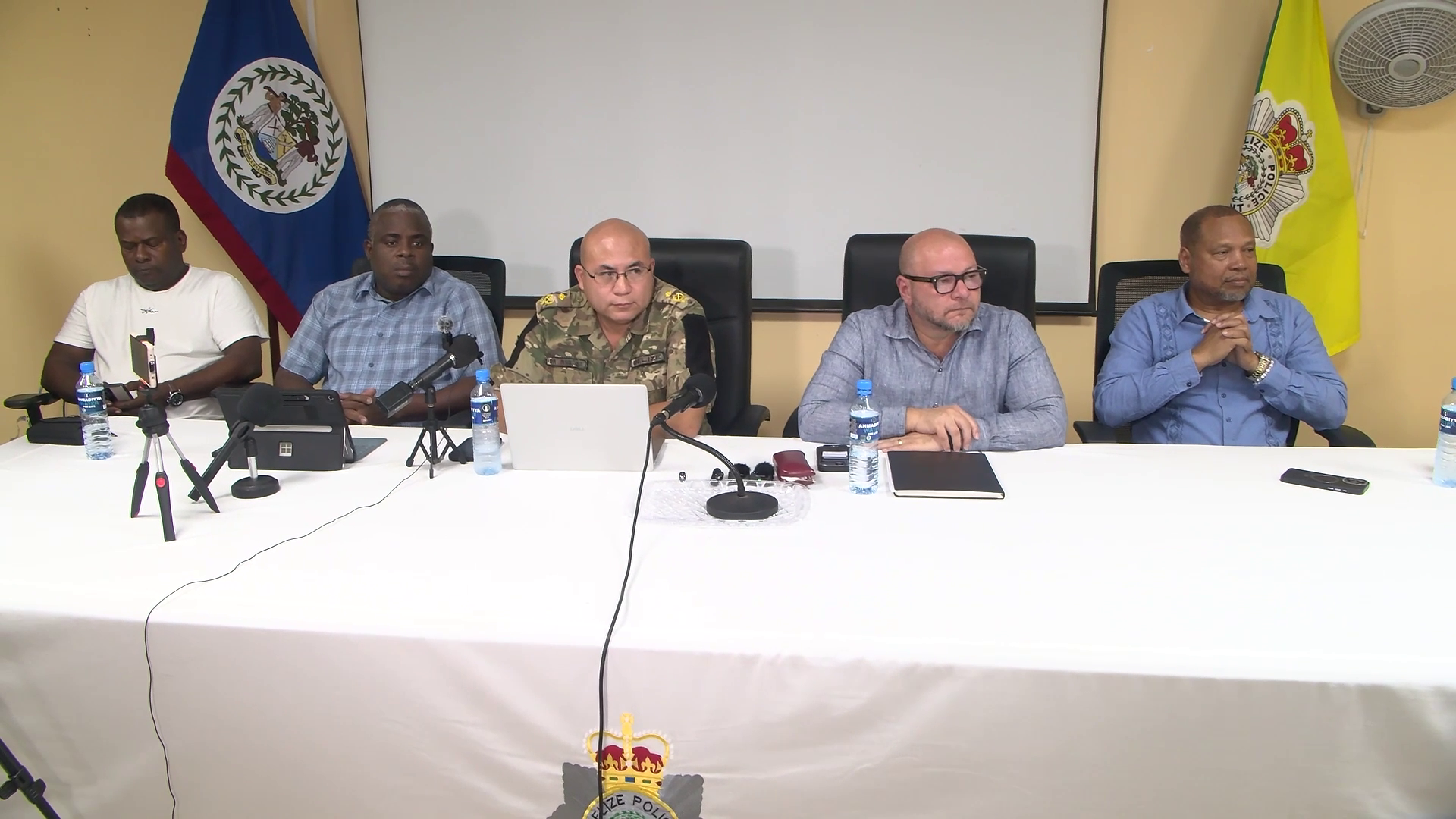
On November 11, 2026, Belizean Prime Minister John Briceño publicly addressed the newly announced state of emergency (SOE) deployed to stem the nation’s rising wave of violent crime, framing the unprecedented measure as his administration’s absolute last resort after exhausting all alternative public safety strategies. The announcement comes with significant legal context: a 2020 court ruling had previously struck down an earlier SOE as unconstitutional, prompting widespread public and media scrutiny over whether the new order would expose the government to fresh legal liability. During a televised evening newscast interview, Briceño detailed that administration officials including legal counsel Mr. Chebat and the national police commissioner spent extended periods reviewing the 2020 judicial ruling line by line to craft a compliant, targeted order that avoids the broad, blanket restrictions that led to the previous measure’s invalidation. “We did not rush into this,” Briceño emphasized. “Under the law, you can no longer implement a sweeping, unregulated SOE that covers entire regions without justification. This time, we have focused exclusively on specific high-risk areas where we have documented, verifiable evidence of persistent gang violence and homicides, and we have built a robust legal case to support every provision of this emergency declaration.” Briceño acknowledged the persistent challenge of disrupting violent criminal networks, noting that as soon as police move to suppress activity in one neighborhood corner, perpetrators shift operations to adjacent locations. He stressed that the core priority of the short-term SOE is to temporarily stabilize community safety while the government rolls out long-term, sustainable street crime reduction strategies that will reduce reliance on emergency powers entirely. When pressed by reporter Paul Lopez to confirm that no alternative policy paths remained before the administration turned to the SOE, Briceño confirmed that the measure was deliberately held as a final backup, noting that no SOE had been deployed for a multi-year stretch prior to this announcement as officials tested a range of community policing, intervention and enforcement programs that failed to curb the recent surge in fatal violence. Addressing the lingering question of potential legal liability stemming from the new order, Briceño conceded that no government action is entirely immune from legal challenge, but argued that inaction would carry far greater moral and practical costs. “We face criticism if we do nothing while our citizens are being killed, and we face criticism if we take targeted, legally vetted action to protect families,” Briceño said. “We choose to do what we believe is right to keep our people safe, even if that means accepting a small measure of legal risk to fulfill our core duty to the public.” The broadcaster noted that the published transcript of the interview adheres to a standardized spelling system to accurately render segments of Kriol speech from the original broadcast, and directed viewers to access the full unedited newscast via their official platform.