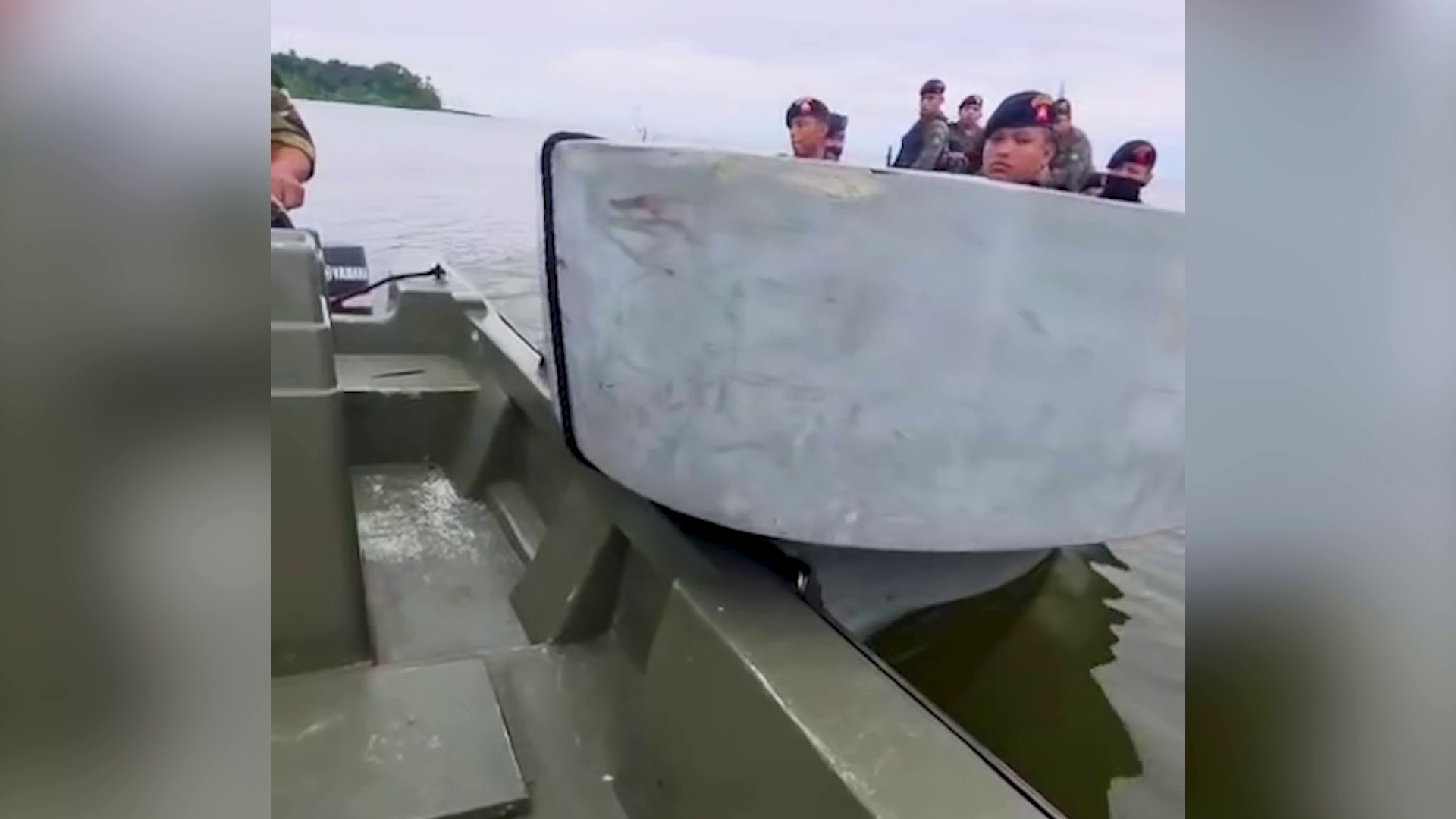
On November 11, 2026, newly released on-scene footage from the contested Sarstoon border region has reignited public and policy scrutiny over escalating, increasingly brazen confrontations between Belizean security forces and Guatemalan military personnel, as the long-running territorial dispute between the two Central American nations enters a more volatile phase. The latest wave of concern follows a verified recent incident where a Guatemalan Armed Forces patrol vessel allegedly rammed a craft operated by the Belize Defense Force near Sarstoon Island, an unprecedented act of physical aggression that has never been recorded in decades of prior border standoffs. Supplementary footage captures Belize Coast Guard crews holding their ground without retreat in close proximity to an armed Guatemalan military vessel, defying overt intimidation attempts from the foreign unit.
Wil Maheia, founder of grassroots advocacy group Belize Territorial Volunteers, emphasized that the frequency and severity of these cross-border incursions have risen sharply in recent months, marking a clear shift from prior low-level posturing. While he lauded the Coast Guard personnel for their unwavering commitment to defending national territory without backing down during the dangerous encounters, Maheia argued that the government’s current exclusive reliance on formal diplomatic protest notes and notifications to regional bodies is no longer a sufficient deterrent against Guatemalan forces’ growing boldness. The Belize Territorial Volunteers recently visited the Coast Guard’s local base to provide meals for frontline personnel as a public show of gratitude for their steadfast service. Maheia is now pushing for concrete policy adjustments, including the immediate revocation of fishing permits issued to Guatemalan operators active in the Sarstoon zone, which he alleges are often exploited to provide logistical support to Guatemalan military operations, as well as a full review of a 2022 Blue Economy Ministry regulation that grants border-residing Guatemalan fishermen eligibility to apply for Belizean commercial fishing licenses.
Senior government officials, however, have reaffirmed their commitment to a rule-of-law, peaceful resolution path. Belize’s Minister of Foreign Affairs Francis Fonseca acknowledged that Guatemalan military units have demonstrated markedly higher levels of unprovoked aggression over the past several months, but stressed that the administration’s formal, systematic approach of meticulously documenting every single border incident, issuing official diplomatic démarches to Guatemalan authorities, and submitting full incident reports to the Organization of American States (OAS) and Belize’s legal team at the International Court of Justice (ICJ) is a deliberate, critical strategy to strengthen the country’s territorial claim when the case is formally adjudicated by the global court. He noted that all engagements with Guatemalan counterparts follow long-established, mutually agreed due process protocols designed to prevent unnecessary escalation.
Francis Usher, Chief Executive Officer of Belize’s Ministry of National Security, further outlined the OAS’s formal mandate to mediate disputes and enforce the bilateral confidence-building measures that the regional body originally drafted to reduce cross-border tensions. Usher confirmed that the OAS retains full authority to intervene directly whenever either party takes actions that violate those agreed measures or undermine the long-term peaceful resolution of Guatemala’s unfounded territorial claim.
Even as the government stands by its diplomatic and international law-focused framework, mounting public pressure is pushing officials to demonstrate that their response strategy can adequately safeguard both the safety of frontline Belizean security personnel and the country’s long-held sovereign territorial interests as confrontations in the Sarstoon region continue to grow more perilous.