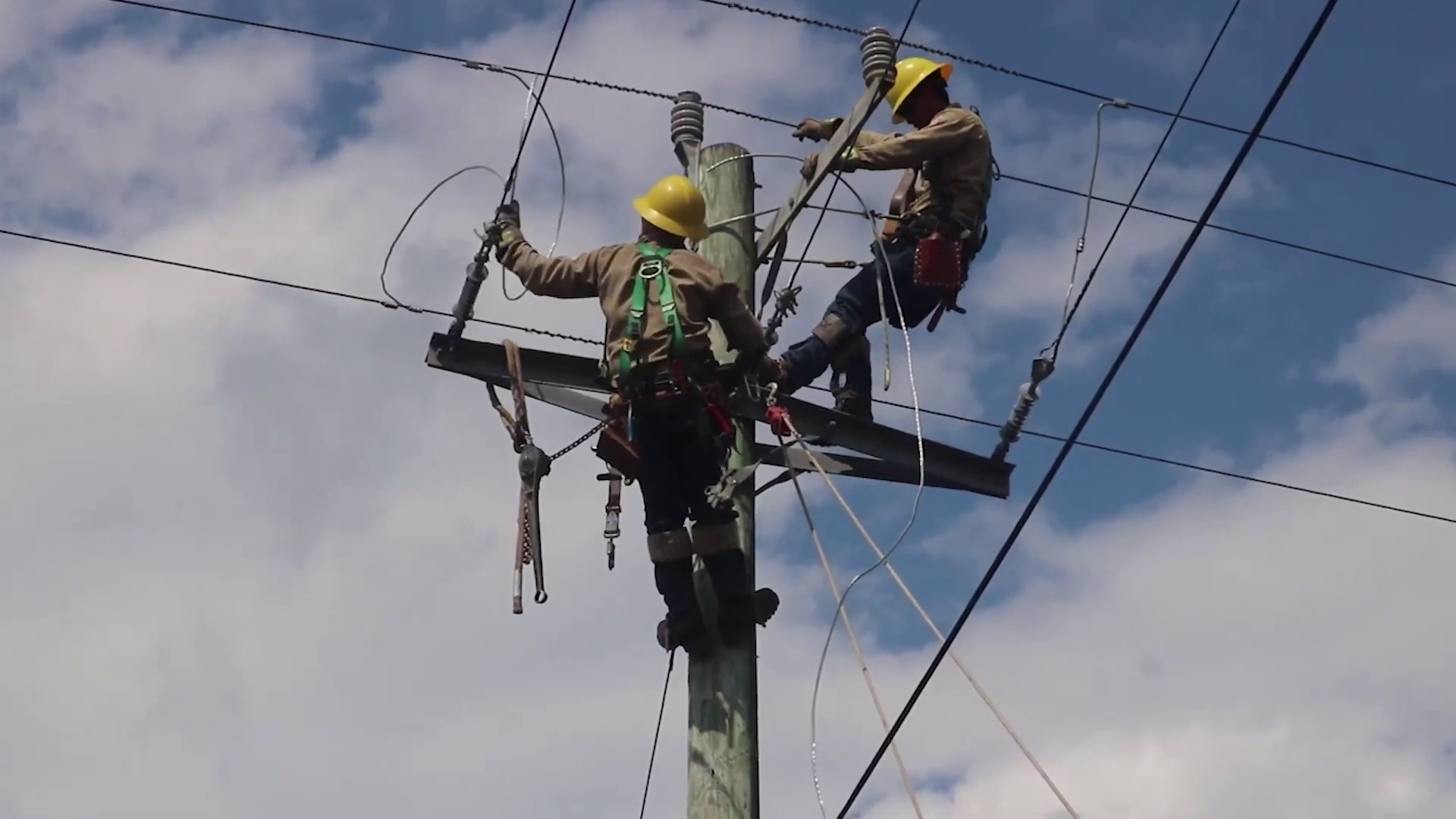
On November 11, 2026, Belizean government officials moved to address growing public concerns that a tightening U.S. dollar supply could threaten the national power utility’s ability to import electricity from Mexico, triggering widespread service disruptions. While national authorities have repeatedly reassured the public that the country’s longstanding fixed exchange rate peg to the U.S. dollar remains fully stable, surging demand for hard foreign currency has placed unprecedented strain on the local financial system in recent months.
Foreign Affairs Minister Francis Fonseca confirmed during a public press briefing that the state-owned Belize Electricity Limited (BEL) is receiving targeted coordinated support from the Central Bank of Belize and domestic commercial banks to secure the U.S. dollar reserves it requires to fulfill cross-border payment obligations for imported Mexican power. “This is our top critical priority right now,” Fonseca stated. “The central bank is mobilizing every available resource to deliver all the foreign exchange BEL needs to keep operations running uninterrupted.”
When pressed to clarify whether the U.S. dollar crunch was a system-wide national shortage or a challenge unique to the power utility, Fonseca explained that the broader dip in foreign currency availability stems from a prolonged global tourism downturn that has eroded one of Belize’s largest sources of U.S. dollar inflows. The challenge is disproportionately acute for BEL, however, due to the exceptionally high volume of monthly U.S. dollar payments the utility must process to sustain cross-border power imports.
This pressure on national foreign exchange reserves was first flagged publicly earlier by Minister of Economic Transformation Dr. Osmond Martinez, who noted that skyrocketing global fuel import costs have also forced the country to allocate far larger volumes of U.S. dollars for commodity purchases, further stretching limited hard currency supplies. The remarks came during a live evening television newscast, where presenters noted that any segments featuring Kriol language had been transcribed using a standardized official spelling system for public clarity.