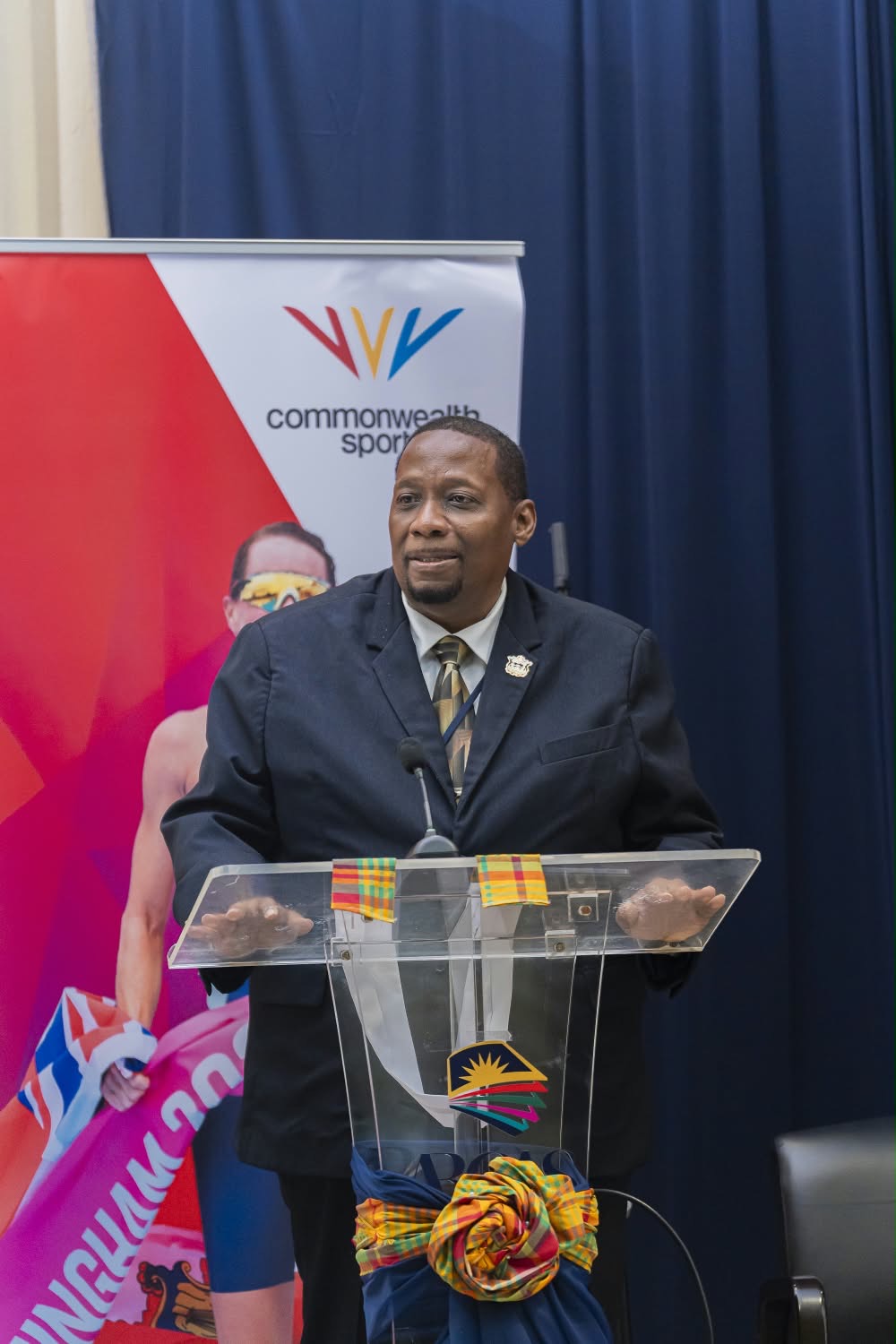
Delivering a keynote address titled “Way Forward Reflections” at the November 2 Commonwealth Sport Summit for Development and Peace, Ambassador Dr. Clarence E. Pilgrim of Antigua and Barbuda laid out a landmark proposal urging the 56-nation Commonwealth bloc to launch a formal, independent audit of centuries-old structural inequalities embedded in global sporting systems and their lingering modern-day repercussions.
Pilgrim’s call centers on addressing long-documented gaps that bar low-income and small island developing member states from equitable access to training resources, elite international competition slots, and the ability to retain top homegrown athletic talent and coaching expertise, rather than seeing that talent poached by wealthier nations. The proposed review would produce actionable, evidence-based policy recommendations to present to Commonwealth heads of government, designed to level the playing field for marginalized sporting communities across the bloc.
This proposal does not emerge in a vacuum: cross-sector conversations around reparatory justice in global sport have been steadily gaining traction over recent years, anchored by a July 2026 Glasgow co-hosted summit organized by the Centre for Sport and Human Rights, Commonwealth Sport, and the UN Human Rights Office. That gathering brought together athletes, policymakers, and human rights experts to unpack how the transatlantic slave trade and centuries of colonial extraction deliberately structured global sporting hierarchies, determining which populations get access to competitive pathways, leadership roles in international sporting bodies, and a share of the massive economic spoils of the global sports industry. The World Economic Forum currently values the global sports economy at $2.3 trillion annually, with projections that figure will swell to $3.7 trillion by 2030, a windfall that Pilgrim notes is disproportionately concentrated in high-income nations that benefited most from colonial exploitation.
Commonwealth Sport has already laid preliminary groundwork in this space, having framed redress for historical injustice as a core priority in its foundation’s development mandate, and formalized its commitments via a public Declaration on Reconciliation and Partnership with Indigenous Peoples to advance truth and reconciliation efforts for marginalized Indigenous sporting communities. Pilgrim’s proposal extends that existing framework to center the unique structural disadvantages faced by small developing island states that have historically been sidelined in global sporting governance.
Following the November 2 summit, Commonwealth Sport announced the release of a draft St. John’s Sports Pledge, a cross-cutting action framework centered on inclusion, shared economic prosperity, cultural heritage preservation, and cross-border international cooperation. The governing body confirmed on November 3 that the draft pledge will undergo months of collaborative revisions in consultation with all national Commonwealth Games Associations, before being submitted to national governments for formal endorsement via the Commonwealth Sport Coordination Forum. Notably, formal commitments to address sporting reparatory justice have not yet been integrated into the current draft of the pledge.
Pilgrim emphasized that his advocacy does not seek pre-determined findings of legal liability against any member states, but instead calls for good-faith, respectful constructive dialogue to ensure that historical sporting inequities are centered as a core priority during the ongoing refinement of the St. John’s Sports Pledge, to build a far more inclusive and fair sporting ecosystem that distributes the benefits of global sport equitably across all Commonwealth member nations.
Who Benefits From Commonwealth Sport? Pilgrim Puts Historical Inequality and Reparations on the Agenda