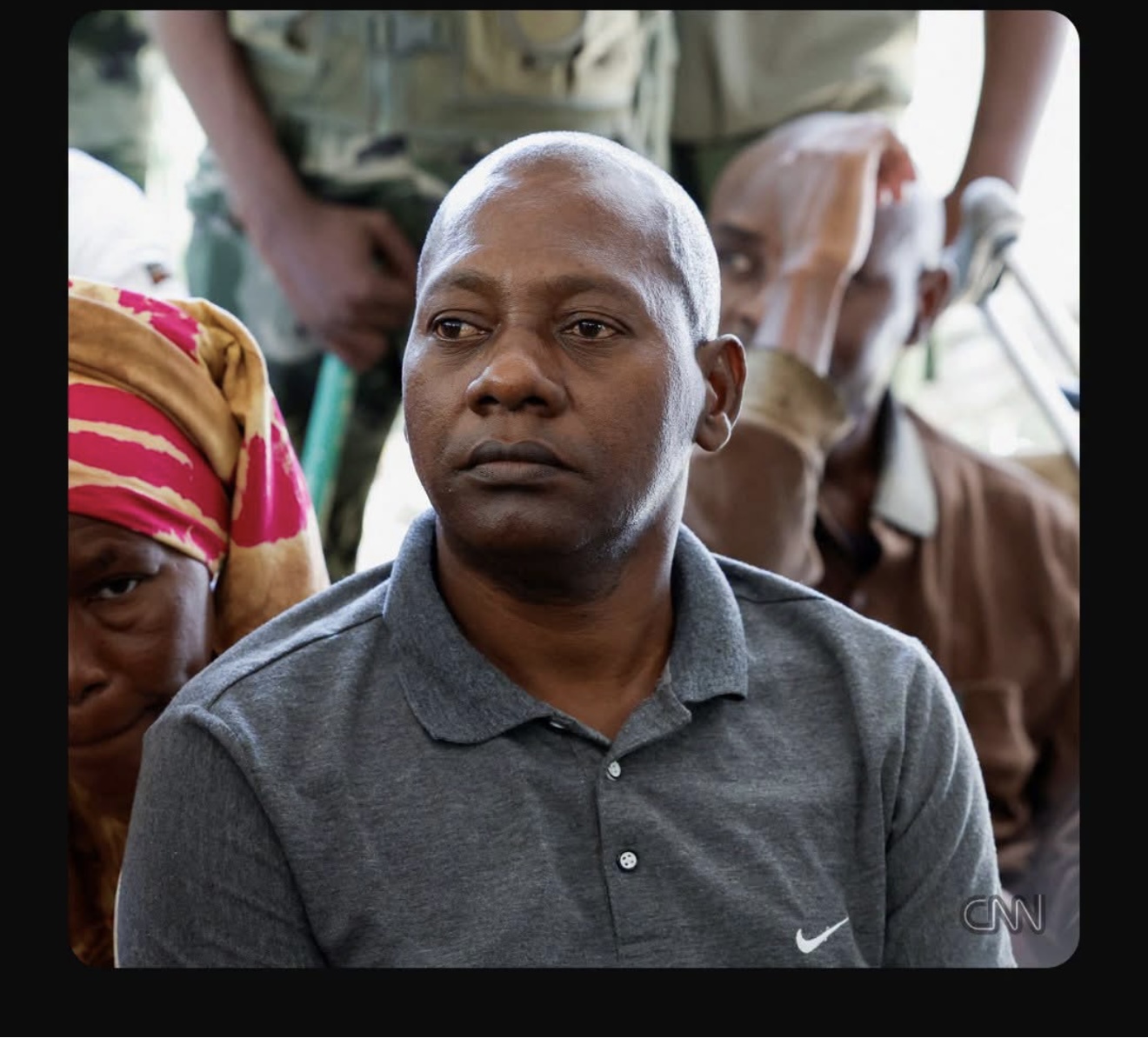
MOMBASA, Kenya – November 6, 2026 marked a landmark judicial ruling for one of East Africa’s most harrowing cult-linked atrocities, as High Court Justice Diana Kavedza handed Good News International Church founder Paul Mackenzie a cumulative 200-year prison sentence for the deliberate deaths of 190 children and one adult in the remote Shakahola Forest. The conviction follows a two-year investigation that unearthed a sprawling scheme of coercive indoctrination and systemic abuse that shocked Kenyan society and drew global condemnation.
Mackenzie, alongside 28 co-conspirators including his assistant pastor Smart Mwakalama and armed enforcers, was found guilty on 191 separate counts of murder for orchestrating a mass starvation campaign rooted in apocalyptic religious falsehoods. As laid out in court filings, Mackenzie spent years preaching that the world would end in August 2023, and that the only path to heaven required followers to deliberately fast to death, with a strict hierarchical order mandating children perish first, followed by women, younger adults, and finally men who would remain alive long enough to inter the deceased.
The cult leader lured hundreds of devotees to abandon their jobs, homes, and formal social ties to relocate to isolated forest encampments in Shakahola, where armed guards blocked all exit points, punished anyone caught attempting to eat or flee, and carried out direct violent killings for those who resisted the fast mandate. Forensic records confirm 183 of the 191 confirmed murder victims died of prolonged, intentional starvation, while eight young children were suffocated, strangled, or beaten to death when they refused to comply with fasting rules. A staggering 161 of the child victims were 9 years old or younger, representing an unprecedented scale of targeted child abuse tied to extremist religious teachings.
Justice Kavedza structured Mackenzie’s sentence as two consecutive 100-year terms: one for all murders perpetrated via coerced starvation, and a second for the premeditated direct killings of dissident followers. The prosecution had formally requested the death penalty for Mackenzie given the unprecedented scale of his crimes, but the court opted for the multi-century prison term in alignment with recent Kenyan judicial precedents reserving capital punishment for only the most narrowly defined aggravated cases. Co-defendant Smart Mwakalama was handed a 160-year prison sentence for his role in enforcing the cult’s deadly edicts and assisting with mass burials.
The first public hints of the horror in Shakahola emerged in 2023, when local residents tipped off law enforcement to unmarked shallow graves scattered across the 300-acre forest site. Exhumation efforts eventually recovered more than 400 total bodies, making the Shakahola massacre one of the deadliest cult-related disasters documented in the 21st century to date.
Mackenzie has repeatedly denied all charges against him, claiming all fast-related deaths were voluntary acts of religious piety, and his legal counsel has formally notified the court of plans to file an appeal against both his conviction and sentence. He also faces separate pending criminal trials on unrelated charges of terrorism, aggravated child abuse, and institutional torture tied to additional cult operations outside the Shakahola site. In the aftermath of the verdict, Kenyan human rights advocates and civil society groups have issued renewed public demands for sweeping regulatory reform to impose stricter state oversight of unregistered religious organizations, after independent audits revealed local law enforcement agencies ignored multiple public warnings about Mackenzie’s extremist activities dating back to 2021. The case has spurred national parliamentary hearings to draft new religious accountability legislation aimed at preventing similar atrocities in the future.
Kenyan cult leader sentenced to 200 years in prison for murders of 190 children