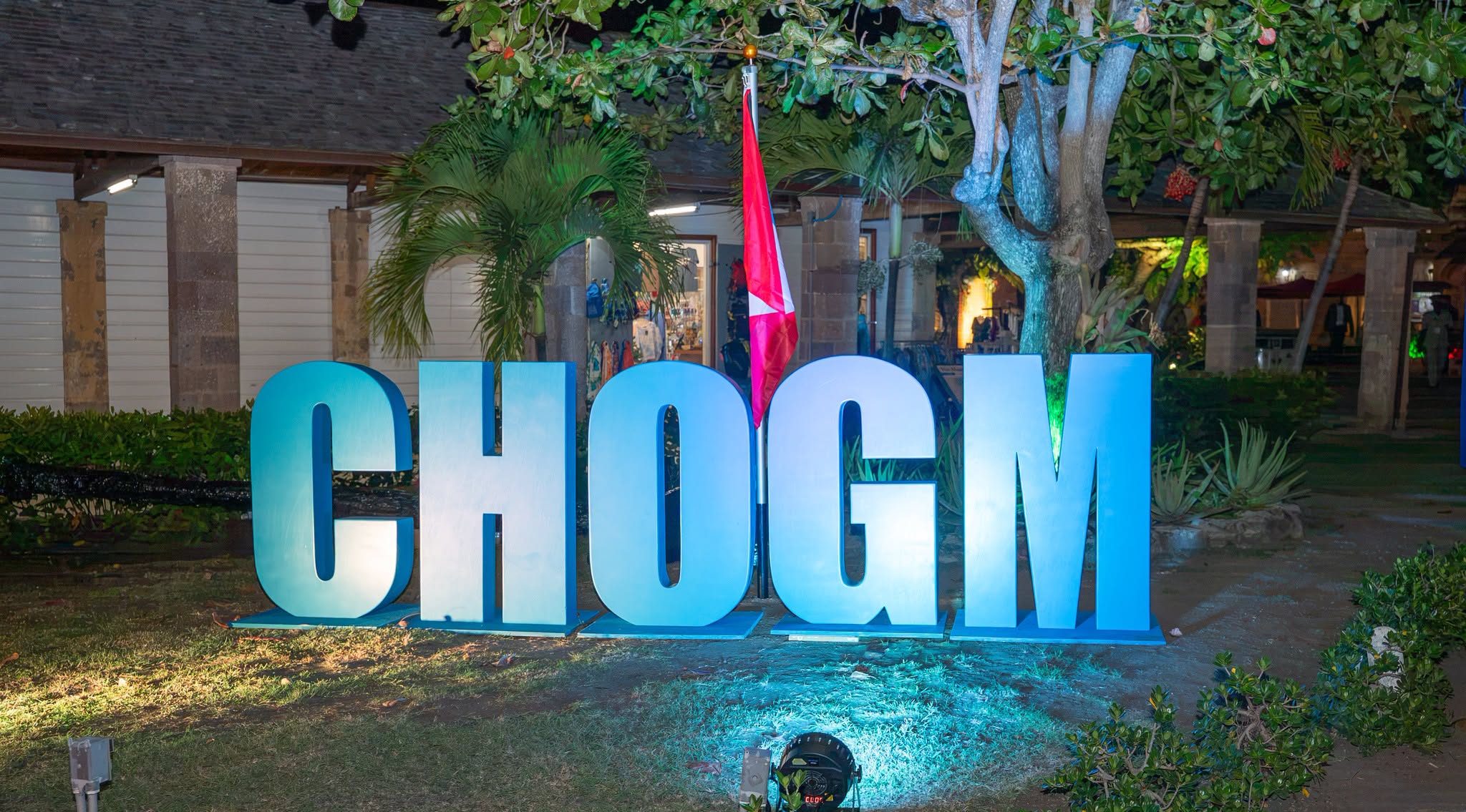
Delivering a keynote address at the official closing reception of the latest Commonwealth Heads of Government gathering held at the historic Nelson’s Dockyard on Wednesday, Antigua and Barbuda Prime Minister Gaston Browne laid out a bold, action-focused roadmap for the 56-nation bloc as his country takes over its rotational chairmanship. Browne opened his address by challenging longstanding norms of Commonwealth governance, arguing that the intergovernmental organization’s global credibility should no longer be measured by the volume of high-sounding communiqués and joint statements released at summits, but by the concrete, measurable outcomes it delivers for the 2.5 billion people who live across its member states. He framed the conclusion of the recent summit not as a ceremonial endpoint, but as the official starting line for targeted, collaborative work to turn collective commitments into tangible improvements for communities across the Commonwealth. “Our collective task now is to move with deliberate speed from decades of rhetorical dialogue to consistent, accountable delivery for every citizen we represent,” Browne emphasized. The prime minister called on national governments, multilateral institutions, and international development partners to honor every pledge they made during the summit deliberations, stressing that all formal partnerships across the Commonwealth must be rooted in clearly defined, shared goals that produce tangible, on-the-ground benefits rather than performative collaboration. Browne highlighted four interconnected, existential challenges that no single Commonwealth nation can address in isolation: the escalating impacts of anthropogenic climate change, unsustainable debt burdens that disproportionately burden small island developing states, gaps in cross-border economic resilience, and the rapid, unregulated advancement of artificial intelligence that risks widening global equity gaps. He also issued a direct appeal to global lenders and international investors to fundamentally reassess how small sovereign states are categorized, arguing that the inherent structural vulnerabilities of small island and low-income Commonwealth nations are routinely mislabeled as a lack of economic growth potential, locking them out of affordable financing for critical public and climate infrastructure. As Antigua and Barbuda steps into its two-year chairmanship role, Browne confirmed his administration will work in close, coordinated partnership with Commonwealth Secretary-General Shirley Botchwey and the entire Commonwealth Secretariat to restructure the bloc’s operating priorities around implementation, making the institution far more agile and responsive to the distinct, unmet needs of its diverse membership. A core pillar of the chairmanship’s agenda, he added, will be centering young people across the Commonwealth, ensuring the 1.4 billion people under the age of 30 in member states experience the bloc not as a distant diplomatic forum, but as a tangible source of opportunity, innovative cross-border collaboration, and collective hope for a more equitable future. “When future generations look back on this summit, we do not want them to remember it only for the speeches and conversations that took place here this week,” Browne concluded. “We want it to be remembered for the transformative, inclusive progress that we deliver in the months and years that follow.”
PM Gaston Browne says Commonwealth must be judged by results, not declarations