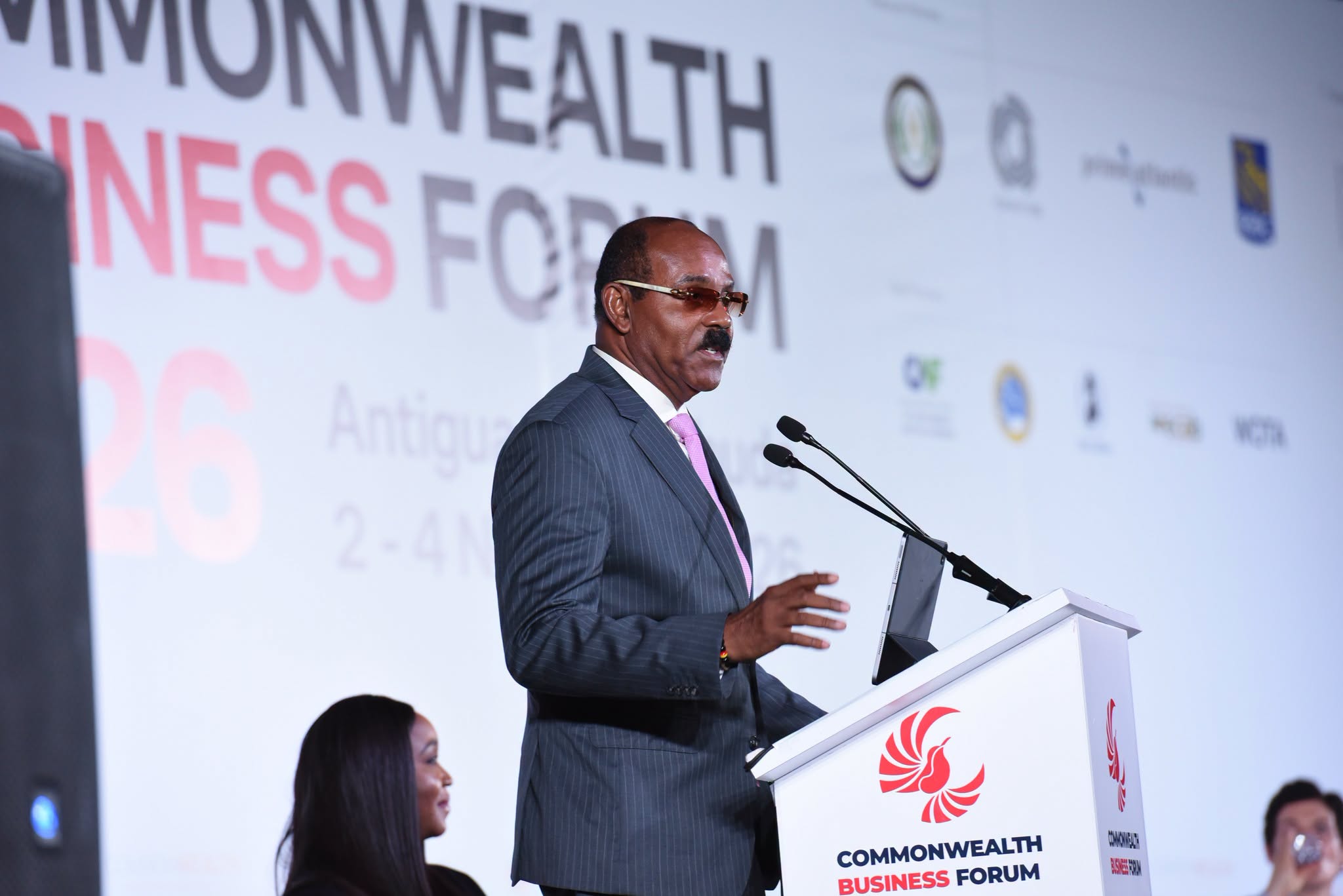
Antigua and Barbuda’s Prime Minister Gaston Browne has announced that the twin-island Caribbean nation is actively scouting low-cost import opportunities across Commonwealth member states, with the United Kingdom and Canada flagged as priority potential suppliers, in a targeted policy push to ease cost-of-living pressures for local residents and narrow national poverty gaps.
Browne outlined that cross-border trade liberalization stands as one of the most actionable, high-impact pathways to lift household purchasing power and raise overall quality of life for Antiguans and Barbudans. Preliminary engagements with a UK-based trading firm have already yielded early data indicating that sourced goods could carry price tags roughly 20% lower than equivalent products procured through the country’s longstanding traditional import supply chains. At this stage, the prime minister has not released a full, granular inventory of the specific product categories being targeted for these new discounted import routes, nor has he shared a firm timeline for when reduced price points will appear on local retail shelves.
Alongside ongoing UK outreach, Browne confirmed that Canada is also under active evaluation as a viable source of competitively priced imported goods. A draft bilateral cooperation framework has already been formally submitted to Canadian authorities for review, with parallel discussions underway covering cross-border collaboration in education and other mutually beneficial policy domains, in addition to trade ties.
This targeted local initiative from Antigua and Barbuda aligns with a broader, organization-wide push by the 56-nation Commonwealth bloc to unlock untapped intra-member trade potential. Commonwealth Secretary-General Shirley Botchwey recently unveiled a dedicated digital trade portal designed to streamline connections between governments, small and medium-sized enterprises, and verified suppliers across all member states. The platform launched with initial participation from 15 countries that had completed pre-launch onboarding to showcase their domestic goods and service offerings, with a formal roadmap to bring all 56 Commonwealth nations onto the system within a 90-day window.
Botchwey emphasized that the portal is designed to act as the first point of reference for any Commonwealth member seeking to source specific products or services, eliminating the inefficiencies that have long complicated cross-border procurement between bloc nations. Registered government and business users will be able to directly identify and reach out to relevant suppliers, or request tailored support and facilitation from the Commonwealth Secretariat to navigate logistics, regulatory hurdles, or contractual negotiations.
Looking ahead, Botchwey confirmed that a high-level summit bringing together Commonwealth trade and finance ministers, national investment agency representatives, and top private sector business leaders is scheduled for next year, where delegates will conduct a full audit of persistent intra-bloc trade barriers, and draft actionable policy measures to reduce or eliminate those frictions entirely. The Commonwealth has set a concrete, ambitious collective target of growing total annual intra-member trade to US$2 trillion by the end of the decade. For Antigua and Barbuda, Browne noted that all of these multilateral trade frameworks will be prioritized to translate abstract collective goals into tangible, immediate on-the-ground gains for local households, from lower grocery and consumer goods prices to broad, sustained improvements in national living standards.
PM Gaston Browne looks to Commonwealth suppliers to help lower living costs