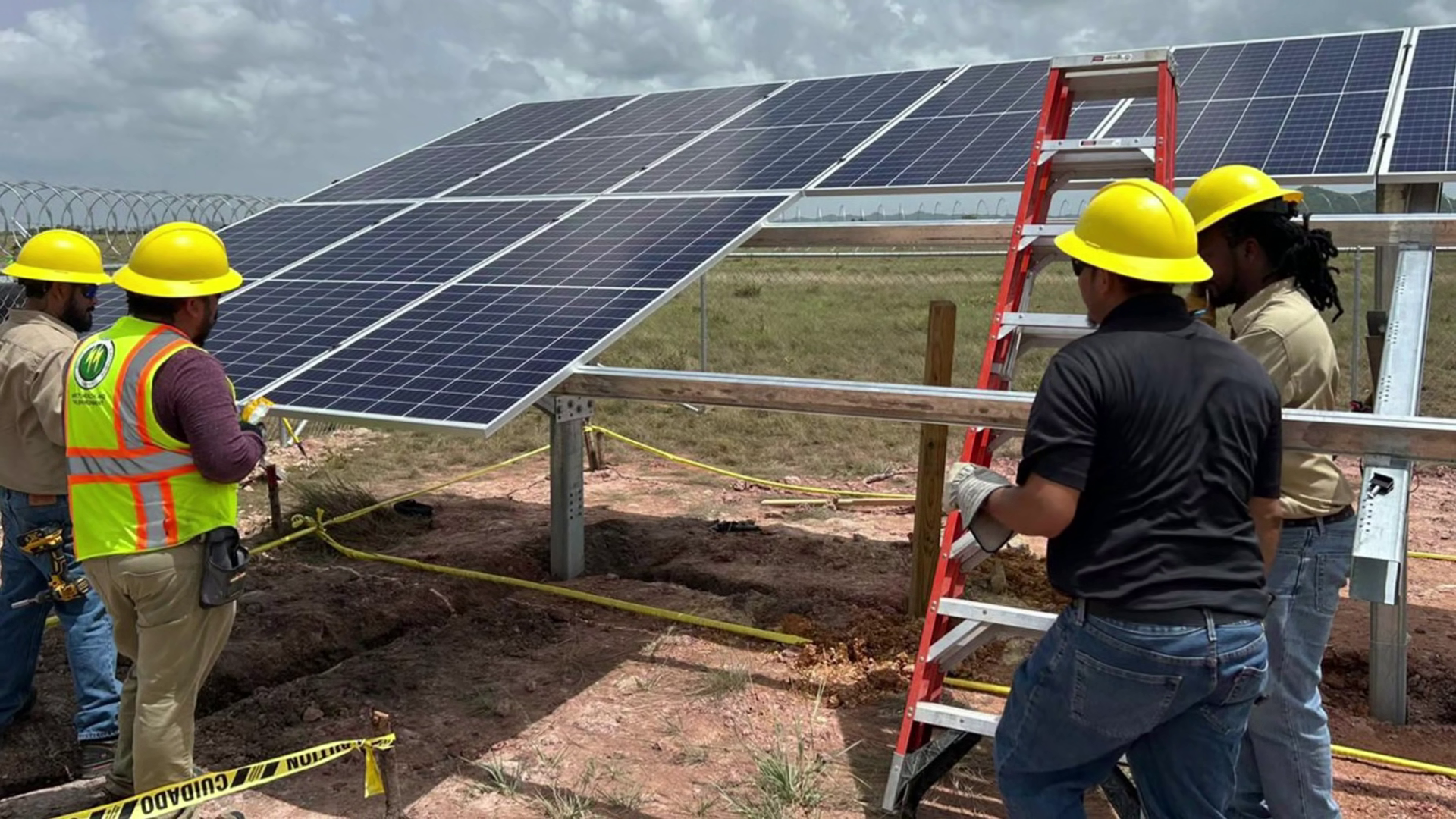
Against a backdrop of surging corporate adoption of rooftop solar systems to slash operational electricity expenses and build resilience against frequent unplanned power outages, local business operators in Belize are calling for a revision of the current 13-cent per kilowatt-hour (kWh) feed-in tariff offered by the state-owned Belize Electricity Limited (BEL) for excess solar energy fed back into the national grid. The demand was raised publicly during a Tuesday evening Energy Business Mixer event, where a participating industry representative argued that a more competitive compensation rate would unlock far greater private sector investment in distributed solar infrastructure, which in turn would reduce peak strain on the national power grid and lower overall system operational costs for all users. The long-standing 13-cent per kWh sell-back rate was initially set by the Public Utilities Commission (PUC), the national energy regulator, pegged directly to the generation cost of Hydro Maya, the country’s lowest-cost large-scale renewable energy facility, according to senior BEL leadership. During the same public event, Sean Fuller, BEL’s General Manager for Finance and Business Support, confirmed that the upcoming independent rate review is widely expected to result in a modest upward adjustment to the existing tariff, as regulators and utility operators recognize growing stakeholder feedback that the current rate no longer reflects the full value of distributed solar generation. Karique Marin, BEL’s General Manager for Energy Solutions, further outlined that a tripartite working group composed of representatives from BEL, the PUC, and the national Ministry of Energy was formally established just one week prior to the mixer event, following a separate industry panel focused on distributed generation policy. The cross-agency task force will oversee a comprehensive independent study to quantify the full range of system cost savings created by customer-owned solar installations, including deferred investments in new peaker power plants, reduced grid transmission and distribution upgrade costs, and lower wholesale fuel purchase expenses, to set a fair and sustainable new feed-in tariff. Austin Castro, BEL’s Manager of Information Technology and Cybersecurity, emphasized that the utility fully supports expanded corporate solar adoption and recognizes the financial pressure on business owners to recoup their upfront solar installation costs, but noted that any substantial increase to the sell-back rate would have to be carefully calibrated to avoid passing disproportionate cost burdens onto non-solar households and small businesses that remain connected to the main grid. The ongoing policy review marks a key turning point for Belize’s clean energy transition, as policymakers work to strike a delicate balance between incentivizing private renewable investment and preserving affordable, equitable electricity access for all consumer segments.